What is US stock market prediction for Monday, and will Dow Jones, S&P 500 and Nasdaq stay in red or turn green? Investors enter the new week after markets ended with mixed results but strong weekly gains. Traders are watching inflation numbers, oil price movement, consumer sentiment, and global negotiations. Earnings season is about to begin and may shift focus toward company performance. Recent trading patterns show markets often move higher early in the week, but risks remain. Many investors are waiting for fresh signals before making decisions. The first trading day of the week may set market direction as global events continue to influence Wall Street.
What is US stock market prediction for Monday, and will Dow Jones, S&P 500 and Nasdaq stay in red or turn green?
Market signals suggest a cautious start to the week. Recent trading patterns show stocks often rise early in the week after periods of uncertainty. Weekly gains, strong chip stock performance, and the start of earnings season may support a positive open. However, inflation pressure, oil price movement, and geopolitical negotiations continue to create risk. Investors will react to weekend developments and prepare for bank earnings and fresh economic data. The direction of the first trading session may depend on global news flow and investor confidence returning after the long weekend.
Market closes mixed after weekly gains
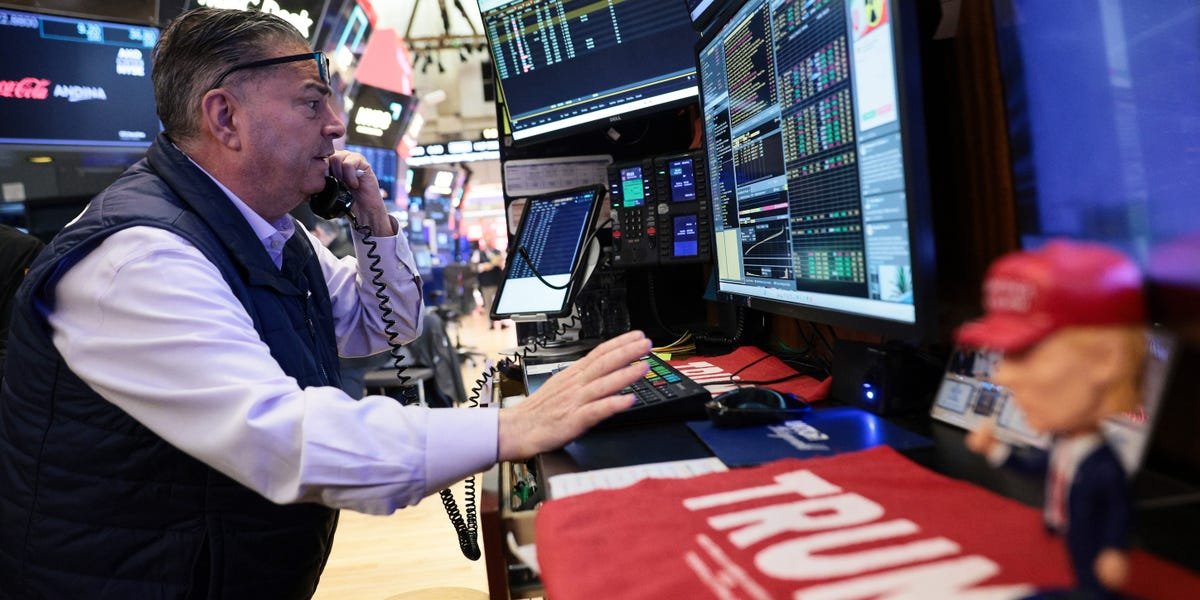
Wall Street ended the week with mixed results. The Dow Jones fell 0.56%. The S&P 500 slipped 0.11%. The Nasdaq gained 0.35%. Despite this mixed close, all three indexes recorded their biggest weekly gains since November.
Investors paused before the weekend as they tracked negotiations in the Middle East. Concerns increased after threats from Donald Trump toward Iran. Talks later moved toward a truce. This shift supported stocks earlier in the week.
Portfolio manager Jed Ellerbroek from Argent Capital Management said traders hesitate before long weekends when major geopolitical updates are expected. Markets remain closed for over two days, which increases uncertainty.
Middle East tensions shape Wall Street prediction
Geopolitical risk remains a major factor in Wall Street prediction. The fragile truce faced challenges. Benjamin Netanyahu signaled interest in talks with Lebanon. Iran kept the Strait of Hormuz closed while demanding a ceasefire and asset release. Oil price pressure from the conflict influenced inflation. Energy costs pushed consumer prices higher. This remains a key factor in the US stock market prediction for Monday.
Analysts insights and market outlook
The Consumer Price Index showed inflation rose 3.3% in March. This matched expectations. Gasoline prices surged 21.2% and led the increase. Core inflation, which excludes food and energy, came in lower than expected. Still, energy prices are expected to impact inflation in the coming months. San Francisco Fed President Mary Daly said oil shocks may delay the return of inflation to the 2% target. Consumer sentiment dropped sharply. A survey from the University of Michigan showed confidence fell to a record low. Short-term expectations also hit their lowest level since 1980.
US stocks to watch out for next week
Chipmakers led gains and became key US stocks to watch.
Broadcom rose 4.7%.
Nvidia climbed 2.6%.
Taiwan Semiconductor Manufacturing gained after beating revenue forecasts. Artificial intelligence stocks also moved higher. CoreWeave surged after a deal with Anthropic. Financial stocks lagged as investors waited for major bank earnings. Earnings season is expected to show S&P 500 profit growth of 13.9%. Tim Ghriskey from Ingalls & Snyder said earnings could shift focus back to company fundamentals.
Market breadth and trading activity
Declining stocks outnumbered advancing stocks on both major exchanges.
NYSE new highs: 165. New lows: 83.
Nasdaq new highs: 110. New lows: 144.
Trading volume was 15.83 billion shares, below the 20-day average of 19.18 billion shares. Lower volume reflects investor caution.
Wall Street prediction for Monday
Recent trading patterns show markets performing better early in the week. According to analysts insights and market outlook, markets often rise Monday through Wednesday and weaken later in the week. Investors expect strong news flow over weekends due to global negotiations. This pattern may support markets at the start of the week.
What should investors do now?
Investors face a mix of signals. Weekly gains show market strength. Inflation and geopolitics create uncertainty. Earnings season may shift focus to company performance. Analysts suggest watching inflation updates, oil prices, earnings reports, and geopolitical news. These factors will shape the next market move.
FAQs
Q1: Will US stock markets rise or fall at the start of the week after mixed closing and weekly gains?
Markets may open with cautious optimism due to earnings season and strong chip stocks, but inflation pressure and geopolitical risks could limit major gains.
Q2: What factors will influence Wall Street at the start of the new trading week?
Investors will track inflation data, oil prices, global negotiations, and upcoming bank earnings, as these factors can drive market direction and investor sentiment.