Why are US stock market futures down again, and will Dow, S&P 500 and Nasdaq stay in red or turn green again? US stock market futures declined on Tuesday after a strong rally in the previous trading session. Dow, S&P 500, and Nasdaq futures moved lower as investors reacted to renewed uncertainty linked to Middle East tensions and unclear diplomatic signals between the United States and Iran. Market sentiment weakened after conflicting reports about possible talks and military risks in the region. Oil prices remained elevated due to supply concerns, adding pressure on inflation expectations and interest rate outlook. Traders also adjusted positions ahead of key economic data and Federal Reserve commentary, keeping volatility high across global equity markets.
Why are US stock market futures down again, and will Dow, S&P 500 and Nasdaq stay in red or turn green again?
US stock market futures declined again as investors reacted to renewed uncertainty in global markets. Dow, S&P 500, and Nasdaq futures moved lower after mixed signals on Middle East tensions and unclear diplomatic developments. Sentiment weakened after earlier gains linked to hopes of easing geopolitical risks. Rising oil prices added pressure on inflation expectations, while interest rate outlook remained uncertain. Whether the Dow, S&P 500, and Nasdaq remain in red or recover depends on upcoming geopolitical updates, Federal Reserve signals, and key US economic data releases that may guide investor direction in the short term.
Wall Street futures fall explained
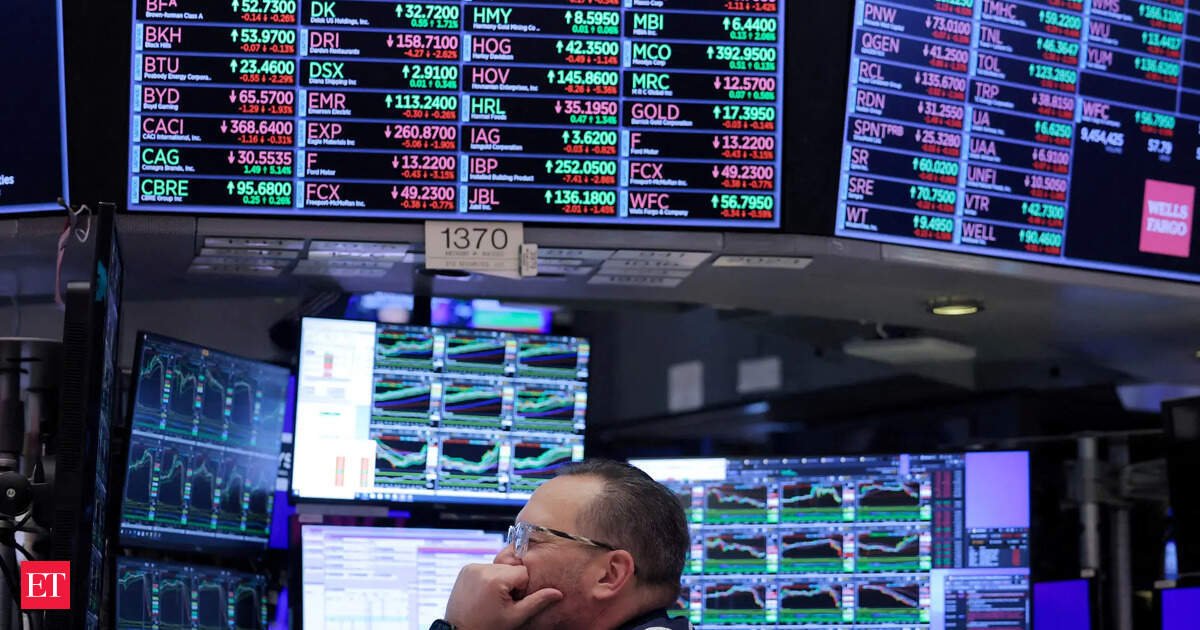
US stock market futures moved lower on Tuesday after a strong rally in the previous session. Dow futures fell 0.40%, S&P 500 futures dropped 0.38%, and Nasdaq 100 futures slipped 0.34%. The decline came as investors reassessed global risks and interest rate expectations.
Middle East tensions impact market sentiment
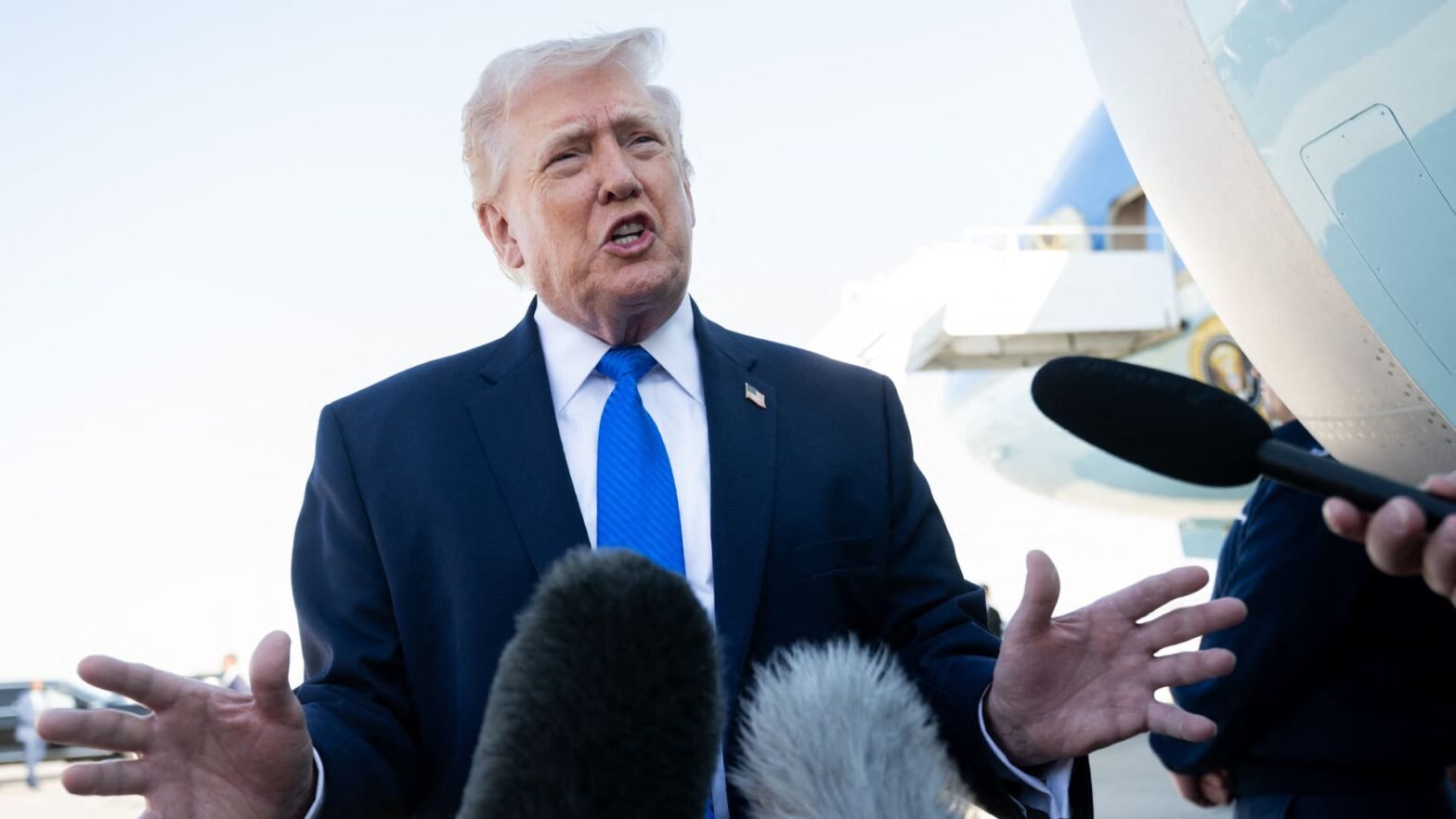
Market sentiment weakened due to renewed uncertainty linked to the Middle East. Reports indicated that US President Donald Trump delayed a potential military strike on Iran’s power infrastructure. The delay followed what was described as ongoing discussions with Iranian officials.
However, conflicting statements created confusion in the market. Iranian officials denied that any negotiations with the United States had taken place. This contradiction reduced investor confidence. Israeli officials also stated that while a deal remains a possibility, success is uncertain. These mixed signals increased caution in equity markets.
Why are US stock market futures down again?
US stock futures declined mainly due to three factors:
- Uncertainty over Iran-related diplomatic talks
- Risk of escalation in Middle East tensions
- Market reaction after a strong previous-day rally
The earlier rally was driven by optimism after reports of possible negotiations. However, that optimism faded as details remained unclear. Analysts said markets reversed part of the “risk-on” sentiment as doubts increased.
Deutsche Bank analysts noted that the market reaction changed after Iranian officials denied any talks, which led to reduced confidence in earlier gains.
Will Dow, S&P 500 and Nasdaq stay in red or turn green again?
The direction of Dow, S&P 500, and Nasdaq depends on three key factors:
- Progress in US-Iran discussions
- Oil price movement
- Federal Reserve policy signals
Oil prices have risen due to geopolitical risks. Higher oil prices increase inflation concerns. This reduces expectations for interest rate cuts.
The US Federal Reserve recently indicated a cautious stance on rate cuts, projecting limited easing ahead. Market pricing has shifted, with fewer expectations of rate cuts in 2026 compared with earlier forecasts.
If tensions ease or confirmed talks emerge, markets may recover. If uncertainty continues, pressure on indices may remain.
Oil prices and inflation concerns
Oil prices have increased due to supply risk concerns from the Middle East. Higher oil prices often lead to inflation pressure. This affects central bank decisions on interest rates.
Market expectations for rate cuts have already been reduced. Earlier projections of multiple cuts have been scaled back. Traders are now adjusting positions based on changing geopolitical developments.
Recent performance of US indexes
All three major US indexes ended last week with losses. The Nasdaq recorded its largest weekly decline since early February. The Dow and S&P 500 also posted their fourth consecutive weekly drop.
This shows that markets have been under pressure for several weeks due to global uncertainty and monetary policy concerns.
Stocks to watch out for
Several individual stocks showed movement in premarket trading:
- Jefferies rose 8.2% after reports of possible takeover interest linked to Japan’s Sumitomo Mitsui Financial Group
- Battalion Oil declined about 5% after reporting lower quarterly revenue
These moves show that corporate developments continue to influence stock-specific performance even during broader market weakness.
Analysts insights and market outlook
Analysts said the market is reacting strongly to headlines related to geopolitics. Sentiment is shifting quickly based on new information.
According to market research commentary, investors are focusing on whether diplomatic signals are supported by confirmed actions. Without confirmation, markets remain sensitive to reversals.
Attention is also on upcoming economic data, including the S&P Global business activity report and comments from Federal Reserve officials. These will influence expectations on growth and interest rates.
What should investors do now?
Market conditions remain linked to external risks and policy expectations. Investors are watching:
- Geopolitical developments
- Oil price direction
- US economic data releases
- Federal Reserve commentary
Short-term volatility may continue if uncertainty remains high. Market direction depends on whether diplomatic signals turn into confirmed agreements.
FAQs
Q1. Why are US stock market futures down again?
US stock futures are down due to Middle East tensions, unclear Iran talks, rising oil prices, and reduced expectations for Federal Reserve rate cuts affecting investor sentiment.
Q2. Will Dow, S&P 500 and Nasdaq recover soon?
Recovery depends on confirmed diplomatic progress, stable oil prices, and Federal Reserve signals. If uncertainty reduces, indices may turn positive again in coming sessions.



![i’m-nervous,-too!-[part-2]](https://10xwealthreport.com/wp-content/uploads/2026/03/177042-im-nervous-too-part-2-1568x784.jpg)