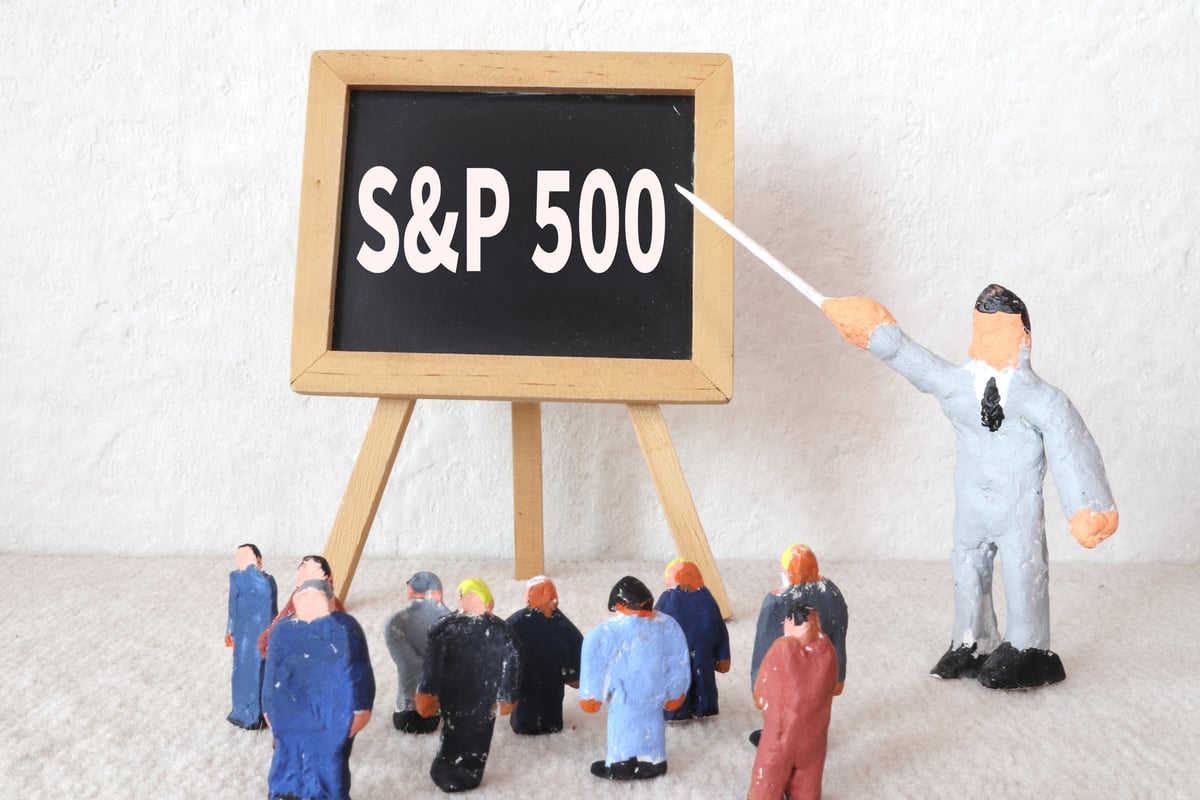
Why are US stock market futures up today, and will Dow, S&P 500 and Nasdaq stay in green or turn red again? Global investors are closely tracking US stock futures after markets showed recovery last week. Futures moved higher in early trading as investors assessed ceasefire discussions between the United States and Iran and monitored oil price movement. The conflict has influenced global markets, inflation expectations, and interest rate outlook. Recent economic data, including strong job growth, has also shaped investor sentiment. This week, markets are focused on inflation data and central bank policy signals, which may decide whether the Dow, S&P 500 and Nasdaq continue gains or face renewed pressure.
Why are US stock market futures up today, and will Dow, S&P 500 and Nasdaq stay in green or turn red again?
US stock index futures moved higher after the main indexes posted their biggest weekly gains in four months. Investors reacted to signals of a possible pause in Middle East conflict and improving economic data. Dow futures rose 0.16 percent. S&P 500 futures gained 0.37 percent. Nasdaq futures climbed 0.66 percent. These moves came after markets showed recovery last week following heavy declines in March.
Wall Street futures rise
Wall Street futures rise as investors react to ceasefire discussions, oil price movement, and recent economic data. Dow futures gained 0.16 percent, S&P 500 futures rose 0.37 percent, and Nasdaq futures climbed 0.66 percent in early trading. Investors responded to reports of a possible 45-day ceasefire and lower oil prices. Strong US job growth data also supported market sentiment while traders waited for inflation numbers and interest rate signals.
Why are US stock market futures up today?
Futures rose as investors assessed a framework for possible ceasefire talks between the United States and Iran. Reports indicated that the United States, Iran, and regional mediators are discussing a potential 45-day ceasefire.
The conflict has entered its second month. It affected global markets and pushed energy prices higher. Any signal of reduced tensions gives relief to investors. A ceasefire could reduce supply risks and ease inflation fears.
Oil prices moved slightly lower after the news. Energy stocks dropped in premarket trading. Exxon Mobil declined 1.3 percent. Chevron fell 1 percent. Occidental Petroleum dropped 1.7 percent. Lower oil prices often support broader stock markets because they reduce inflation pressure.
Will Dow, S&P 500 and Nasdaq stay in green or turn red again?
Markets remain uncertain despite early gains. Last week, Wall Street recorded its first weekly gains in six weeks. Investors see signs of recovery but remain cautious. The S&P 500 and Nasdaq recorded their biggest monthly losses since 2022 in March. The Dow, Nasdaq, and Russell 2000 entered correction territory. Each index dropped more than 10 percent from record highs.
Thin trading volumes may also affect market direction. Many markets in Europe and Asia remained closed for holidays. Lower trading activity can increase volatility. Investors will closely watch inflation data this week. Rising energy prices from the conflict may impact inflation numbers. Strong inflation may delay interest rate cuts and pressure stocks.
US stocks to watch out for
Some stocks moved sharply in premarket trading. Soleno Therapeutics shares surged more than 30 percent. Reports stated that Neurocrine Biosciences is nearing a deal to acquire the company for over 2.5 billion dollars. This news drove strong interest in biotech stocks. Energy stocks moved lower due to falling oil prices. Investors remain focused on sectors sensitive to energy costs, interest rates, and global tensions.
Analysts insights and market outlook
Analysts say markets are balancing economic strength with geopolitical risks. Recent job data showed strong growth. Nonfarm payrolls rose more than expected in March. The increase marked the largest rise in 15 months. Strong job growth supports consumer spending and economic stability.
However, interest rate expectations changed. Money markets no longer expect rate cuts this year. Earlier forecasts expected two cuts before the conflict began. Higher interest rates can pressure stock valuations. Investors are monitoring inflation, oil prices, and global tensions together. These factors will shape the direction of stocks in the coming weeks.
What should investors do now?
Investors are watching key data and global developments. Inflation reports will show whether energy costs are spreading into the wider economy. Ceasefire talks may affect oil prices and market sentiment. Economic strength supports stocks, but interest rate uncertainty remains. Many investors prefer cautious positioning. Market direction may remain uncertain until inflation trends and geopolitical risks become clearer.
FAQs
Q1: What factors are driving US stock market futures higher today?
Ceasefire talks in the Middle East, easing oil prices, and stronger-than-expected US job growth data are boosting investor sentiment and supporting early gains in Dow, S&P 500, and Nasdaq futures.
Q2: What economic data could impact Wall Street this week?
Investors are watching US inflation reports and Federal Reserve rate expectations. These updates will show whether rising energy costs are affecting the economy and could influence market direction in coming sessions.



![i’m-nervous,-too!-[part-2]](https://10xwealthreport.com/wp-content/uploads/2026/03/177042-im-nervous-too-part-2-1568x784.jpg)