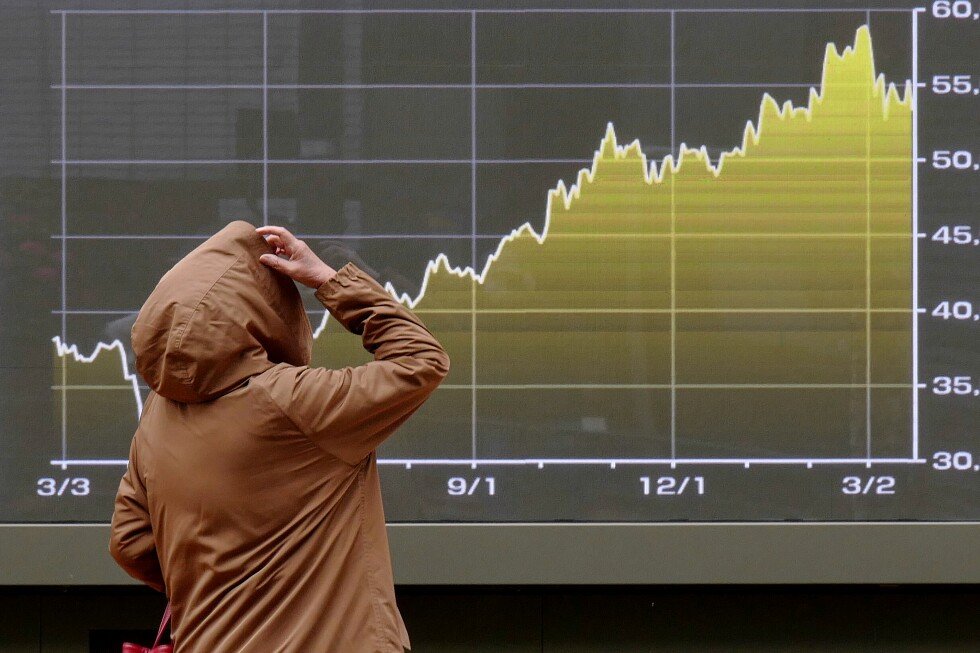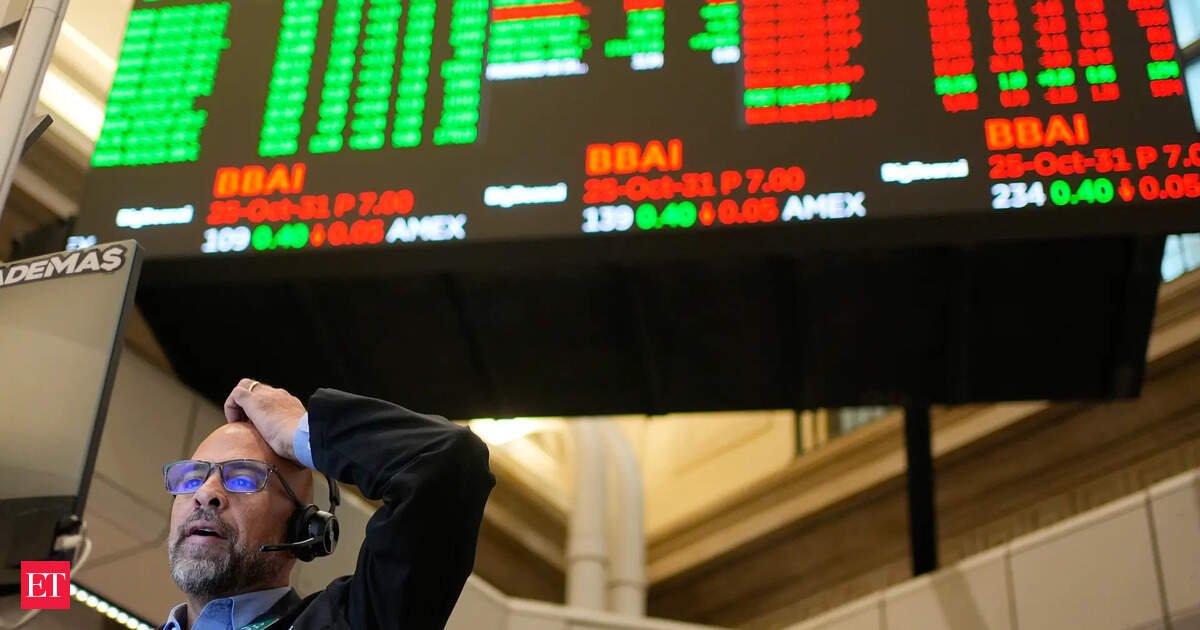
Why are US stock market indexes futures down today, and will Dow Jones, S&P 500 and Nasdaq stay in red or turn green again? U.S. stock futures declined on March 23 as global tensions increased and oil prices crossed $100 per barrel. Investors reacted to reports linked to Iran and possible risks to energy infrastructure. This raised concerns about supply disruption and inflation. Market participants reduced expectations of interest rate cuts by the Federal Reserve. Futures for Dow Jones, S&P 500 and Nasdaq moved lower in early trading. Investors are now focusing on inflation data, central bank signals, and global developments to assess whether markets will remain in red or turn green again.
Why are US stock market indexes futures down today, and will Dow Jones, S&P 500 and Nasdaq stay in red or turn green again?
Futures dropped as tensions in the Middle East increased. Iran warned of possible attacks on power infrastructure linked to the United States and Israel. This raised concerns about supply disruption in energy markets.
Oil prices moved higher. U.S. crude futures rose about 3% and crossed $100 per barrel. Higher oil prices increase inflation pressure. This creates challenges for central banks. Investors now expect fewer interest rate cuts.
Futures data showed that Dow futures fell 0.50%, S&P 500 futures declined 0.63%, and Nasdaq futures dropped 0.72%. These moves reflect risk aversion among investors.
Wall Street futures fall explained
Wall Street futures declined after rising geopolitical tensions in the Middle East and concerns over energy supply risks. Reports of possible attacks on energy infrastructure increased uncertainty in global markets. Oil prices moved above $100 per barrel, which added inflation pressure and reduced expectations of Federal Reserve interest rate cuts. Dow futures fell 0.50%, S&P 500 futures dropped 0.63%, and Nasdaq futures declined 0.72%. Investors reacted by reducing risk exposure, leading to broad selling in equity futures across major US indexes.
Impact of oil prices and Federal Reserve expectations
Oil price rise has changed the outlook for interest rates. Higher energy costs can increase inflation. This reduces the chance of rate cuts.
According to CME FedWatch data, investors earlier expected two rate cuts in 2025. Now markets do not expect any rate cuts this year. There is also more than 50% probability of a rate hike later in the year.
The Federal Reserve also signaled a cautious stance. It projected higher inflation and only one rate cut in 2026. This added pressure on equities.
Ed Yardeni said that if oil and gas prices remain high, central banks may need to consider rate hikes instead of cuts. If the conflict ends early, policy pressure may reduce.
Market volatility and index performance
Market volatility increased during the session. The CBOE Volatility Index moved to 30.15, its highest level in two weeks. This shows rising uncertainty.
Wall Street indexes have already declined for four straight weeks. The Nasdaq recorded its biggest weekly fall since early February.
The Russell 2000 index also remained under pressure. It closed more than 10% below its January 22 record level, confirming a correction phase. Futures linked to this index declined 1.2%.
Stocks to watch out for
Several stocks showed movement in premarket trading. Energy stocks gained due to rising oil prices. Exxon Mobil and Chevron rose about 1% each. Occidental Petroleum gained about 1.5%.
Synopsys moved higher by around 2% after Elliott Investment Management built a large investment in the company.
On the other hand, mining stocks declined as gold and silver prices dropped. Newmont fell 6.1%. Barrick Mining declined 5.4%. Endeavour Silver dropped 7.8%.
Analysts insights and market outlook
Analysts say the market direction will depend on oil prices and geopolitical developments.
If oil prices stay above $100 per barrel, inflation may remain high. This can delay rate cuts and impact equity markets.
If tensions reduce and oil prices fall, markets may recover. Investors will also track economic data such as business activity surveys and consumer sentiment reports during the week.
The current environment shows that markets are reacting to global events more than domestic data.
What should investors do now?
Investors are advised to monitor key signals. These include oil prices, Federal Reserve updates, and geopolitical news.
Diversification may help reduce risk. Energy stocks may benefit from higher oil prices, while rate-sensitive sectors may face pressure.
Investors should avoid short-term reactions and focus on long-term strategies. Tracking inflation data and central bank actions remains important.
FAQs
Q1. Why are US stock market indexes futures down today?
US stock futures are down due to rising oil prices, Iran conflict risks, and reduced expectations of rate cuts. Market direction depends on inflation trends, geopolitical developments, and Federal Reserve policy decisions.
Q2. Will Dow Jones, S&P 500 and Nasdaq recover or stay in red?
Dow Jones, S&P 500 and Nasdaq may recover if oil prices fall and tensions ease. If inflation stays high and rate hikes increase, indexes may remain under pressure in near term.


![i’m-nervous,-too!-[part-2]](https://10xwealthreport.com/wp-content/uploads/2026/03/177042-im-nervous-too-part-2-1568x784.jpg)