
A version of this story appeared in CNN Business’ Nightcap newsletter. To get it in your inbox, sign up for free here.
Investors have long viewed the prolonged closure of the Strait of Hormuz as a “tail risk” event — the kind of thing that was highly unlikely to happen but would be so catastrophic that you can’t afford to be unprepared for it. As black swans go, Hormuz closing for weeks or months would be an economic disaster on par with a global pandemic.
The nightmare scenario may be upon us, with the caveat that “nightmares” are relative.
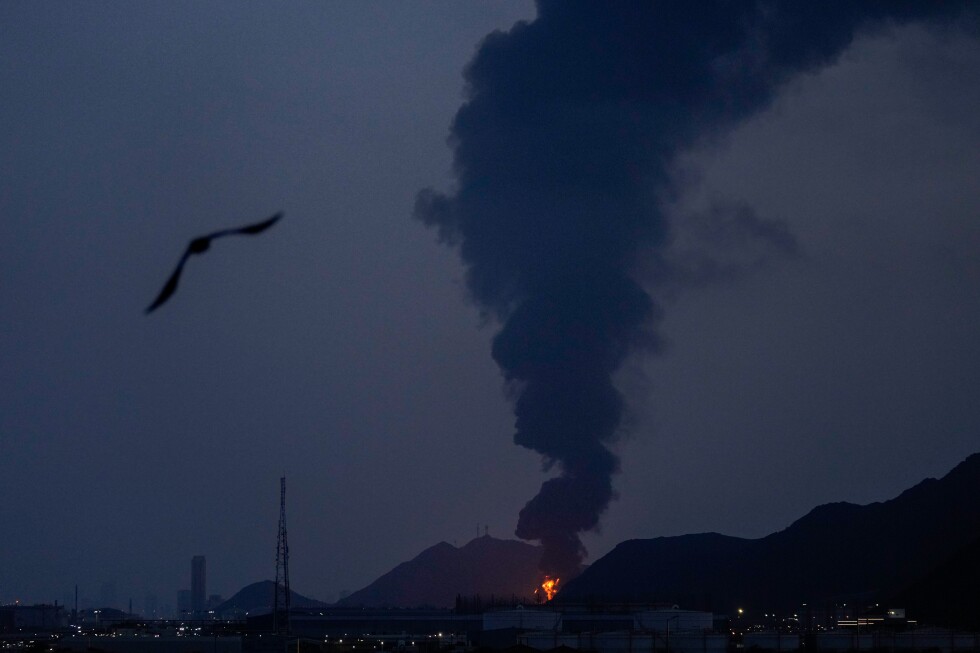
Maritime traffic in the narrow waterway between Iran and Oman has ground to a halt since the US and Israel began attacking Iran on Feb 28. While there is no physical blockade in the strait, Iran has threatened to attack any vessels moving through it, and insurers have yanked their war-risk policies, leaving hundreds of tankers in limbo. An estimated 20% of world oil supply has been disrupted, my colleague Matt Egan writes. If that trend continues, the risks of a global recession compound. The war has already effectively wiped out the “spare capacity” that typically serves as a shock absorber in energy markets.
It’s not just oil supplies at risk: the Gulf is also one of the world’s top suppliers of nitrogen fertilizers that are essential for agriculture around the world.
Oil and other commodity traders responded sharply, with US crude futures nearly hitting $120 a barrel overnight.
But by Monday afternoon, oil futures fell below $90 after G7 leaders said they would take “necessary measures” to support energy supplies and President Donald Trump told CBS that he believed the war with Iran was “very complete.”
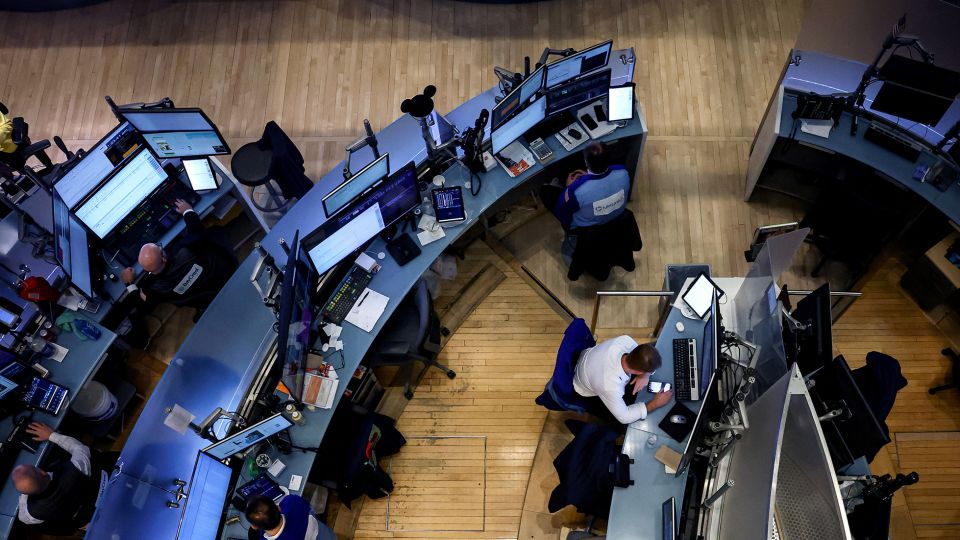
And that’s exactly why US stock markets never went into full panic mode, even when oil blew past the $100 level: They just weren’t convinced that this alarming saga would end in a worst-case scenario.
On Monday, US stocks ended in a much stronger place than where they began the day — just as they’d done the previous five trading sessions.
There are two major factors behind this pattern of selling in the morning and then getting a grip in the afternoon:
-
Equity traders are holding out hope for a swift resolution, confident that the US — a net oil exporter — can weather a short-lived shock better than most, and
-
They are buying the (expletive) dip, in meme parlance.
To be sure, stocks have fallen over the prospect of a longer Mideast conflict. But the S&P 500, the broadest gauge of US stocks, fell only about 2% last week, even as oil shot up 36% and an unexpectedly awful February jobs report raised concerns about the labor market. The index is still up about 20% from a year ago.