Will US stock market head for big crash on Monday, and will Dow Jones, S&P 500 and Nasdaq stay in red or finally turn green? Investors across global markets are watching this question after Wall Street closed lower at the end of the week. US stock market prediction, analysts insights and market outlook have gained attention following weak jobs data and a sudden jump in oil prices. The Dow Jones, S&P 500, and Nasdaq all ended Friday with losses as investors reacted to concerns about economic slowdown and rising energy costs. Tensions in the Middle East and disruption in oil supply routes also raised uncertainty. Market participants are now assessing whether the US stock market will extend losses or recover.
Will US stock market head for big crash on Monday, and will Dow Jones, S&P 500 and Nasdaq stay in red or finally turn green?
The question of whether the US stock market will see a sharp fall on Monday has gained attention after Wall Street ended the week with losses. Rising oil prices, weak jobs data, and global conflict have increased uncertainty. The Dow Jones, S&P 500 and Nasdaq closed lower after investors reacted to concerns about economic slowdown and higher energy costs. Oil prices surged after disruption in the Strait of Hormuz and tensions involving the United States, Israel and Iran. These developments have raised fears about inflation and global supply disruptions. Investors are now watching whether the US stock market will remain under pressure or see a recovery when trading begins next week.
Will US stock market head for big crash on Monday?
Some market observers warn that volatility may continue when markets reopen. A weak jobs report showed the US economy lost 92,000 jobs in February instead of adding jobs as economists expected. The unemployment rate also rose to 4.4 percent. At the same time, oil prices jumped more than 12 percent to above $90 per barrel. Higher oil prices increase costs for companies and can reduce consumer spending. These factors have raised concerns that markets may face pressure. However, analysts say a sharp crash is not certain because markets often react quickly to new information and may stabilize if energy prices stop rising.
Will Dow Jones, S&P 500 and Nasdaq stay in red or finally turn green?
The three major US indices ended Friday in negative territory. The Dow Jones Industrial Average dropped 0.95 percent to close at 47,501.55. The S&P 500 fell 1.33 percent to 6,740.00, while the Nasdaq Composite declined 1.59 percent to 22,387.68. These declines came after investors reacted to weak economic data and geopolitical tensions. Whether the Dow Jones, S&P 500 and Nasdaq stay in red or turn green will depend on several factors. These include oil price movement, updates from the Middle East conflict, and new economic data expected in the coming days.
US stock market prediction
US stock market prediction currently reflects uncertainty across global markets. Analysts say rising energy costs could push inflation higher. This could make it harder for the Federal Reserve to cut interest rates. Many investors had expected interest rate cuts to begin in June, but expectations have now shifted closer to September. If inflation rises again because of higher oil prices, the Federal Reserve may delay policy easing. This situation could keep pressure on equity markets. However, some analysts believe that if oil prices stabilize and economic data improves, markets could recover.
US stocks performance
Will US stock market head for big crash on Monday, and will Dow Jones, S&P 500 and Nasdaq stay in red or finally turn green? The question has become important after US stocks closed lower at the end of the week. The fall came as oil prices surged and fresh data showed weakness in the US jobs market. Investors are now watching whether markets will remain under pressure when trading resumes on Monday.
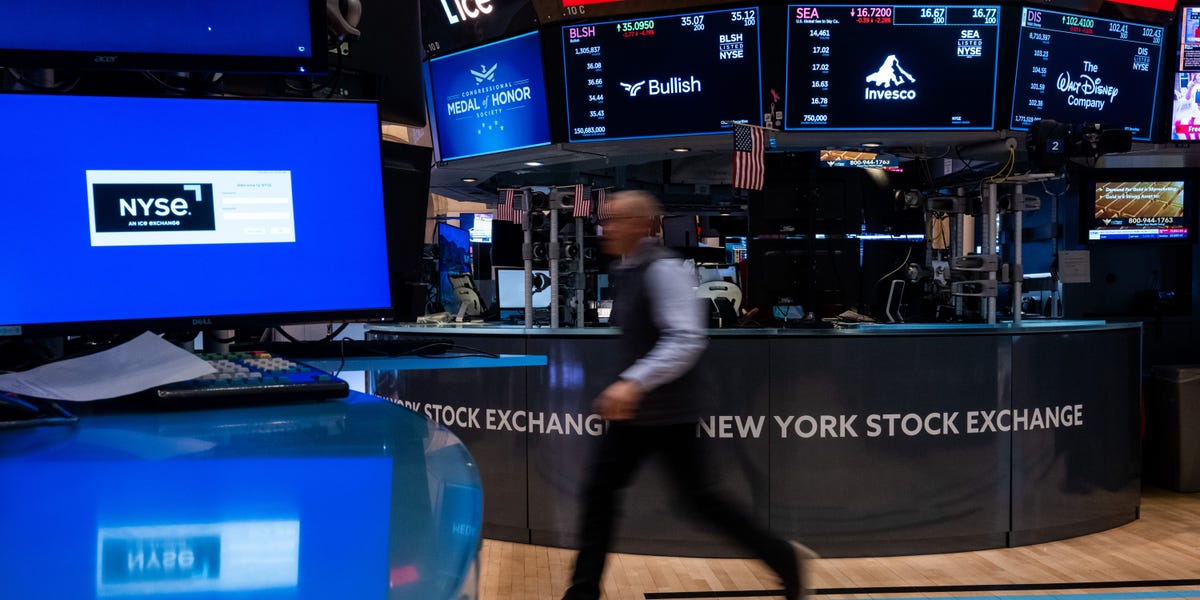
Wall Street closed lower on Friday after several developments raised concerns about the US economy and global stability. Rising crude oil prices and weaker employment numbers pushed investors to move cautiously. As a result, the Dow Jones Industrial Average, S&P 500, and Nasdaq Composite ended the day in the red.
At the same time, analysts are discussing US stock market prediction, analysts insights and market outlook to understand whether markets will see a deeper decline or recover in the coming sessions.
Market decline raises concerns about Monday trading direction
The Dow Jones Industrial Average dropped 0.95 percent and closed at 47,501.55. The S&P 500 fell 1.33 percent and finished at 6,740.00. The Nasdaq Composite declined 1.59 percent and closed at 22,387.68.
These losses came after a jobs report showed the United States unexpectedly lost 92,000 jobs in February. Economists had expected the economy to add about 50,000 jobs. The unemployment rate also increased to 4.4 percent from 4.3 percent in January.
The weak employment report raised concerns that the US economy could be slowing. Investors often react strongly to signs of slower growth. This has increased debate around the question: Will US stock market head for big crash on Monday, and will Dow Jones, S&P 500 and Nasdaq stay in red or finally turn green?
Oil price surge adds pressure on global markets
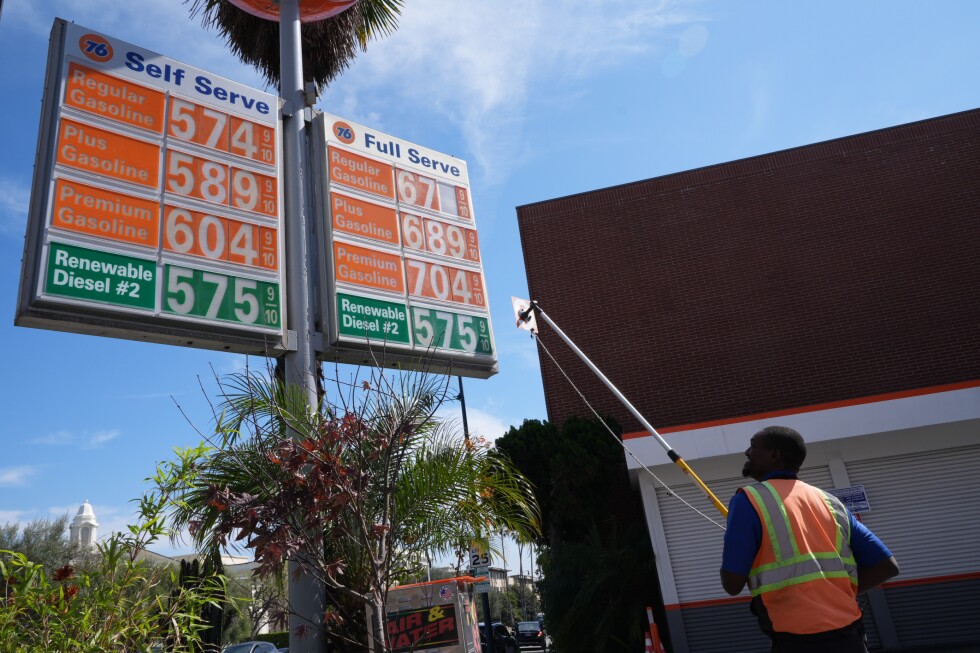
Another major factor behind the market decline was the sharp rise in oil prices. US crude oil futures jumped more than 12 percent and crossed $90 per barrel. Brent crude also rose about 8.5 percent to around $92 per barrel.
The surge followed the conflict involving the United States, Israel, and Iran. Attacks and tensions in the Gulf region disrupted shipping through the Strait of Hormuz. This route carries a large share of global crude oil and liquefied natural gas supplies.
Experts warn that continued disruption in the Strait of Hormuz could affect global energy supply. Analysts say higher oil prices may increase production costs for companies and may affect corporate profits.
Inflation and interest rate outlook
Analysts say the combination of rising oil prices and weak job data creates a difficult situation for the Federal Reserve. Higher energy prices can increase inflation, while slower job growth signals economic weakness.
Kristina Hooper of Man Group said the conflict may last longer than expected and rising oil prices could limit the Federal Reserve’s ability to cut interest rates.
The Cboe Volatility Index, which measures market anxiety, rose to 29.49. This was the highest level since April 2022.
Market strategists say this environment increases uncertainty. Investors are now focusing on US stock market prediction, analysts insights and market outlook to understand how markets may react next week.
Some sectors reacted differently during the trading session. Energy stocks rose slightly as higher oil prices could increase revenue for energy companies. However, banks and travel companies saw declines. The S&P 500 Banks Index dropped 2.03 percent. Airline stocks also fell as fuel costs increased.
Some individual stocks moved higher. Marvell Technology shares jumped 18.4 percent after the company forecast strong revenue for fiscal year 2028. Experts say investors should watch oil prices, global conflict developments, and economic data. These factors may determine whether markets stabilize or continue to decline.
Analysts insights and market outlook
Analysts say the combination of geopolitical conflict, rising oil prices and weak economic data is creating instability in financial markets. Market strategist Kristina Hooper said the conflict may last longer than expected and that rising oil prices may limit the Federal Reserve’s ability to reduce interest rates. The Cboe Volatility Index, which measures investor anxiety, jumped to 29.49, the highest level since April 2022. Analysts also point out that continued disruption in the Strait of Hormuz could affect global oil supply and increase inflation risks. These factors are shaping the current market outlook.
What should investors do now?
Experts say investors should avoid reacting only to short term market moves. They advise watching oil prices, global developments and upcoming economic reports. Investors may also track central bank signals about interest rate decisions. Diversification and risk management remain important during periods of volatility. Analysts say markets often recover after periods of uncertainty, but investors should remain cautious until global energy markets stabilize and economic indicators provide clearer direction.
FAQs
Q1: Why did US stock markets fall recently?
US stock markets fell after weak jobs data showed the economy lost 92,000 jobs in February and unemployment rose to 4.4 percent. Rising oil prices and Middle East tensions also increased investor concern.
Q2: How are oil prices affecting the US stock market outlook?
Oil prices rose sharply after disruption in the Strait of Hormuz during the Middle East conflict. Higher energy costs can increase inflation and company expenses, which may put pressure on stock markets.