Oklo (NYSE:OKLO) is in trouble. Or at least its shareholders are. This year, shares of the nuclear energy stock have fallen 73%.
Last year, Oklo peaked with a market cap of nearly $30 billion. Today, that valuation has fallen to less than $4 billion.
Missed Nvidia in 2009? This Rare Signal Is Flashing Again. In 2009, a “Double Down” signal flashed for a little-known chipmaker called Nvidia. For the first time in years, that same “Total Conviction” signal is flashing for a company 1/100th the size of Nvidia. Continue »
The company is still set to benefit from AI’s rising need for more energy. And most experts believe adoption of small modular reactors (SMRs) — which Oklo develops — is set to rise over the coming decades.
But there’s one major reason I’m not buying Oklo stock at its current discounted valuation. In fact, I might not invest in the company at any price.
Here’s why I’m not buying Oklo stock
Oklo has several notable SMR projects in its pipeline. But SMR adoption isn’t expected to occur en masse until the 2030s. It may be until the 2040s that SMR capacity contributes meaningfully to the global energy landscape.
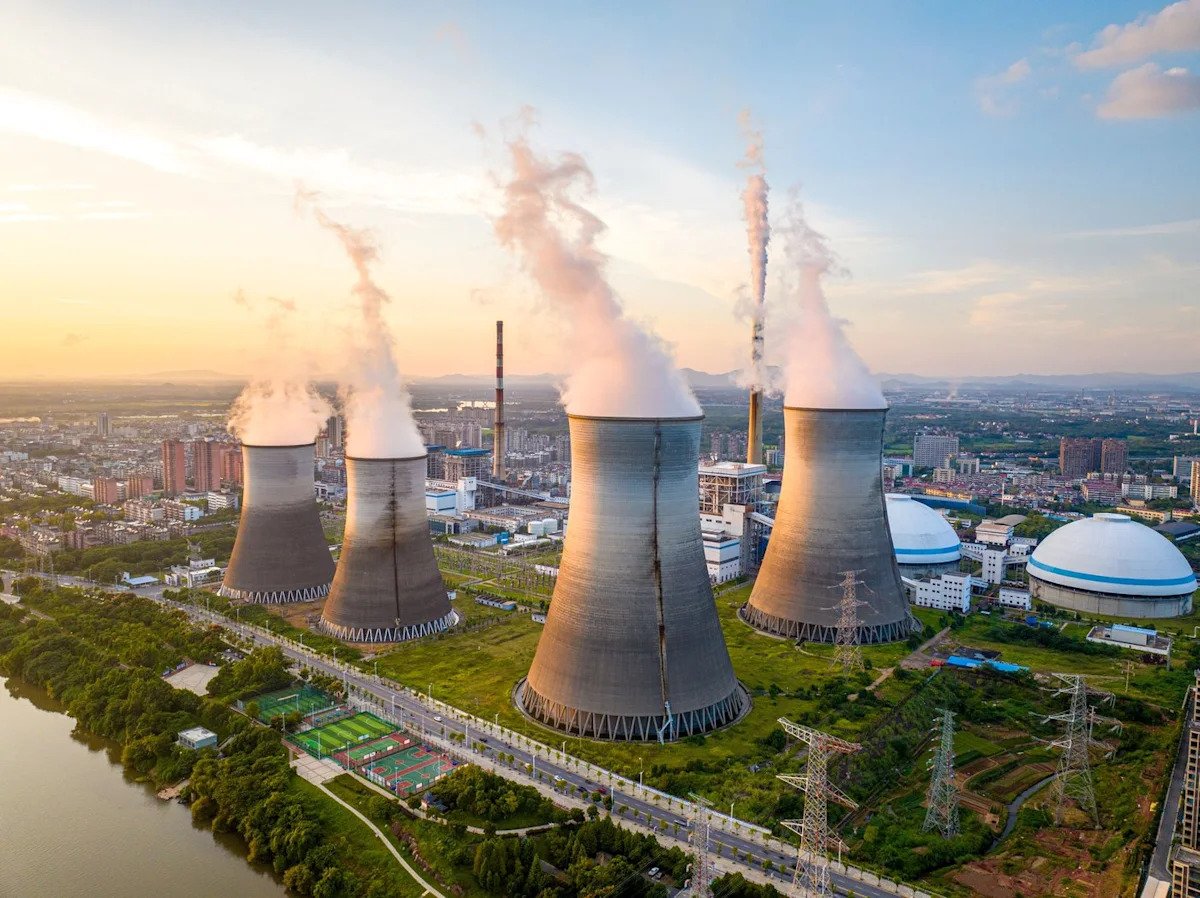
Image source: Getty Images.
Oklo may outpace the industry in terms of near-term adoption. But the company isn’t even cleared by regulators yet to build an SMR system in the U.S. Even if approval is achieved on an accelerated basis — as management believes — it will likely still be years before the company generates meaningful revenue.
Notably, Oklo has a different business model from SMR peers such as NuScale Power (NYSE:SMR). NuScale primarily sells its SMR systems to utility providers, which finance and own the asset. Oklo, however, finances and owns its facilities, resulting in higher capital expenditure intensity and potentially creating a drag on near-term cash flows.
Oklo isn’t approaching financial distress. The firm has more than $1.5 billion in cash and cash equivalents on the balance sheet, plus more than $1.5 billion in marketable debt securities. But analysts increasingly believe the company will need more capital to execute on its long-term growth runway. Consensus estimates call for Oklo to burn around $6.3 billion in free cash flow from 2026 through 2030.
With its valuation now below $4 billion, share dilution will become more onerous for Oklo investors. While I may give up some upside potential, I’m sticking to the sidelines until Oklo’s cash flow problem stabilizes. Otherwise, the cheaper the stock gets, the harder it becomes for the company to finance its future, offsetting the “cheaper” valuation investors can secure.