Picture two envelopes on the kitchen table. One holds interest from a government bond, and the other holds a dividend check from a company you own.
For years, that choice was easy. Bonds paid almost nothing, so income-seekers preferred high-yield dividend stocks.
That math has changed.
The Treasury note that matures in a decade now yields around 5.3%. A retiree can lock in steady income without being exposes to stock market volatility.
So why take on stock market risk at all? Because history says dividends do far more than pay the bills.
Why dividends matter for investors
Dividends have quietly driven stock returns for nearly a century.
According to a report from Hartford Funds, dividends accounted for 33% of the S&P 500’s total return between 1940 and 2025.
Here’s what separates a dividend from a bond payment:
-
A Treasury coupon stays fixed until the note matures.
-
A dividend can rise as company profits grow.
-
Reinvested dividends buy more shares, which then pay their own dividends.
-
Share prices can climb over time, allowing you to benefit from capital gains.
Here’s a simple example.
Allocate $10,000 in a Treasury note at 5.3%, and you collect $530 a year. Put the same amount in Altria at about 6.5%, and you collect roughly $650.
This gap will grow if the dividend keeps rising.
Verizon stock is a a telecom giant
Similar to other telecom companies, Verizon had a customer problem. More subscribers were leaving each quarter, a measure the industry calls churn.
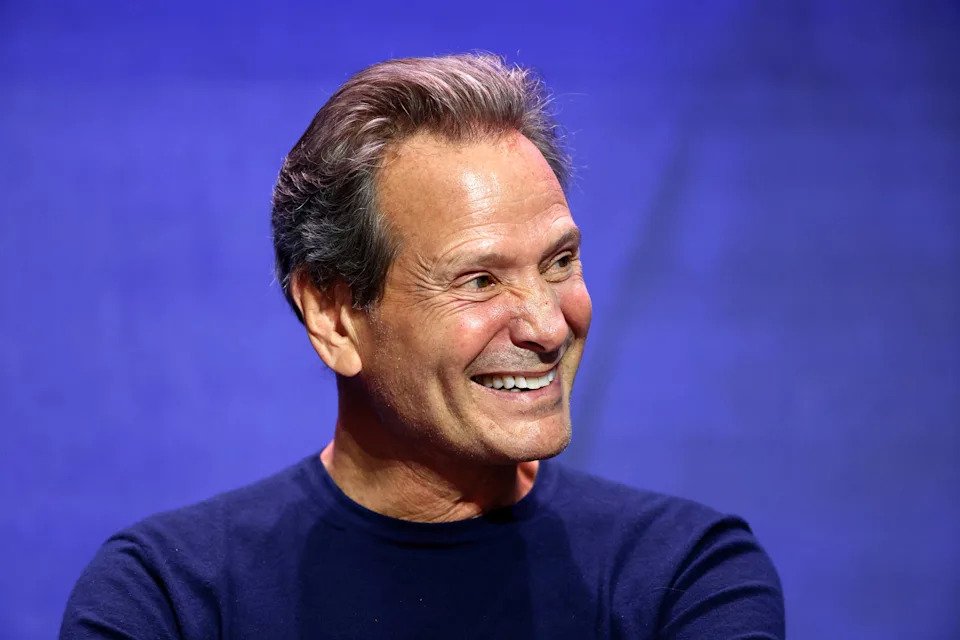
Then CEO Dan Schulman took over last October and focused on customer retention. The turnaround is showing up in the numbers.
Also Read: Verizon takes on T-Mobile with new phone plan for customers
Consumer postpaid phone churn fell to 0.84% in the second quarter, down from 0.90% in the first quarter.
In Q2, Verizon (VZ) reported free cash flow of $6.4 billion, up 24% year over year. Verizon raised its full-year FCF growth forecast to between 9% and 10%.
“We want to earn back your confidence with execution, not with promises,” Schulman stated.
With a quarterly dividend expense of around $2.9 billion, Verizon’s dividend payout ratio is less than 50%.
CFO Tony Skiadas made the priority clear at Citi’s Global TMT Conference on Sept. 9.
“Our commitment to the dividend is ironclad, and we’ve raised the dividend for 20 straight years,” he said.
Altria stock is a Dividend King
Altria (MO) faces a shrinking market and sluggish customer spending. Its domestic cigarette volumes fell 3.2% in the second quarter.
Yet the checks keep growing. Altria just raised its quarterly dividend to $1.11 per share, its 61th increase in 57 years, making it a Dividend King.