The big day is nearly here. Tomorrow, May 15, will mark the final day of Jerome Powell’s tenure as Fed chair and the expected beginning of Kevin Warsh’s first term as head of the Fed. Warsh’s five years on the Board of Governors of the Federal Reserve (Feb. 24, 2006 – March 31, 2011) bring experience to this key position.
But a Warsh-led Fed will lead to changes for the central bank — changes that threaten to upend the Dow Jones Industrial Average (^DJI 0.14%), S&P 500 (^GSPC +0.58%), and Nasdaq Composite (^IXIC +1.20%).

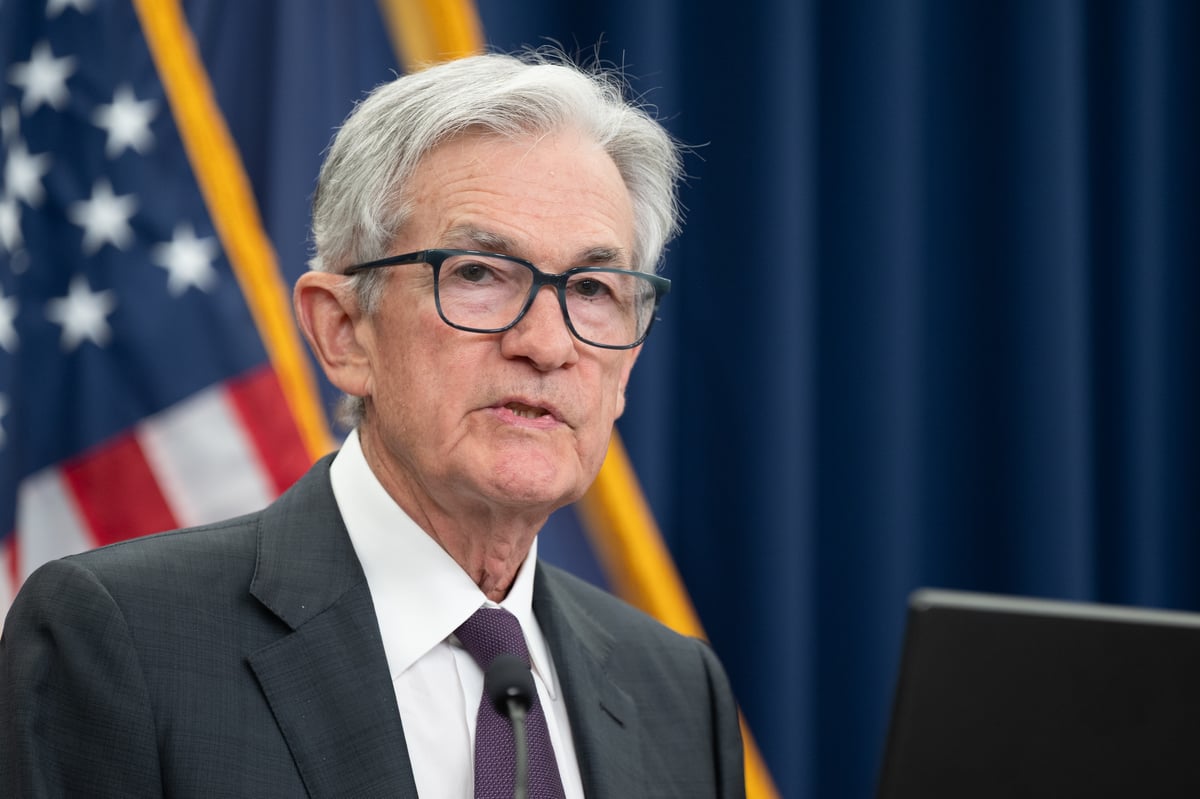
Jerome Powell’s final day as Fed chair is May 15. Image source: Official Federal Reserve Photo.
Kevin Warsh intends to deleverage the Fed’s balance sheet
Arguably, Warsh’s biggest critique of the central bank has been the ballooning of its balance sheet. From August 2008 to March 2022, total assets held by Federal Reserve banks grew roughly tenfold to nearly $9 trillion. Though a (now-ended) quantitative tightening cycle helped lower this figure to $6.7 trillion as of May 6, 2026, Powell’s successor wants to meaningfully deleverage the balance sheet.
The issue isn’t whether selling these assets, comprised mainly of U.S. Treasury bonds and mortgage-backed securities, is the right or wrong move. It’s that selling trillions of dollars of long-term Treasury bonds can have unintended consequences for Wall Street.

US Total Assets Held by All Federal Reserve Banks data by YCharts.
Bond prices and yields are inversely related. Selling trillions of dollars of Treasury bonds would weigh on bond prices and push yields higher, thereby increasing borrowing costs on consumers and businesses. Even if Warsh and other members of the Federal Open Market Committee (FOMC) — the 12-person body that sets the nation’s monetary policy — have no intention of raising interest rates, deleveraging the Fed’s balance sheet would effectively do so.
A historically expensive stock market is counting on low(er) interest rates to fuel artificial intelligence data center build-outs, among other costly, growth-trajectory-altering ventures.

Image source: Getty Images.
Powell’s successor wants to change how you think about inflation
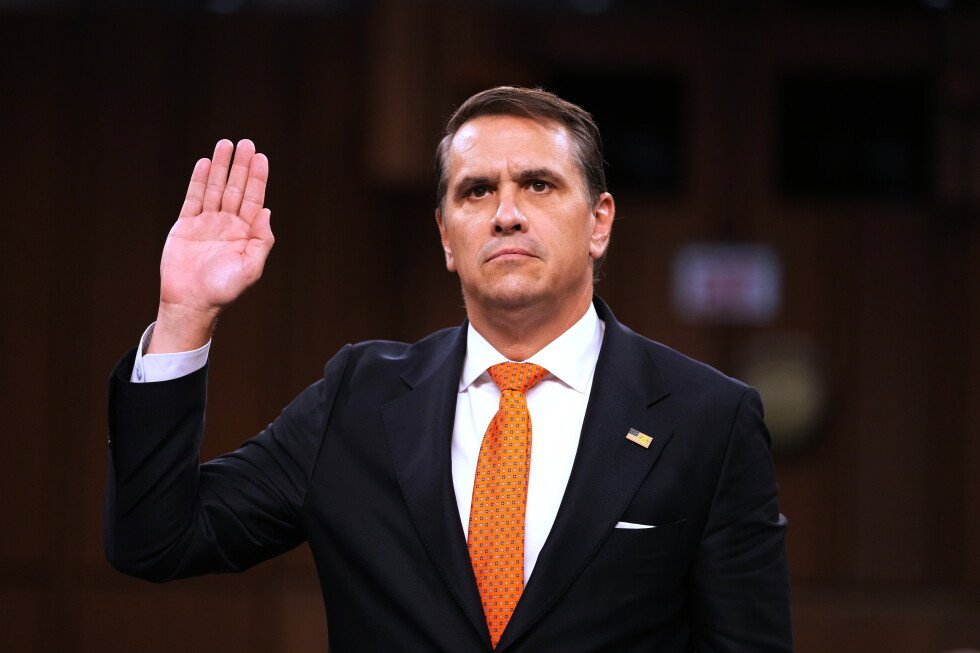
In addition to slashing the central bank’s $6.7 trillion balance sheet, Powell’s successor made clear in his testimony to the Senate Banking Committee that he wants to transform the definition of inflation.
The FOMC has maintained a hardline target of 2% long-term inflation since January 2012. But according to Warsh, “price stability should be a change in prices such that no one’s talking about it.”
This desire to seemingly abandon hardline inflation targets in favor of a considerably vaguer definition of price changes should give the Fed greater flexibility to adjust its monetary policy stance or take action. While this might sound favorable on paper, it risks upsetting Wall Street’s rip-roaring bull market.
⛽ Average U.S. gas prices per gallon on May 6, per AAA:
• Regular: $4.54 (⬆️ $1.56 since war in Iran began on Feb. 28)
• Premium: $5.39 (⬆️ $1.85 since war began)
• Diesel: $5.67 (⬆️ $1.81 since war began)
— NBC News (@NBCNews) May 6, 2026
Since the start of the Iran war on Feb. 28, energy prices have skyrocketed. The closure of the Strait of Hormuz has led to the largest energy supply disruption in modern history and a decisive uptick in trailing 12-month inflation. There’s no question that consumers and businesses are talking about inflationary pressures.
If Warsh is successful in altering how the FOMC thinks about inflation, the price pressures from the Iran war could quickly warrant a shift in stance from the FOMC to a neutral or hiking bias. Although the Dow Jones Industrial Average, S&P 500, and Nasdaq Composite have held up well in light of rapidly rising inflation, a decisive shift from a Warsh-led Fed could quickly change Wall Street’s tune.