***Money is not a client of any investment adviser featured on this page. The information provided on this page is for educational purposes only and is not intended as investment advice. Money does not offer advisory services.***
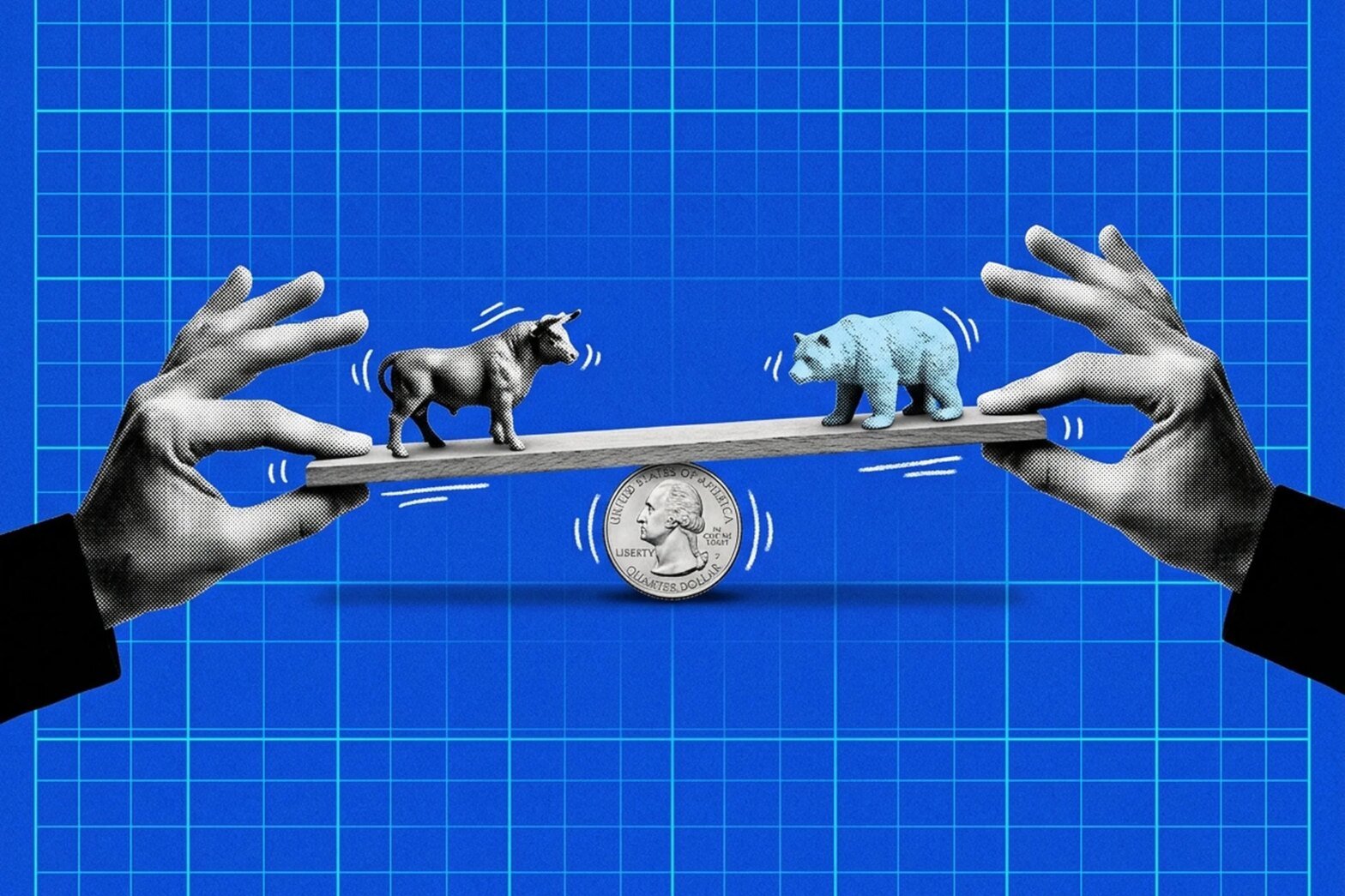
It was the best of times, it was the worst of times… Charles Dickens might not have been writing about the stock market and economy of 2026, but he could have been. The stock market is hitting new highs, boosting millions of Americans’ 401(k) balances. Meanwhile, stubbornly high prices, rising borrowing costs and growing doubts about the AI boom are giving investors heartburn.
Energy prices have retreated from their eye-watering highs earlier this year, but diesel prices, which have a ripple effect on nearly everything American consumers buy, remain within pennies of the record high hit last month.
Borrowing costs have soared as investors grow jittery about the size of the U.S. debt, which recently eclipsed $40 trillion. And AI spending has become a double-edged sword, propping up parts of the economy even as questions grow about whether tech companies will be able to recoup their enormous investments.
Must Read
Americans seem increasingly uneasy about the divergence. A new survey from the Allianz Center for the Future of Retirement finds that roughly 3 in 4 Americans think recent market highs are “unsustainable” and believe that a correction could be on the horizon. What’s more, nearly 2 in 3 feel forced to delay financial decision-making because today’s economy is too “unpredictable” to act.
Kelly LaVigne, vice president of consumer insights at Allianz Life, says it’s not surprising that Americans are feeling some financial whiplash.
“There’s all the bad news we’re getting on the amount it costs just to keep your standard of living. On the other hand, however, you’ve got the market continuing to hit all these records,” he says. “It’s these two almost opposite headlines.”
Smart investors make long-term plans that account for inevitable downturns, financial pros say. This means there are some steps you can take now to protect your assets and position yourself to take advantage of the opportunities that a less-frothy stock market offers.
Don’t batten down the hatches too early
A common “bubble” metric, the cyclically adjusted price-to-earnings (CAPE) ratio, is the second-highest it’s ever been. The only time it surpassed its current level was just before the dot-com crash. But while anticipating a correction is easy, predicting when that inflection point will happen is a task even investing pros struggle with.
“It’s really, really hard to predict a correction. We know it’s coming but we don’t know when,” says Ron Johnson, a wealth planner at Baird. “And if you over-prepare, meaning move to cash, you could be out of the market during some really nice runs.”
Position yourself for bargain buying
It might be tempting to load up on equities as the market soars, but maintaining a diversified portfolio gives you flexibility when market conditions change, Johnson says.
“Recency bias is a real thing, and we’re all screaming that the 60/40 portfolio is dead,” he observes. But while it’s true that investors — younger ones in particular — can afford to be more aggressive in equities, Johnson suggests that it’s short-sighted to put all your proverbial eggs in one basket.
“If you don’t have any fixed income, if the market were to take a large correction, you wouldn’t have any powder in your keg to rebalance and buy equities at a low price,” he notes.
Safeguard money for shorter-term needs
People approaching retirement or retirees should shelter some funds from market volatility. When stock values fall, “What you don’t want to do is be forced to sell them when they’re down,” says Thomas Martin, senior portfolio manager and partner at Globalt Investments.
How much money to protect is a question with a nuanced answer, depending on how heavily you rely on your nest egg for living expenses, as well as your willingness and ability to reduce spending if necessary. Martin advises asking yourself, “What do you need the money for and how certain do you want to be?”
For some retirees, this might mean keeping three to five years’ worth of living expenses out of the market. Now that interest rates have normalized from their extreme, post-pandemic lows, you could ladder CDs or Treasury bonds to preserve access to your money and prevent its value from being eroded by inflation.
Stay the course
If you’re a 401(k) investor, this step is easy: Don’t pause your payroll contributions even if the market is in free fall. This is your best chance to buy equities at a discount, Johnson points out. “It’s called dollar-cost averaging, and that helps to mitigate” the financial hit of your total balance dropping.
Above all, avoid the impulse to yank your money out of stocks and stash it in cash, LaVigne warns. While the impulse is understandable, pulling your money out of the market after a downturn only makes recovering harder. “You’re creating a permanent loss,” he says.
“One of the reasons individual investors don’t do as well as the S&P is because of human behavior,” he says. “It’s not because of market performance, it’s because of human performance.”
Never miss a Money story.
© Copyright 2026 Money Group, LLC. All Rights Reserved. This article originally appeared on Money.com and may contain affiliate links for which Money receives compensation. Opinions expressed in this article are the author’s alone, not those of a third-party entity, and have not been reviewed, approved, or otherwise endorsed. Offers may be subject to change without notice. For more information, read Money’s full disclaimer.