This is a tall order, to choose three of the many stocks I own as ones I don’t plan to sell within the next two decades, no matter what. After a bit of thinking and review, though, I have my three.
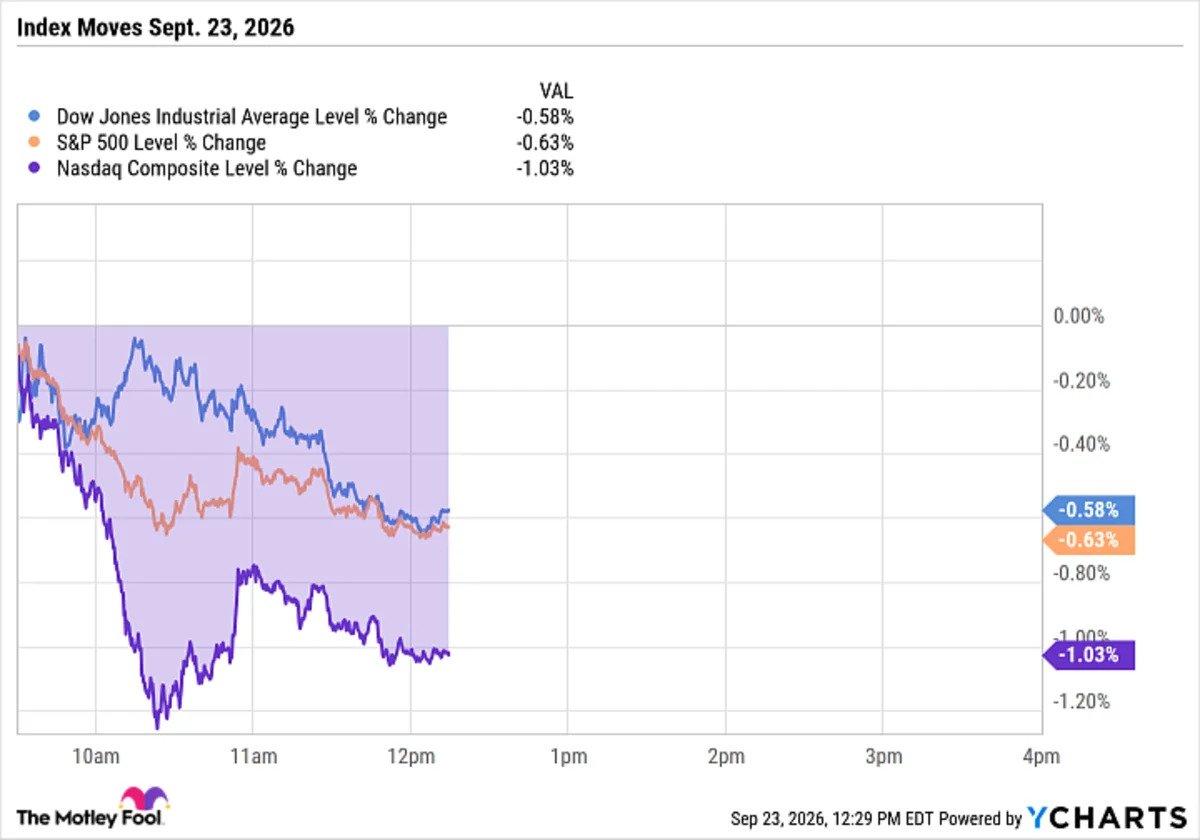
I’ll discuss each one below. Note that my thinking incorporated the chance of there being a stock market crash or correction in the coming year or two. Such a pullback won’t surprise me at all because the market has delivered a lot of double-digit gains in recent years, and there’s also rising inflation and global unrest. Still, no one knows with any certainty what the market will do in the short term.
Missed Nvidia in 2009? This Rare Signal Is Flashing Again. In 2009, a “Double Down” signal flashed for a little-known chipmaker called Nvidia. For the first time in years, that same “Total Conviction” signal is flashing for a company 1/100th the size of Nvidia. Continue »

1. Berkshire Hathaway
Berkshire Hathaway (NYSE: BRKA) (NYSE: BRKB) is almost a no-brainer for me. Having followed its longtime CEO Warren Buffett for many years and attended many of its annual meetings, it’s the company in which I have the most faith for the long term. It’s made up of lots of disparate businesses, from insurance to homebuilding to jewelry to transportation to energy — and much more, including Dairy Queen International. It owns stock in lots of companies, too, such as 22% of American Express and 9% of Coca-Cola.
Whenever a market pullback occurs, as it inevitably will now and then, my Berkshire shares should hold up relatively well. After all, the stock has a beta of 0.62, meaning that when the overall stock market moves up or down, Berkshire will move up or down only 62% as much, on average.
Note that Buffett has stepped down from the CEO post as of 2026, but his successor Greg Abel is a longtime Berkshire manager, vowing to maintain the company’s culture and long-term focus.
2. Intuitive Surgical
Intuitive Surgical (NASDAQ: ISRG) is, to me, a less predictable company than Berkshire Hathaway, but I still have a lot of faith in it. Why? Well, for starters, its management has been skilled enough to grow the business into the dominant force in robotic surgical systems. It recently sported a market value of $151 billion, and it has more than 12,000 of its costly systems installed around the world.
Over the years, it has introduced some newer surgical systems and gained approvals for additional procedures that can be performed with them. So its growth potential lies in further sales of systems, further introductions of new systems, and the addition of procedures that can be performed with its equipment. Better still, I love its business model. It actually earns much more from service contracts and the sale of accessories and supplies than from sales of its big systems. That’s recurring, and fairly dependable, income.