
Published:
Mar 01, 2026, 18:35 IST |
Updated:
Mar 01, 2026, 18:35 IST
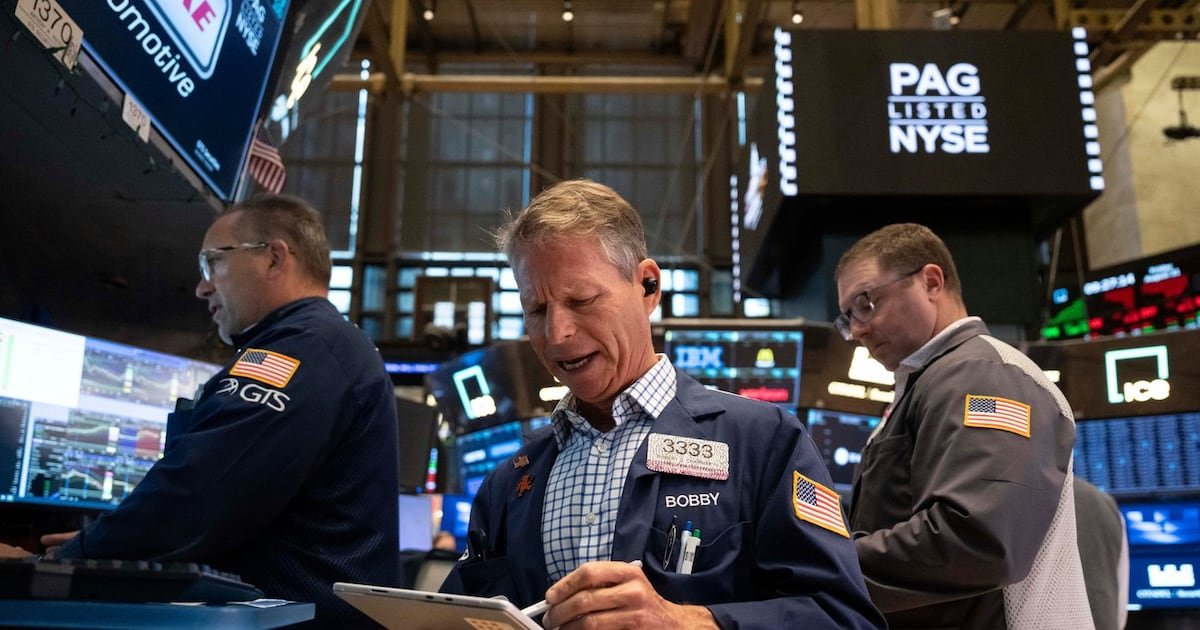
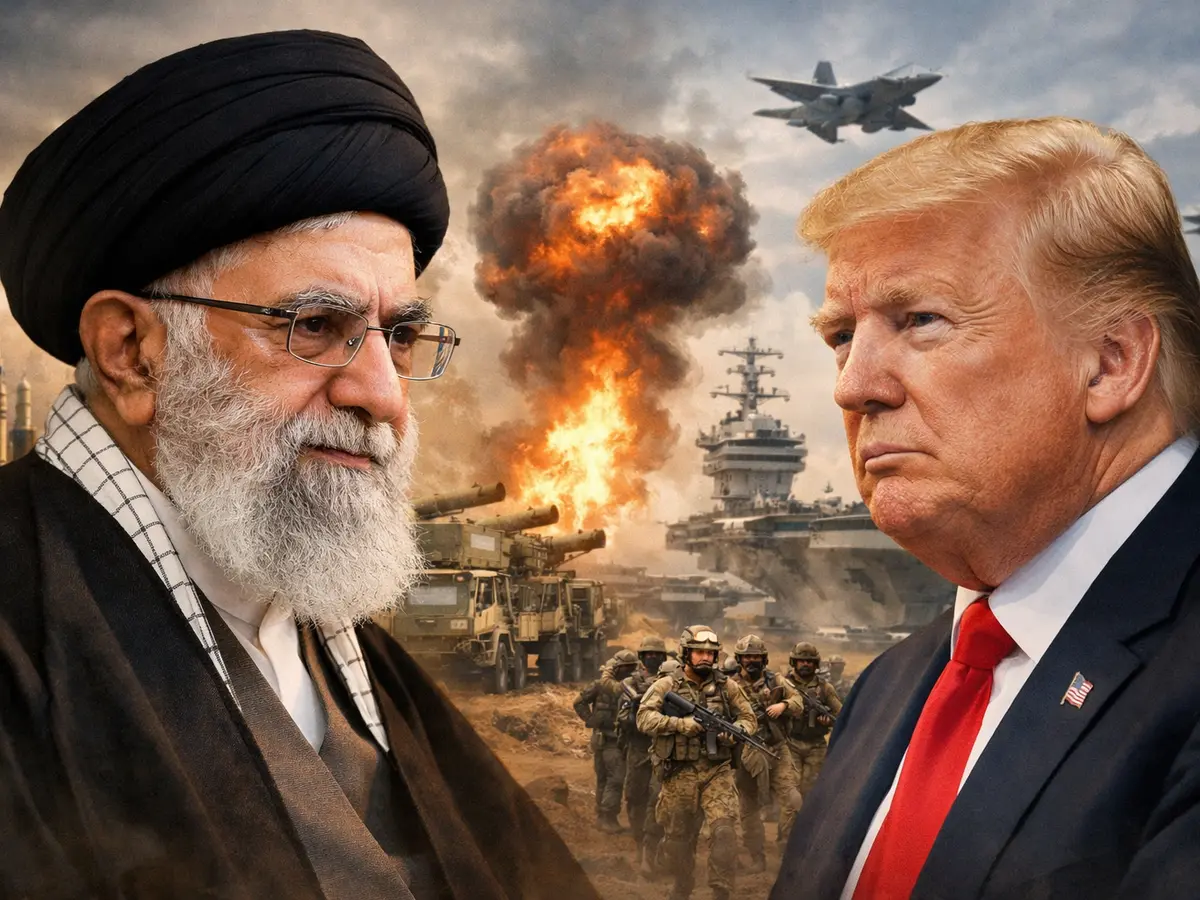
As the smoke clears over Tehran and sirens fade in the United Arab Emirates, the geopolitical crisis is about to become a global financial catastrophe. When the opening bell rings on Monday, the world is bracing for a financial bloodbath.
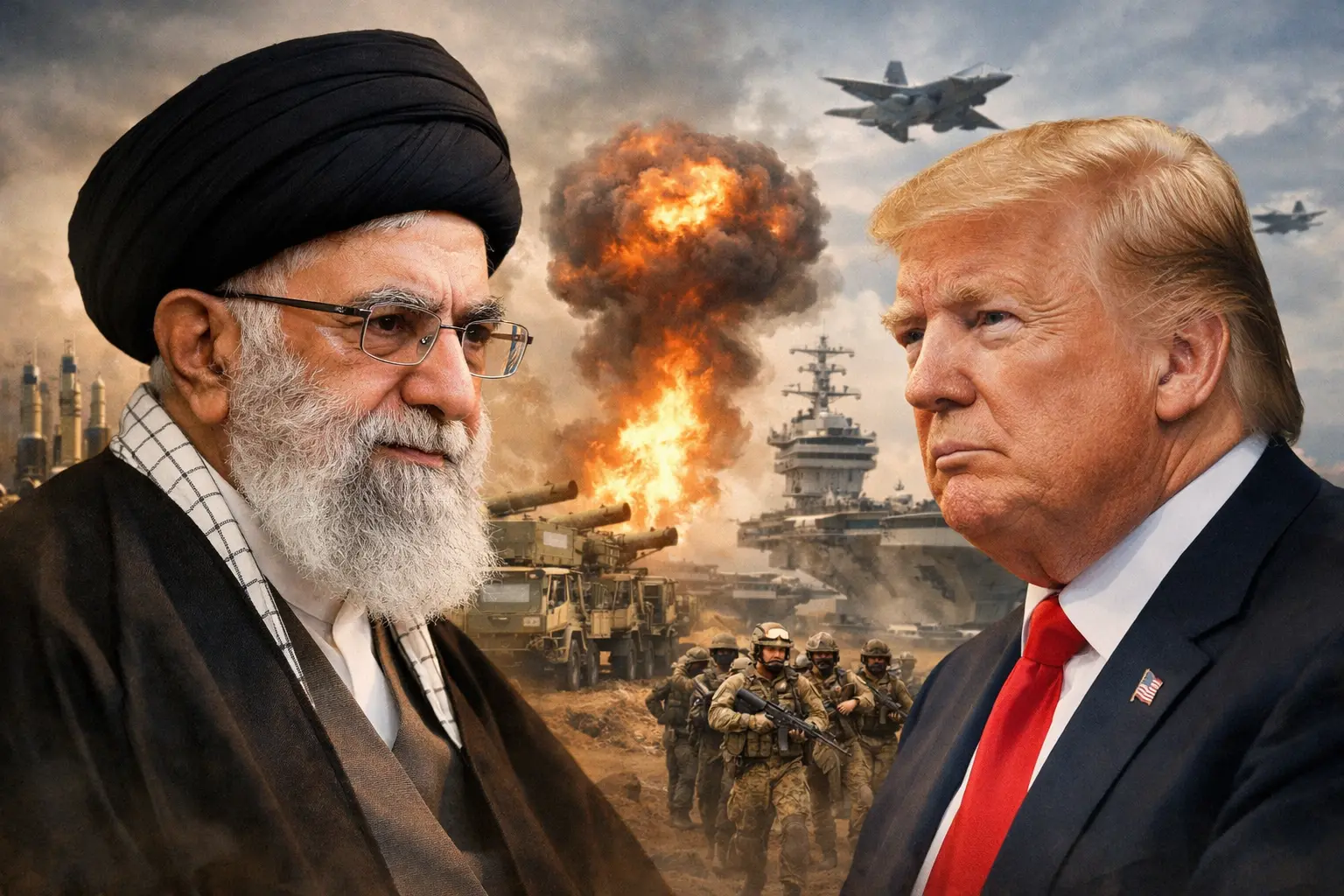
(Photograph: AI)
1. The Strait of Hormuz is Paralyzed
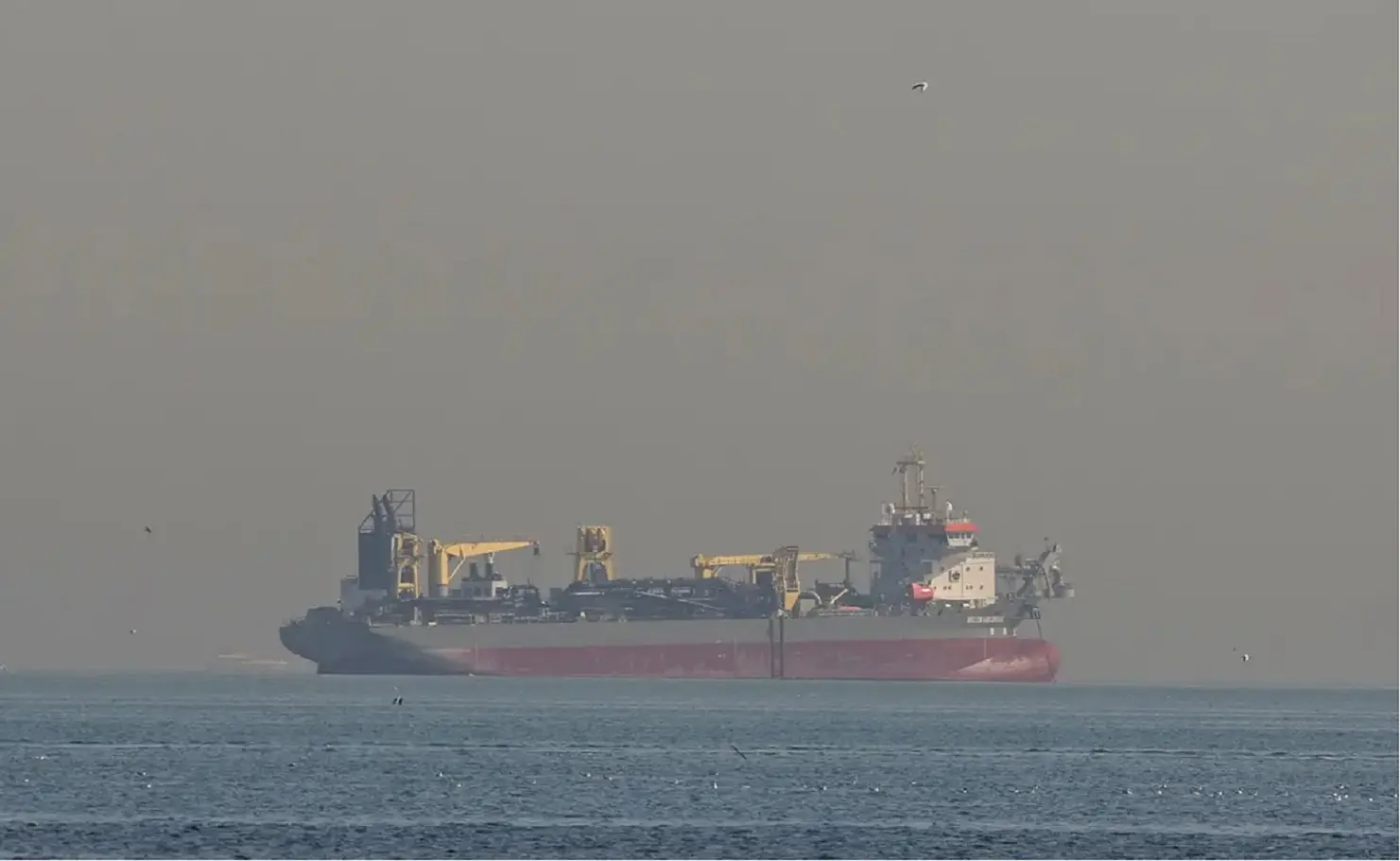
The most critical artery for the global economy is effectively closed. Approximately 20% of the world’s daily oil consumption passes through the narrow Strait of Hormuz. With commercial shipping giants like Hapag-Lloyd and CMA CGM already ordering their fleets to take immediate shelter in the Persian Gulf to avoid Iranian retaliation, the global supply chain has suffered an instantaneous, massive heart attack.

(Photograph: Pexels)
2. Brent Crude is Primed to Explode
Oil markets despise uncertainty, and the assassination of a supreme leader followed by a multi-nation missile exchange is the ultimate worst-case scenario. Energy traders are fully expecting Brent Crude to aggressively “gap up” (open significantly higher than Friday’s close) as the markets price in the terrifying reality that Iranian oil facilities, or Gulf Arab refineries, could be the next targets in this escalating war.

3. The ‘Safe Haven’ of Dubai is Shattered
For decades, Dubai has been the untouchable financial sanctuary of the Middle East, a place where global billionaires and corporations park their wealth. The unprecedented reality of drone debris hitting the UAE and the total closure of Emirati airspace shatters that illusion of safety. The Dubai Financial Market (DFM) and regional exchanges like the Saudi Tadawul are expected to face a brutal, immediate sell-off as panicked foreign investors pull their capital out of the Gulf.

(Photograph: X)
4. Global Aviation Stocks Will Bleed
The FlightRadar blackout over 9 Middle Eastern nations isn’t just a logistical nightmare; it is a multi-billion dollar financial hemorrhage. Global airlines are now forced to permanently reroute thousands of flights around the conflict zone, adding massive fuel costs and destroying connecting schedules. Expect aviation giants, from Emirates and Qatar Airways to European carriers like Air France and Lufthansa, to see their valuations aggressively punished by shareholders.

(Photograph: Pexels)
5. A Massive Flight to ‘Safe-Haven’ Assets
When war breaks out, institutional investors dump risky equities and run for cover. Monday will likely see a massive, immediate surge in traditional safe-haven assets. Gold prices are expected to skyrocket to unprecedented highs as investors seek physical security, while the US Dollar and Swiss Franc will see huge inflows as hedge funds liquidate their global stock portfolios to hold cash.
6. The Defence Industry Mega-Rally
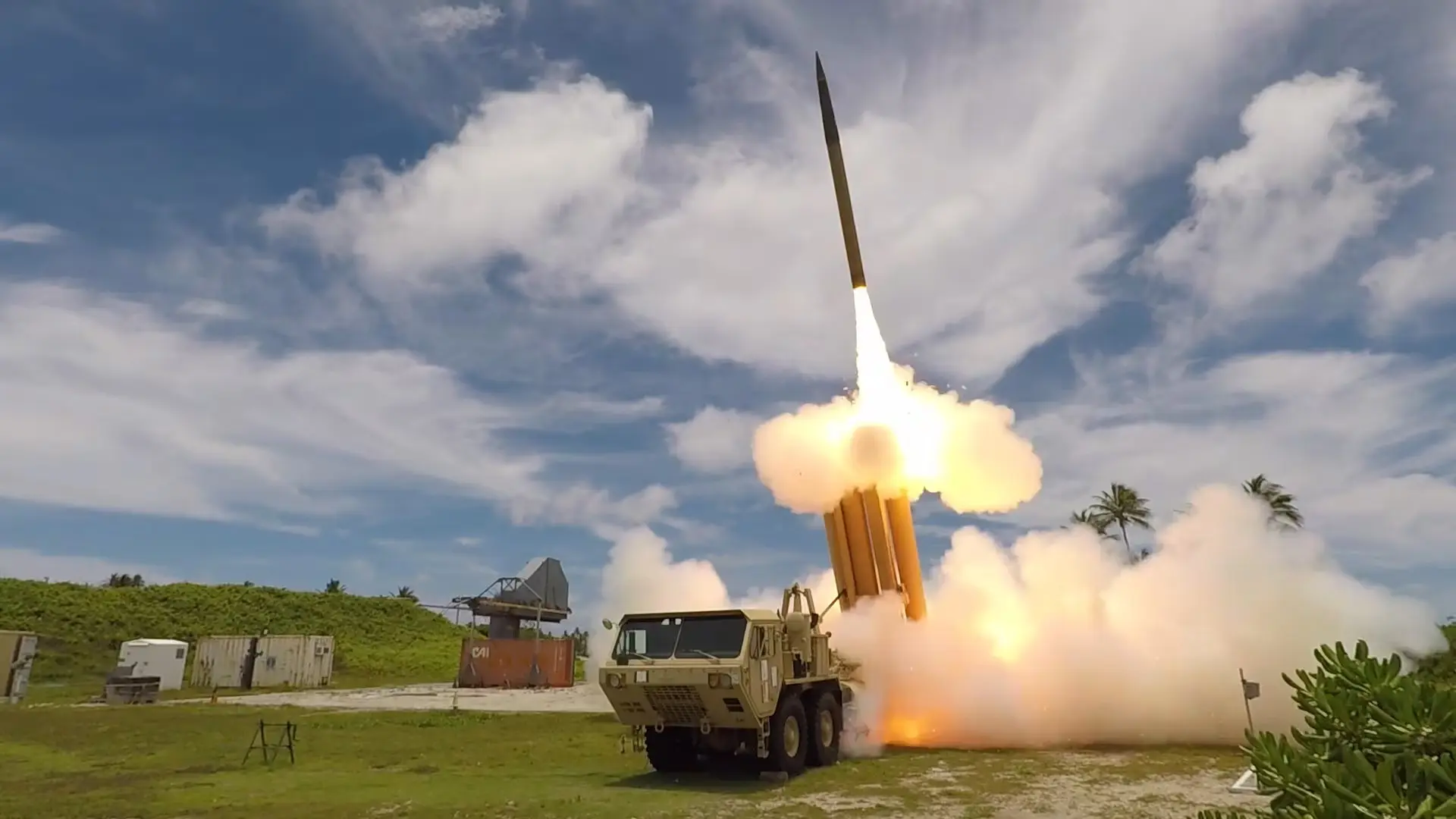
While the broader stock market bleeds, one sector is guaranteed to see a massive influx of capital: the military-industrial complex. As the US Navy intercepts missiles and the Israeli and UAE air forces mobilize, defense contractors like Lockheed Martin, Raytheon, and Northrop Grumman will likely see their stock prices surge. Investors know that a prolonged Middle Eastern war guarantees billions in new government defence contracts.
7. The Ultimate Threat: Inflation Returns
The biggest fear for global central banks on Monday morning isn’t just a temporary dip in stock prices; it’s the return of crippling inflation. If the Strait of Hormuz remains closed and oil prices stay sky-high, the cost of manufacturing and shipping goods globally will explode. This geopolitical shock threatens to completely derail the global fight against inflation, potentially forcing the US Federal Reserve to abandon any planned interest rate cuts.