This is CNBC’s Morning Squawk newsletter. Subscribe here to receive future editions in your inbox.
Good morning. If you’re getting on a plane soon, consider this a public service announcement that you may want to give yourself extra time for security lines.
Stock futures are tanking this morning following a losing week on Wall Street.
Here are five key things investors need to know to start the trading day:
1. Premium prices
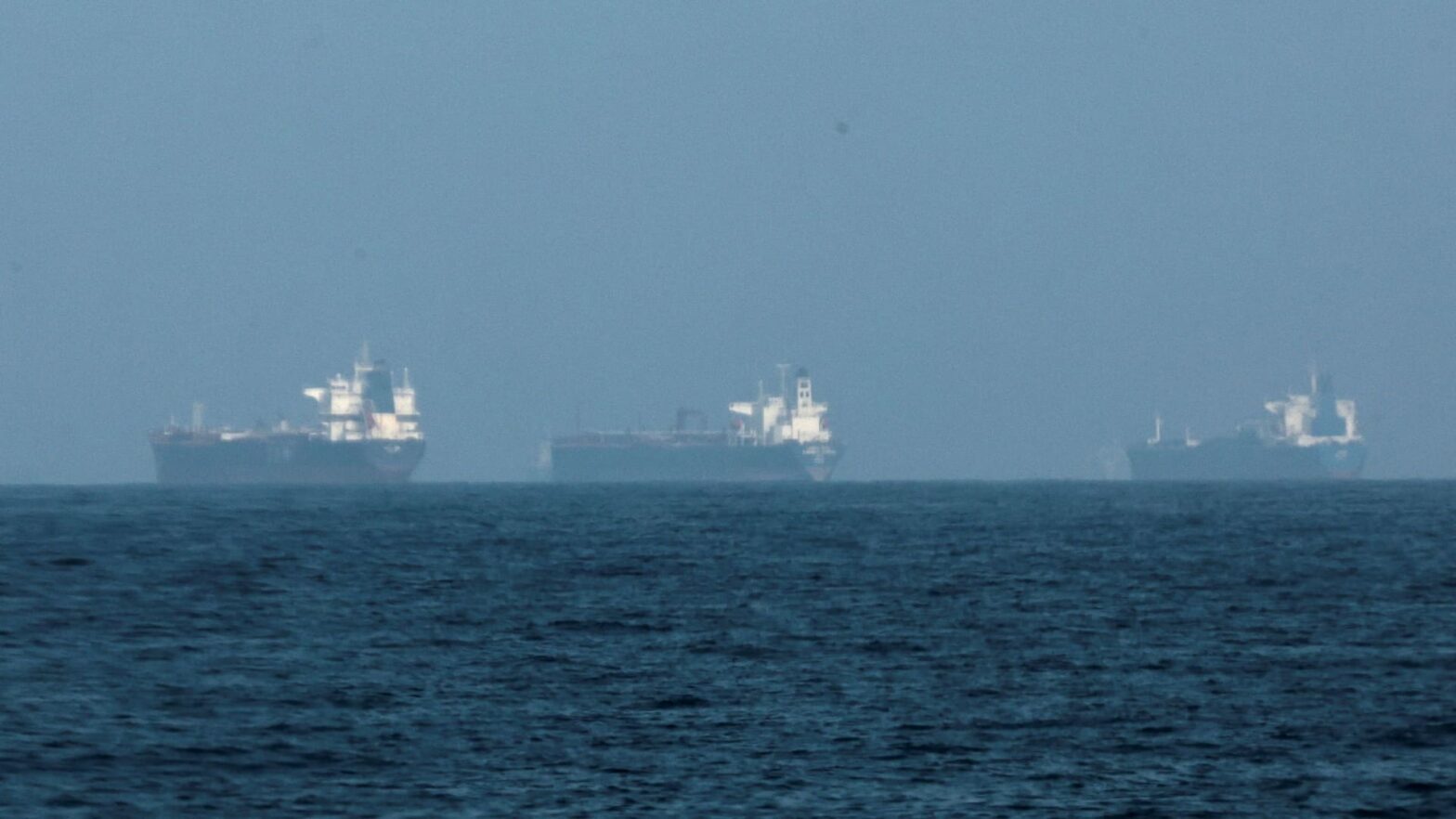
Tankers are seen off the coast of the Fujairah, as Iran vows to close the Strait of Hormuz, amid the U.S.-Israel conflict with Iran, in Fujairah, United Arab Emirates, March 3, 2026.
Amr Alfiky | Reuters
U.S. crude futures climbed above $100 per barrel yesterday for the first time since the aftermath of Russia’s invasion of Ukraine in mid-2022. The surge came after Iraq, Kuwait and the United Arab Emirates cut their oil output amid the U.S.-Iran war.
Here’s what to know:
- Energy Secretary Chris Wright said yesterday that energy prices would fall when the U.S. removes Iran’s ability to strike tankers in the Strait of Hormuz.
- President Donald Trump last night called the jump in oil prices a “very small price to pay” and that “only fools would think differently!”.
- Last week, U.S. crude oil surged 35.6% — its biggest gain in the history of the futures contract.
- Oil’s rise rocked the stock market, leading the Dow Jones Industrial Average to its worst week in nearly a year.
- Iran on Sunday named Mojtaba Khamenei, the son of the late Ayatollah Ali Khamenei, as its new Supreme Leader, according to media reports.
- Stocks resumed their plunge in extended trading this morning. Dow futures are down more than 500 points.
- Follow live markets updates here.
2. Eye on affordability
A member of the U.S. Capitol police patrols following a vote in the U.S. House of Representatives on a bipartisan war powers resolution aiming to stop the military campaign against Iran, on Capitol Hill, in Washington, D.C., U.S., March 5, 2026.
Nathan Howard | Reuters
Affordability was already the focus of November’s midterm elections. But as CNBC’s Garrett Downs and Justin Papp report, the U.S.-Iran war has further raised the stakes.
Democrats are framing the conflict as a catalyst for higher costs for everyday Americans, pointing to rising gas prices. Some Republicans, meanwhile, are hopping the war is short enough to avoid material economic damage that could hurt their midterm messaging.
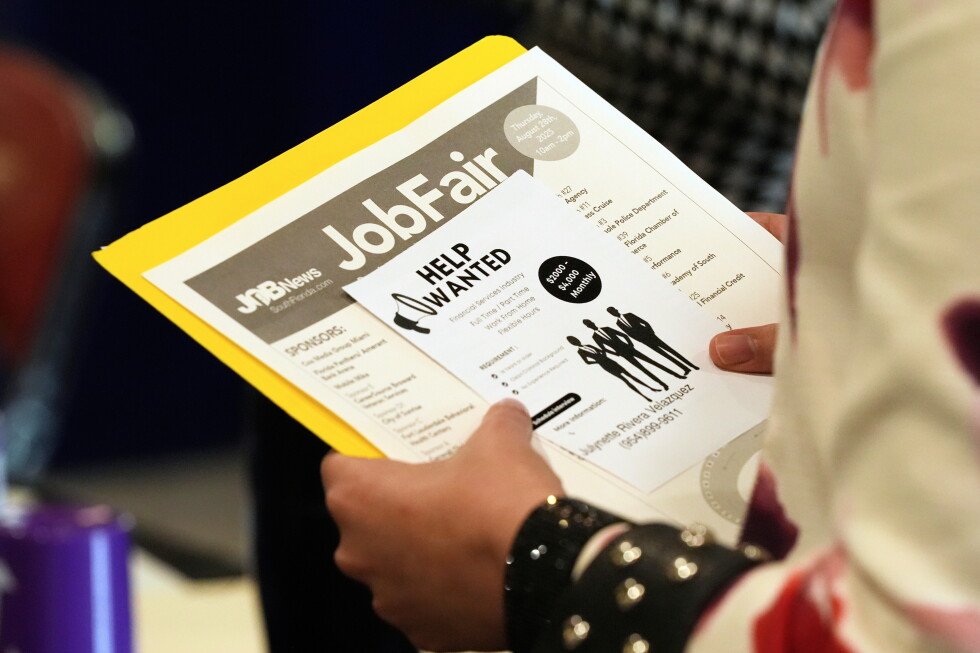
As CNBC’s Matt Peterson writes, Friday’s negative jobs report was also ill-timed for the White House. A tightening labor market — on top of rising prices at the pump — could pressure Trump to change course on the conflict with Iran.
3. On again, off again
The logo for the Food and Drug Administration is seen ahead of a news conference at the Health and Human Services Headquarters in Washington, April 22, 2025.
Nathan Posner | Anadolu | Getty Images
Vinay Prasad, the Food and Drug Administration’s vaccine chief, is stepping down. An FDA spokesperson confirmed that Prasad will leave his position as director of the Center for Biologics Evaluation and Research at the end of April.
In July, Prasad briefly left the role amid backlash to his decisions. However, he returned two weeks later.
Prasad’s most recent departure announcement follows a string of controversial decisions that received criticism from the biotechnology and pharmaceutical industries, as well as from former health officials. FDA Commissioner Marty Makary said the FDA would appoint a successor before Prasad leaves.
Get Morning Squawk directly in your inbox
4. Heated rivalry
Canadians hold an “Elbows Up” protest against U.S. tariffs and other policies by U.S. President Donald Trump, at Nathan Phillips Square in Toronto, Ontario, Canada March 22, 2025.
Carlos Osorio | Reuters
Canadians aren’t backing down from their boycott of U.S. goods and services amid Trump’s calls for Canada to become a U.S. state. What was originally viewed as an atypical swell of Canadian patriotism about a year ago has created structural changes to the country’s social and economic order.
Data shows Canadians are buying more domestic brands and increasing tourism spending within the country. On the other hand, they are shunning U.S. goods and skipping trips across the border — an unwelcome trend for the U.S. tourism industry.
A team at Canada’s central bank said these consumption changes could also affect the country’s gross domestic product and inflation. Polling suggests that most Canadians aren’t planning to stop their “elbows up” spending approach in the near future.
5. Heating up
Bathhouse pools
Source: Bathhouse
Business is booming at wellness-focused venues. As CNBC’s Laya Neelakandan notes, it’s driven by a demand from consumers for so-called third spaces.
These wellness clubs not only offer amenities like cold plunges and saunas, but also a chance to socialize. For some, the absence of alcohol is an added plus.
The Global Wellness Institute estimates that the worldwide wellness market will close in on $10 trillion by 2030. New York-based Bathhouse told CNBC exclusively that it expects to see about $120 million in run-rate revenue by the end of 2026.
The Daily Dividend
Here’s what we’re keeping an eye on this week:
- Monday: Hewlett Packard Enterprise earnings (after the bell)
- Tuesday: Kohl’s earnings (before the bell); Oracle earnings (after the bell)
- Wednesday: February consumer price index
- Thursday: Dollar General and Dick’s Sporting Goods earnings (before the bell); Ulta Beauty and Adobe earnings (after the bell)
- Friday: Fourth-quarter GDP data; January personal consumption expenditures price index; January Job Openings & Labor Turnover data
— CNBC’s Spencer Kimball, Sam Meredith, Garrett Downs, Azhar Sukri, Emma Graham, Sean Conlon, Justin Papp, Matt Peterson, Jacob Pramuk, Angelica Peebles and Laya Neelakandan contributed to this report. Josephine Rozzelle edited this edition.