The S&P 500 (SNPINDEX: ^GSPC) closed Wednesday’s trading at 6,775.8, having fallen roughly 3.2% from its all-time high set in late January. The decline has real potential to continue.
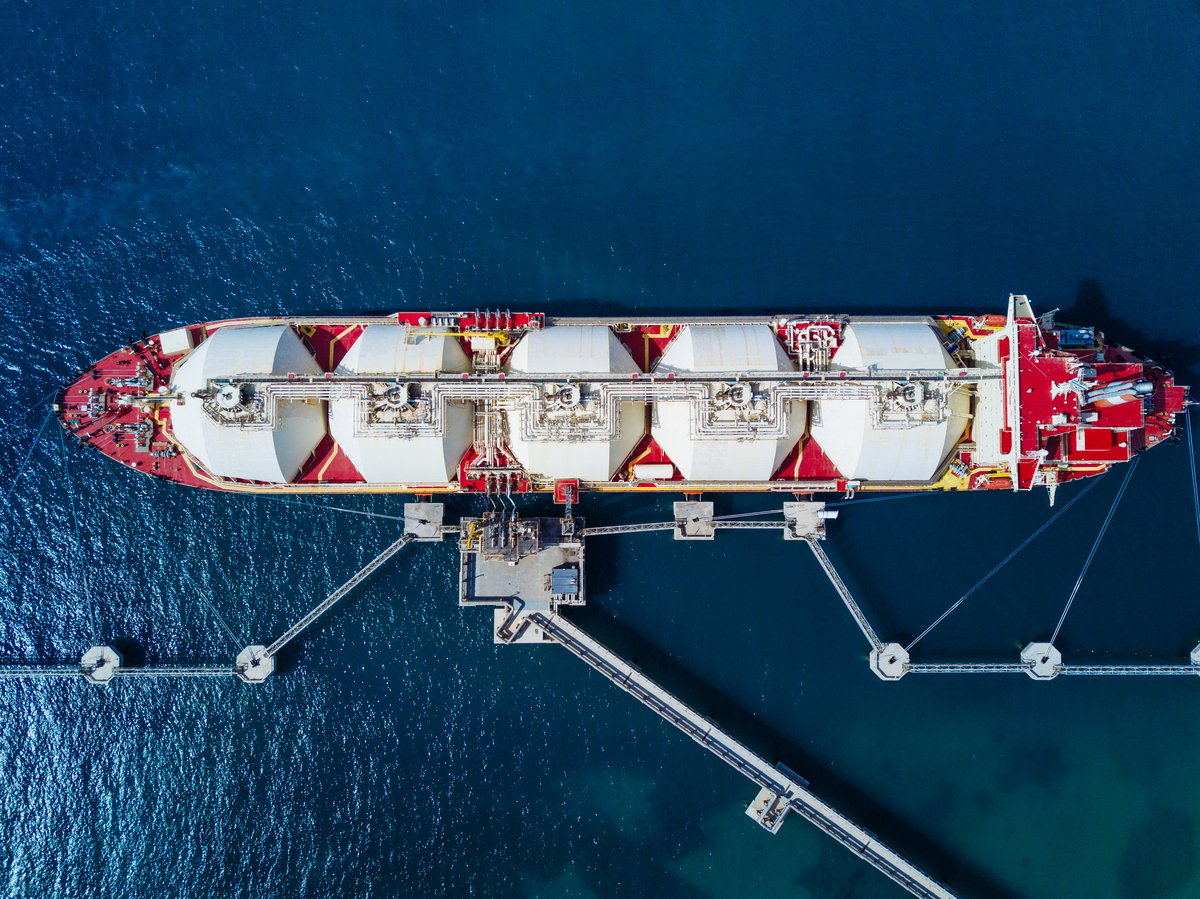
The war in Iran has effectively shut down traffic through the Strait of Hormuz, the maritime chokepoint connecting the Persian Gulf to the rest of the world, cutting off roughly 20% of global crude oil supply. Research firm Rapidan Energy has called this the “biggest oil supply disruption in history.”
Will AI create the world’s first trillionaire? Our team just released a report on the one little-known company, called an “Indispensable Monopoly” providing the critical technology Nvidia and Intel both need. Continue »
On Monday, Brent crude, a global benchmark, nearly hit $120 per barrel, a level not seen since Russia’s invasion of Ukraine in 2022. It’s since retreated to around $100, but it remains more than 38% higher than before the war began.
A spike like that has implications for the entire economy — and the stock market. The last three times oil prices surged this sharply, the S&P 500 followed a relatively consistent pattern.

The three most recent oil supply shocks occurred during the Gulf War in 1990, the financial crisis in 2008-09, and the Russia-Ukraine conflict in 2022. In each case, the S&P 500 followed a basic arc: a sell-off, a choppy bottoming process, and then a recovery once oil prices stabilized.
The 1990 Gulf War is the cleanest example. When Iraq invaded Kuwait and oil spiked, the S&P 500 fell about 16% over three months. But the conflict resolved relatively quickly, Saudi Arabia increased production to offset lost supply, and the market recovered within about six months of hitting bottom.

When Russia’s invasion of Ukraine choked off a significant portion of global oil and gas supply, inflation — which was already elevated from pandemic supply chain issues — accelerated sharply. The Federal Reserve responded by raising interest rates at the fastest pace in decades.
The S&P 500 dropped roughly 25% from its January 2022 peak before bottoming out in October of that year. But investors who held through that decline saw the index recover a little over a year after the market hit bottom.
The 2008 crash is more of an outlier. Oil hitting $147 per barrel was part of the story, but the housing collapse and banking meltdown were the primary forces driving a 57% decline in the S&P 500. Oil prices didn’t help the situation, but they were hardly a major cause of the collapse.