The ‘quadruple witching day’ occurs on the third Friday of March, June, September, and December, and is known for causing surges in trading volumes and sudden sharp fluctuations in asset prices.
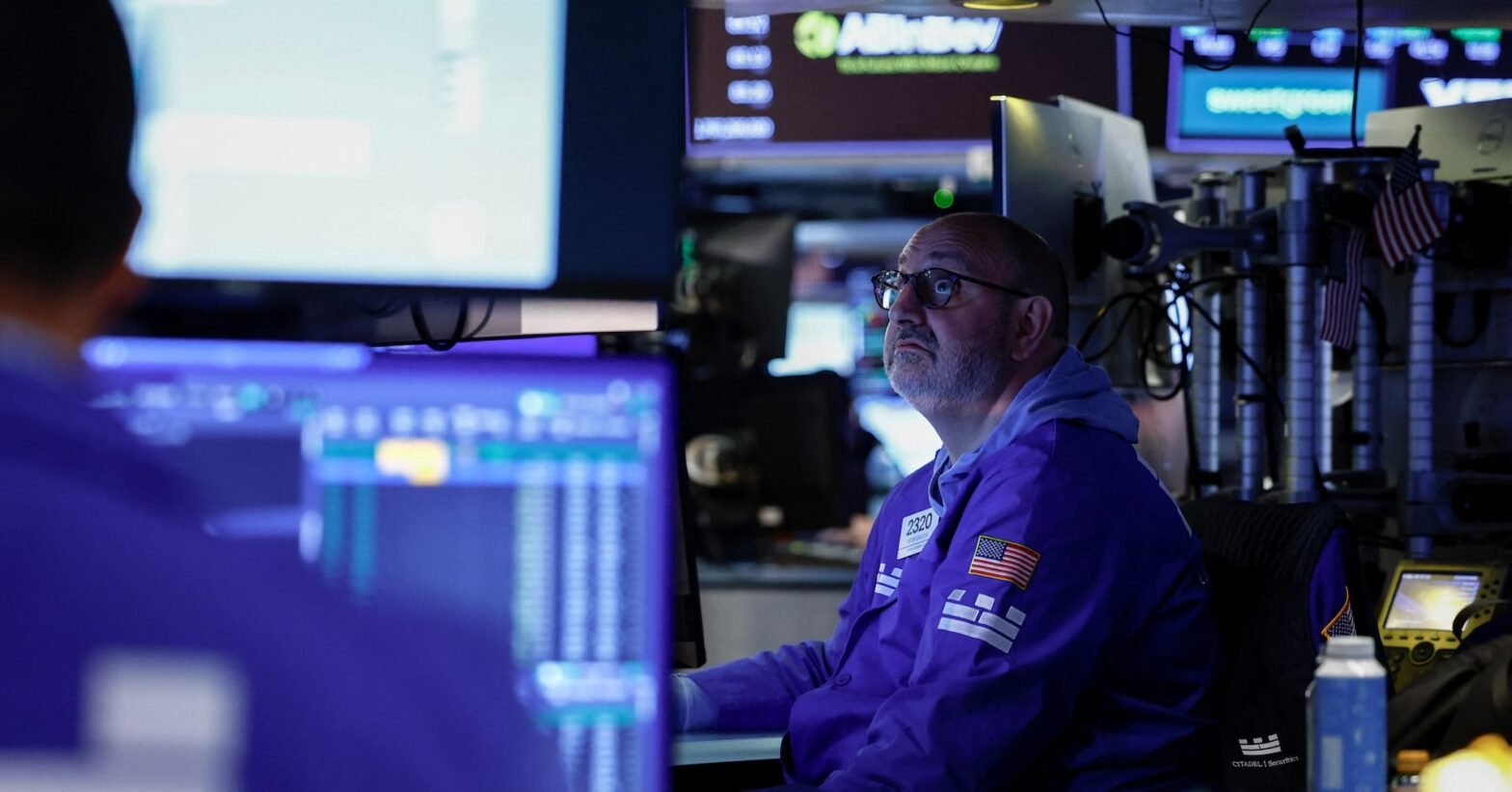
According to a report by Zhitong Finance, Goldman Sachs’ latest research report shows that the current U.S. stock market is at a critical juncture where both “crash” and “short squeeze” risks coexist. This also indicates that since the end of February, when the U.S./Israel airstrikes on Iran triggered a new round of geopolitical superstorms in the Middle East, global stock market volatility may intensify further. The U.S. stock market could experience record-breaking volatility this week during the “quadruple witching day.”
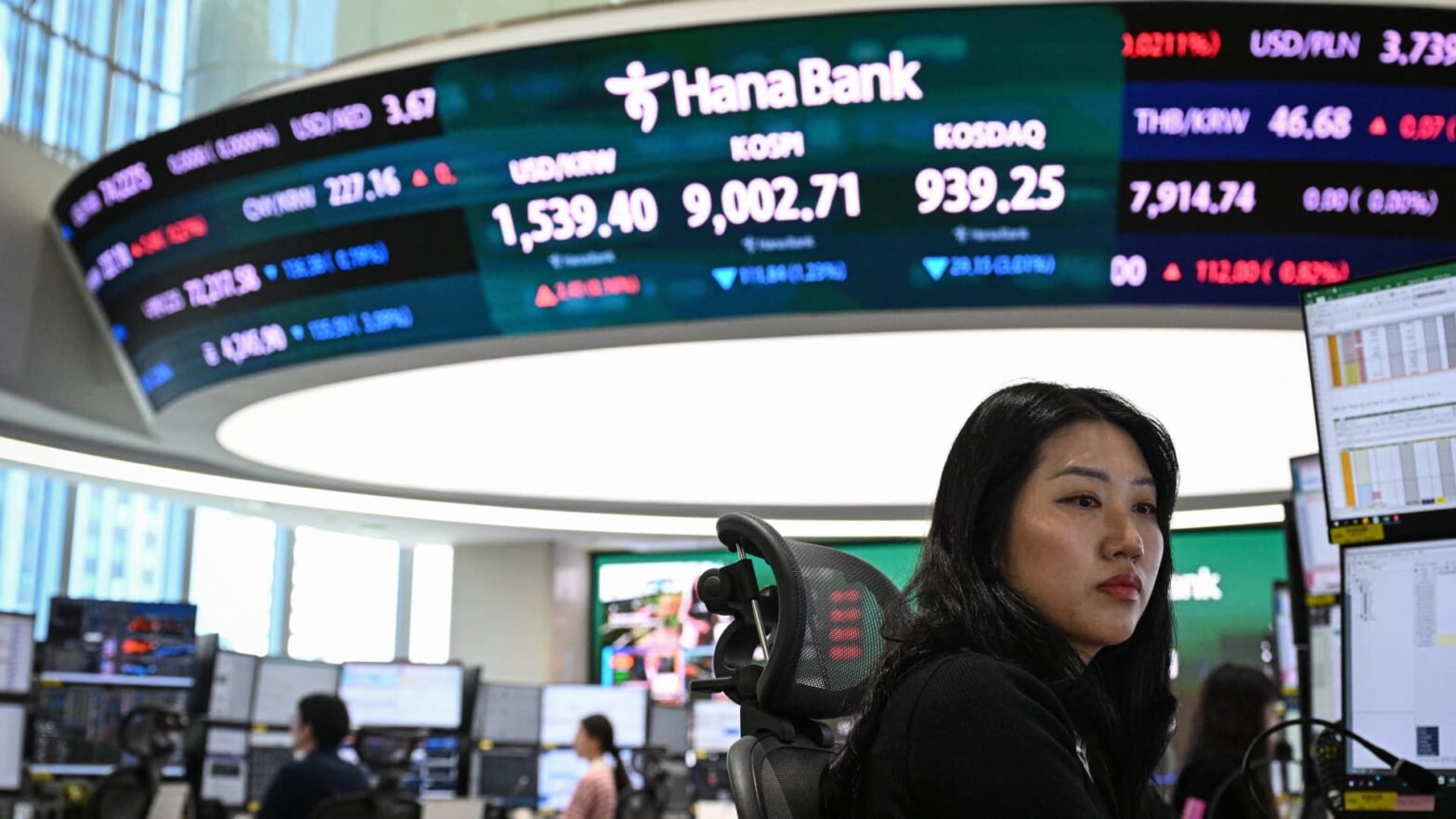
Amidst the unresolved Middle East conflict, high oil prices, and the concentrated expiration of derivatives this week, short-term volatility in global stock markets will likely amplify further. If there is no substantial improvement in the Middle Eastern geopolitical situation in a very short time frame, the U.S. stock market might witness unprecedented volatility during the quadruple witching day, with global stock market fluctuations becoming increasingly severe as well.
 The “quadruple witching day” occurs on the third Friday of March, June, September, and December, known for causing surges in trading volumes and sudden sharp fluctuations in asset prices, usually accompanied by large-scale rollovers and unwinding of old positions. Trading volumes on these days tend to spike, often peaking in the last hour as traders may make significant adjustments to their portfolios. However, since single-stock futures ceased trading in the U.S. market in 2020, the term “quadruple witching day” has become more symbolic, while the “triple witching day” (when index futures contracts, index options, and individual stock options expire simultaneously) better reflects actual trading conditions.
The phrase ‘high volatility is the common formidable enemy of all professional traders’ holds particularly true in the current environment. This high-volatility environment will likely persist, at least in the short term. The real damage to professional capital from such sharp fluctuations lies not only in the increased difficulty of predicting direction but also in its concurrent effects: raising hedging costs, reducing holding tolerance, compressing leverage efficiency, and making even correct fundamental analysis potentially lose to poor timing. In other words, what traders are now combating is not a single trend but multiple layers of noise created by oil price gaps, frequent market reversals, systematic fund rebalancing, and compounded panic over private credit and AI.
Critical interval where “crash risk” and “short squeeze risk” coexist
Hedge funds and institutional investors are currently maintaining extreme long positions in some individual stocks while significantly increasing short positions through ETFs and index futures, pushing short exposure in the U.S. stock market to its highest level since September 2022. Such an unusual positioning structure implies that as long as the geopolitical situation continues to deteriorate, the market will be more prone to downward imbalance; however, if a major positive catalyst suddenly appears, it could easily trigger an “extreme rebound.”
The Iran war and soaring oil prices are driving institutional capital to withdraw from U.S. equity risk assets at nearly “historical peak” levels, pushing the market to a highly fragile critical interval. According to Goldman Sachs data, during the week of March 3 to 10, global asset management institutions net sold $36.2 billion worth of S&P 500 futures, setting a record for the largest weekly reduction in over a decade. Meanwhile, short positions in U.S.-listed ETFs saw a historical surge, with overall short exposure in macro products rising to a three-year high. These developments strongly indicate that the current moves are not ordinary defensive repositioning but rather a systematic derisking operation involving simultaneous reductions in futures and shorting of ETFs, reflecting institutions’ heightened vigilance towards geopolitical shocks, oil-driven reflation, and stock market fragility.
The current market is at a critical point where “crash” and “short squeeze” risks coexist: On one hand, if the situation in Iran does not show significant easing within the next two weeks, the current extreme positioning and worsening sentiment could push indices even lower. On the other hand, since institutional net long positions have not been completely liquidated and massive short positions have accumulated, any signs of easing could rapidly lead to fierce short-covering rallies. In other words, the most dangerous aspect of the current U.S. stock market is not that the direction has been determined but that the direction remains uncertain while position structures have already become extreme. What truly determines the subsequent trend is whether the Middle East situation can achieve a substantive turning point in a short period of time.
The chapter of “high volatility” in global stock markets has not yet concluded.
With diplomatic progress remaining very limited, uncertainty surrounding the trajectory of this conflict continues to weigh heavily on global financial markets. Before stock markets return to a relatively calm period, they may endure several more weeks of intense volatility and turbulence. Some options market traders are betting that the most turbulent market conditions will persist for another week or even a month, after which a relatively stable trading pattern will resume following formal meetings between leaders of the world’s two largest economies.
Unless there is clearer and verifiable de-escalation in the Middle East situation, a noticeable retreat in oil prices, a complete release of systemic selling pressure in phases, and active digestion of macro-level risks, global equity markets in the short term are more likely to be in a high-volatility price discovery period rather than a stable trending phase.
Veteran Wall Street traders and some institutional investors are betting that the high volatility in global stock markets will continue at least in the short term (over the next month). The more reasonable baseline scenario for the current stock market is not a “one-sided crash” but rather “alternating episodes of sharp rallies and plunges under the constraints of elevated oil prices,” and such volatile swings may even persist until before the first anticipated ceasefire in the Middle East (i.e., June 30).
As military conflicts between the U.S./Israel and Iran continue, global financial markets remain turbulent. Investors are extremely uncertain about when a potential ceasefire might occur, and the market’s “real-money bets” regarding the timeline for a ceasefire have shifted significantly backward — from late March to the end of June or even the end of December. Ongoing military-grade attacks near the Strait of Hormuz — one of the world’s most crucial shipping corridors — undoubtedly continue to heighten concerns about disruptions to global trade, rising inflation, stagflation pressures, and sustained volatility in global stock markets.
Data from the prediction platform Polymarket, based on real-money bets, indicate that traders largely concur that an official ceasefire in this geopolitical conflict is more likely to occur in June or even in the second half of this year. Compared to early March, expectations now lean more toward a ceasefire in the latter half of the year rather than in the near term, as some optimistic Wall Street analysts had previously projected.
Current compiled probability data from Polymarket shows a 59% chance of a ceasefire being achieved by June 30 and a 77% chance by December 31, whereas the probability of reaching a ceasefire agreement before the end of March is significantly lower.
The market is not currently in a ‘post-panic bottom awaiting recovery’ phase but rather remains under prolonged selling pressure due to protracted geopolitical conflicts, oil prices reestablishing above $100, and continued erosion of asset valuations. Rich Privorotsky, head of trading at Goldman Sachs, believes that the real issue now is not whether sentiment has turned pessimistic but that fundamentals continue to deteriorate — with partial blockades of the Strait of Hormuz driving up energy costs, rising U.S. Treasury yields, a slow bleed in equities, and weak rebounds in emerging markets. This suggests that the market currently lacks a clear exit point to steadily rebuild risk appetite. In other words, while technical factors and positioning may support very short-term bounces, the macro outlook remains bearish.