Despite what some social media soothsayers may tell us, nobody knows when a stock market crash will happen nor what will cause it.
Nevertheless, fears about a market meltdown have been rising recently due to two obvious potential catalysts.
The first is the war in Iran, which understandably continues to dominate headlines. The supply disruptions could have devastating consequences for the global economy if the conflict drags on for months.
In this scenario, higher energy prices would heap more pressure on inflation-weary consumers and businesses. Making things worse, central banks would then be forced to start hiking interest rates again to try and tame inflation.
A lot of attention is focused on oil and liquefied natural gas, but a prolonged closure of the Strait of Hormuz would also see fertiliser supplies disrupted. So this could severely impact agriculture, leading to a spike in food prices.
With surging inflation, higher rates, poorer consumers, and weakening economies, the stock market could crack.
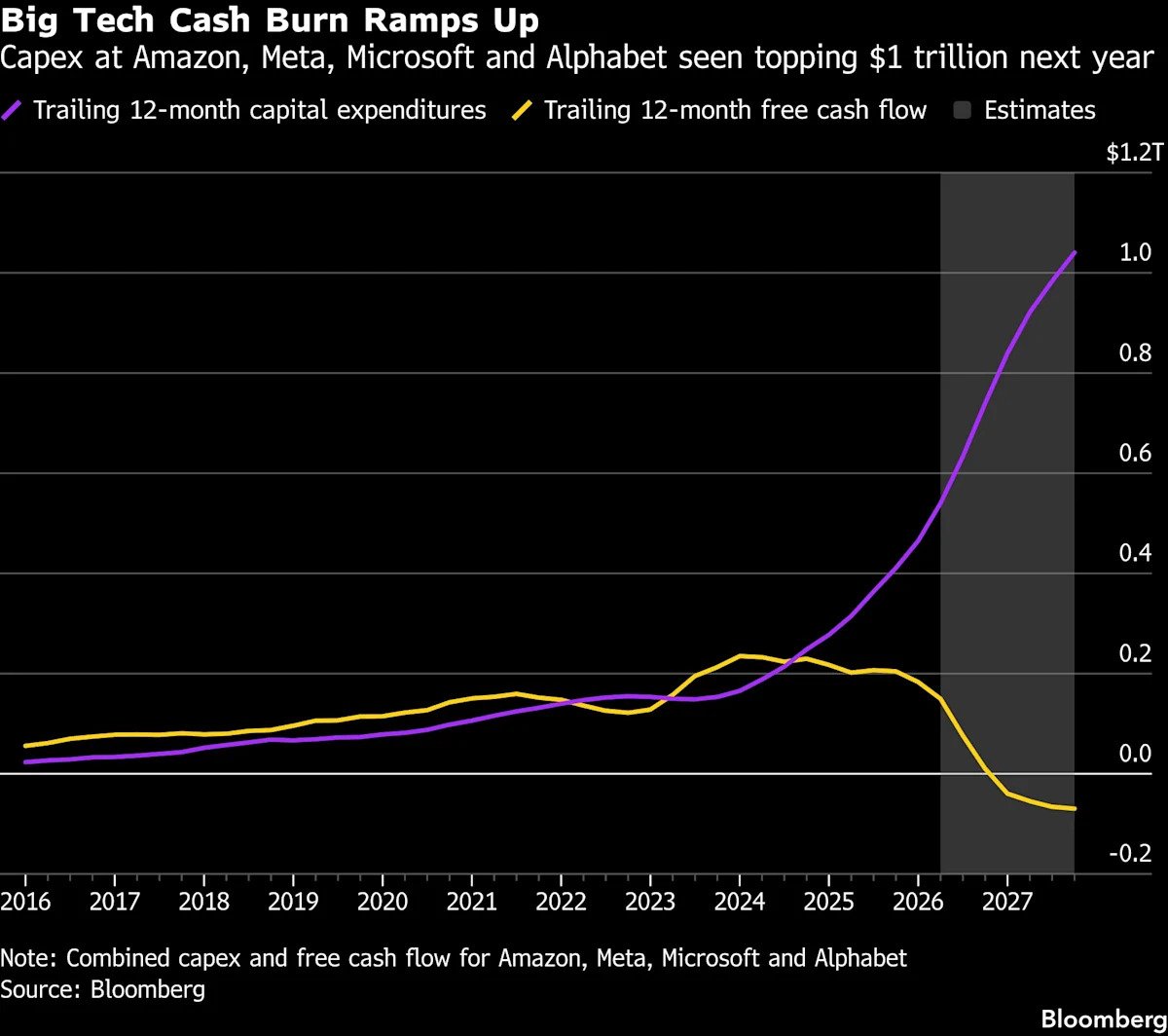
Another thing lurking in the background is the AI revolution. At first, the technology wowed investors, with its promise to dramatically increase productivity across multiple industries.
But as time goes on, more investors are worrying about the implications for jobs. In particular, white-collar workers who could be replaced by autonomous AI agents, as well as taxi drivers eventually from the rise of robotaxis (which are essentially AI computers on wheels).
Needless to say, the implications for consumer spending from this wouldn’t be great.
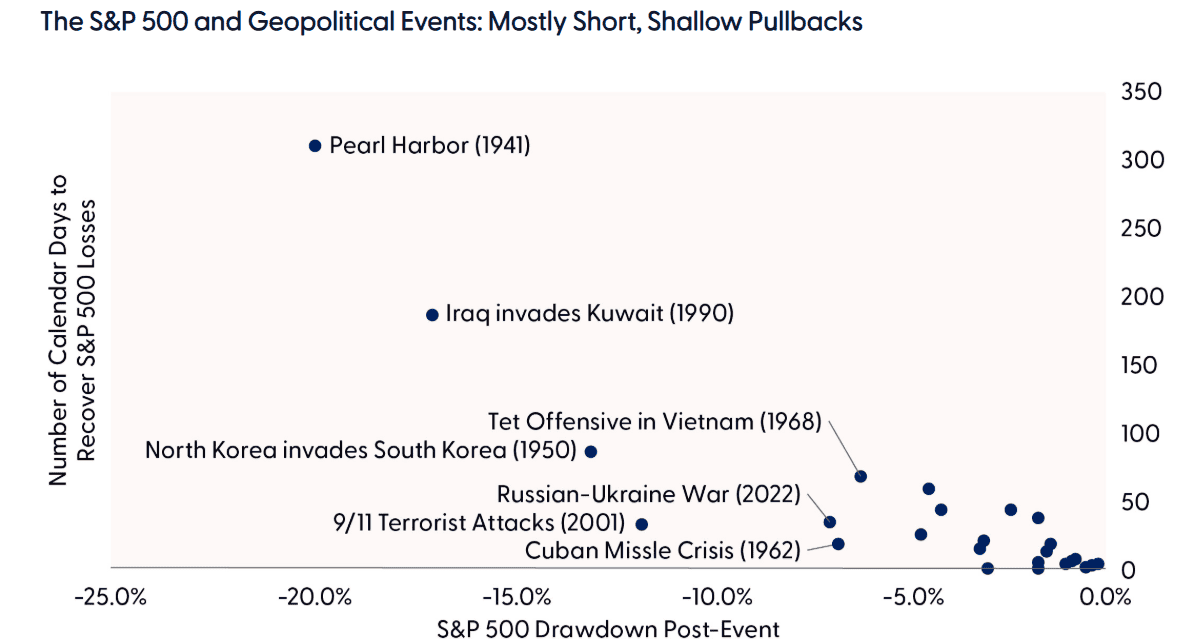
Now, as alarming as this sounds, I think some perspective can help investors. For example, research from LPL Financial shows that the average pullback of the S&P 500 after 26 separate geopolitical events over 80 years was 4.5% (ie, mostly not crashes).
These included some very scary events, like the Cuban Missile Crisis in 1962. LPL Financial writes: “History tells us that stocks will display their resilience on the other side after the fog of war clears.”
Stay Ahead of the Curve: Subscribe Now to Receive Instant Breaking News Alerts Directly to Your Inbox!
- Latest
- Popular