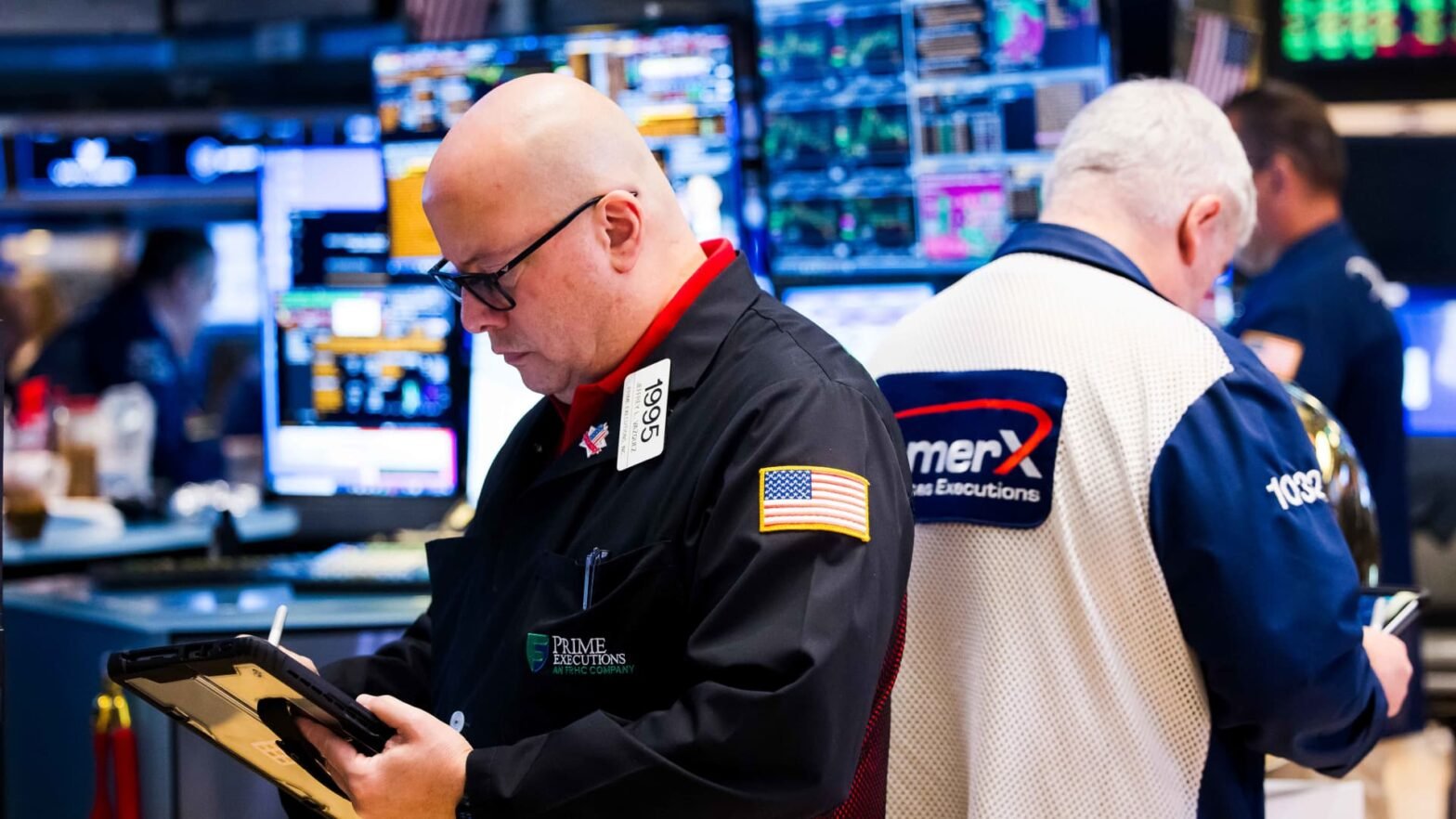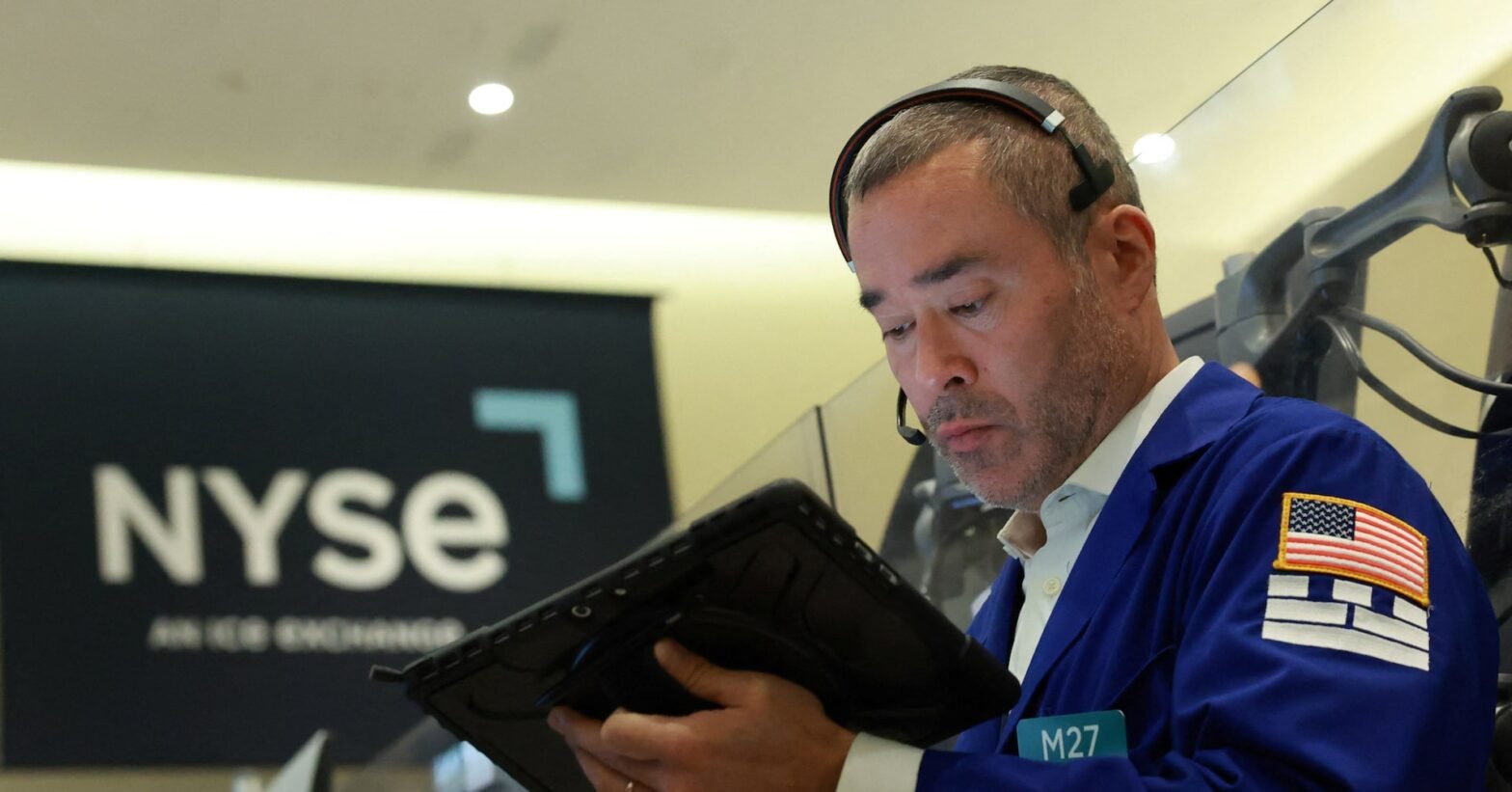

A Futures-options trader works on the floor at the New York Stock Exchange’s NYSE American (AMEX) in New York City, U.S., March 17, 2026. REUTERS/Brendan McDermid Purchase Licensing Rights, opens new tab
- Options traders’ crash fears near pre-strike levels
- TailDex and Cboe Skew Indexes show reduced crash protection costs
- Market anxiety remains higher than early February levels
NEW YORK, March 17 (Reuters) – Options traders’ fears of a U.S. stock market crash have pulled back nearly to levels seen before the U.S.-Israeli attacks on Iran that made oil prices soar.
The Nations TailDex Index
and the Cboe Skew Index
, two separate gauges that measure how much traders are paying for crash protection, have retreated to near where they stood before the February 28 strikes on Iran. The S&P 500 is still down 2% from pre-war levels.
Sign up here.
“TDEX is signaling that investors are now less worried about a “tail event,” or a really steep drop in equity prices, than at any point since the war started,” said Scott Nations, president of Nations Indexes, an independent developer of volatility and option strategy index products.
“Given the muted response from the S&P 500, this outlook makes sense, but it’s an important metric to watch,” he said.
On Monday, the TailDex index was at 18.84, just below its closing level of 19.01 on February 27. The Cboe SKEW index finished at 141.49 on Monday, down from 146.67 prior to the air strikes.
Both indexes soared to multi-month highs as soaring oil prices unleashed fear of a sizeable pullback in markets.
The cost of deep out-of-the-money S&P 500 puts – contracts that would offer protection against a 20% drop in the market over the next three months – stands just slightly higher than it was immediately prior to the strikes, according to Susquehanna Financial Group strategist Christopher Jacobson.
“After hitting multi-year highs at times last week, S&P skew levels have declined incrementally as some of that downside tail bid has faded alongside,” Jacobson said.
While fear of a market crash has faded, market anxiety levels are still higher than they were in early February. Nor are investors rushing to bet on a sharp rebound in stocks past old highs.
“We haven’t really seen that skew shift back towards the upside tail,” Jacobson said.
Reporting by Saqib Iqbal Ahmed, editing by Andrei Khalip
Our Standards: The Thomson Reuters Trust Principles., opens new tab