Geopolitics is no longer a background risk—it is becoming one of the primary forces shaping the US stock market.
From rising tensions in the Middle East to ongoing strategic competition between global powers, political developments are increasingly influencing sector performance, capital flows, and investor sentiment.
The result is a market that is no longer driven solely by earnings and interest rates—but also by global power dynamics.
A Market Driven by More Than Earnings
The has remained resilient, but beneath the surface, leadership is shifting.
Geopolitical tensions are now impacting:
- commodity prices
- supply chains
- trade relationships
- defence spending
- technology policy
This is creating a new market structure, where certain sectors benefit while others face increasing pressure.
1. Energy Is Back at the Centre of Markets
One of the most immediate effects of geopolitical tensions is in oil and energy markets.
Conflicts involving key regions—especially around major shipping routes—have increased the risk of supply disruptions.
Companies benefiting include:
- Exxon Mobil (NYSE:)
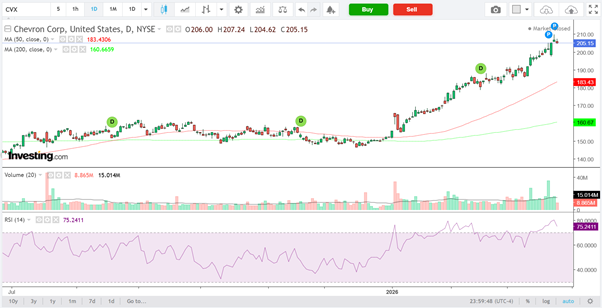
- Chevron (NYSE:)
What’s changing
- higher baseline oil prices
- increased volatility
- stronger cash flows for producers
Energy is once again becoming a core driver of market performance, not just a cyclical sector.
2. Defence Spending Is Creating Structural Winners
Geopolitical tensions are driving a global increase in military spending.
This benefits defence contractors such as:
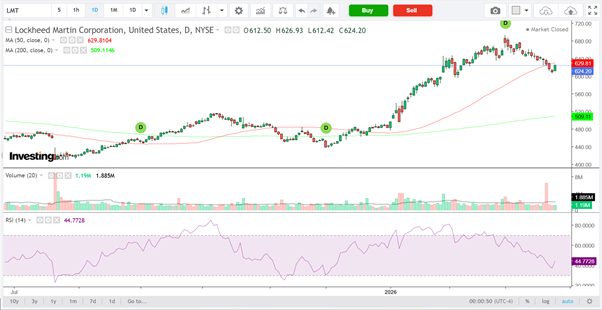
- Lockheed Martin (NYSE:)
- Rtx Corporation (NYSE:)
Key trend
- long-term contracts
- rising global defence budgets
- increased demand for advanced weapons systems
Unlike previous cycles, this trend appears structural rather than temporary.
3. Supply Chains Are Being Rewritten
Globalization is evolving into a more fragmented system.
Companies are shifting from efficiency to resilience, leading to:
- reshoring manufacturing
- diversification of supply chains
- reduced dependence on single regions
This shift has major implications for companies like:
- Apple (NASDAQ:)
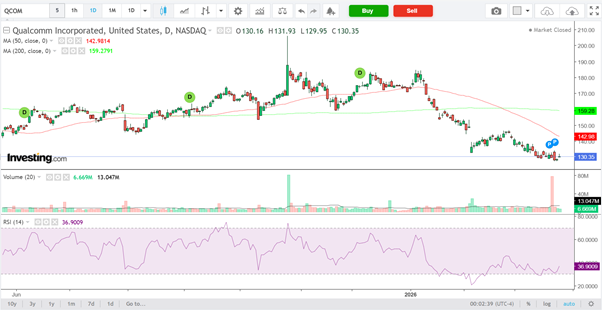
- Qualcomm (NASDAQ:)
Impact
- higher costs
- capital investment increases
- operational complexity
4. Technology Is Becoming a Strategic Asset
Technology is no longer just about innovation—it is now a geopolitical tool.
Competition in areas such as:
- artificial intelligence
- semiconductors
- cybersecurity
is intensifying between major global powers.
Key companies involved include:
- Nvidia (NASDAQ:)
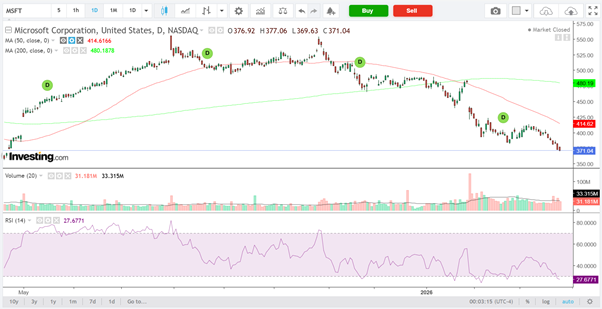
- Microsoft (NASDAQ:)
Governments are increasingly shaping the direction of these industries through regulation and investment.
5. New “Hidden Winners” Are Emerging
Beyond traditional sectors, geopolitical tensions are benefiting less obvious industries:
- cybersecurity companies
- data infrastructure providers
- industrial and infrastructure firms
Examples:
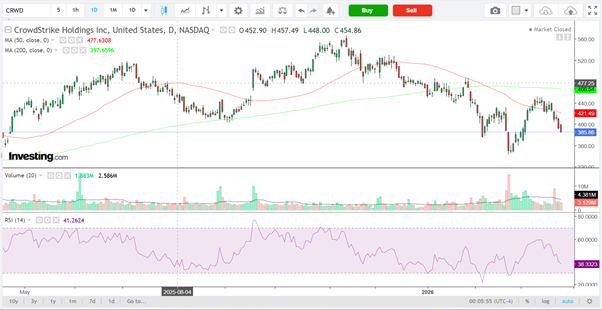
- CrowdStrike (NASDAQ:)
- Caterpillar (NYSE:)
These companies benefit from long-term structural shifts, not just short-term events.
What Comes Next for Markets
Geopolitics is likely to remain a dominant theme in the coming years.
Several scenarios could shape the next phase of the market:
Scenario 1: Controlled Tensions
- markets remain stable
- energy prices stay elevated but manageable
- selective sector outperformance continues
Scenario 2: Escalation
- sharp oil price spikes
- increased volatility
- rotation into defensive assets
Scenario 3: De-escalation
- risk-on sentiment returns
- growth stocks regain momentum
- broader market participation improves
What Investors Should Watch
To navigate this environment, investors should monitor:
- oil price movements
- defence spending trends
- trade policy developments
- supply chain shifts
- geopolitical flashpoints
These factors are increasingly important in determining market direction.
The US stock market is entering a new phase—one where geopolitics plays a central role alongside economic fundamentals.
Energy, defence, and strategic technology sectors are becoming increasingly important, while globally exposed companies face new risks.
For investors, understanding how geopolitical forces shape markets is no longer optional—it is essential.
Because in today’s environment, the next major market move may not be driven by earnings or interest rates—but by events unfolding far beyond Wall Street.