NEW YORK (AP) — The U.S. stock market is ticking lower on Wednesday with the countdown to an afternoon announcement coming from the Federal Reserve on what it will do with interest rates. Oil prices, meanwhile, continued to spurt higher because of the war with Iran.
The S&P 500 slipped 0.2%, a day after falling from its all-time high due to drops for artificial-intelligence stocks and worries about higher oil prices. The Dow Jones Industrial Average was down 97 points, or 0.2%, as of 9:35 a.m. Eastern time, and the Nasdaq composite was 0.4% lower.
Another procession of profit reports from companies showing stronger growth for the start of 2026 than analysts expected helped support the market.
Visa jumped 10% after delivering stronger results than analysts expected, and CEO Ryan McInerney said consumer spending remained resilient in the quarter. Starbucks climbed 4.6% after likewise reporting better results than expected, while saying customers spent more at each visit, particularly at its North American stores.
Most companies so far this earnings reporting season have been topping analysts’ expectations, which has helped the U.S. stock market rally to records despite the high gasoline costs and soured confidence among U.S. households caused by the Iran war.
But those not meeting expectations have gotten punished. GE Healthcare Technologies dropped 12.3% after falling short of analysts’ forecasts. Robinhood Markets tumbled 11.2% after reporting growth in profit that was not as strong as analysts expected.
Booking Holdings fell 2.4% even though it topped analysts’ expectations for both profit and revenue. The online travel company said that the war with Iran is affecting its results and kept some potential customers from booking rooms during the latest quarter.
The company behind Booking.com, Priceline and other brands is expecting the conflict to continue affecting its business through the end of June. It could affect travel not only in the Middle East specifically but also in major transit corridors, such as between Europe and Asia.
The clearest result in financial markets of the war with Iran is how high oil prices have jumped. The price for a barrel of Brent crude to be delivered in June rose again Wednesday, up 5% to $116.80. Brent for delivery in July, which is where more of the trading is happening in the oil market, rose 4.9% to $109.51.
Brent’s price is approaching its high point of the war, slightly above $119 per barrel, and is well above its roughly $70 level from before the war began.
That increase is one of the reasons virtually all of Wall Street believes the Federal Reserve will not announce a resumption to its cuts to interest rates in the afternoon. While lower rates can help the economy, they also risk worsening inflation.
The consensus among traders is instead that the Fed will hold the federal funds rate steady in what’s likely to be Jerome Powell’s final Fed meeting as its chair. The bigger question is whether Powell will say if he’s staying on at the Fed after ceding the chairmanship. He has been a target of President Donald Trump’s anger for not cutting interest rates more quickly and more sharply.
The yield on the 10-year Treasury rose to 4.38% from 4.36% late Tuesday following the latest rise in oil prices.
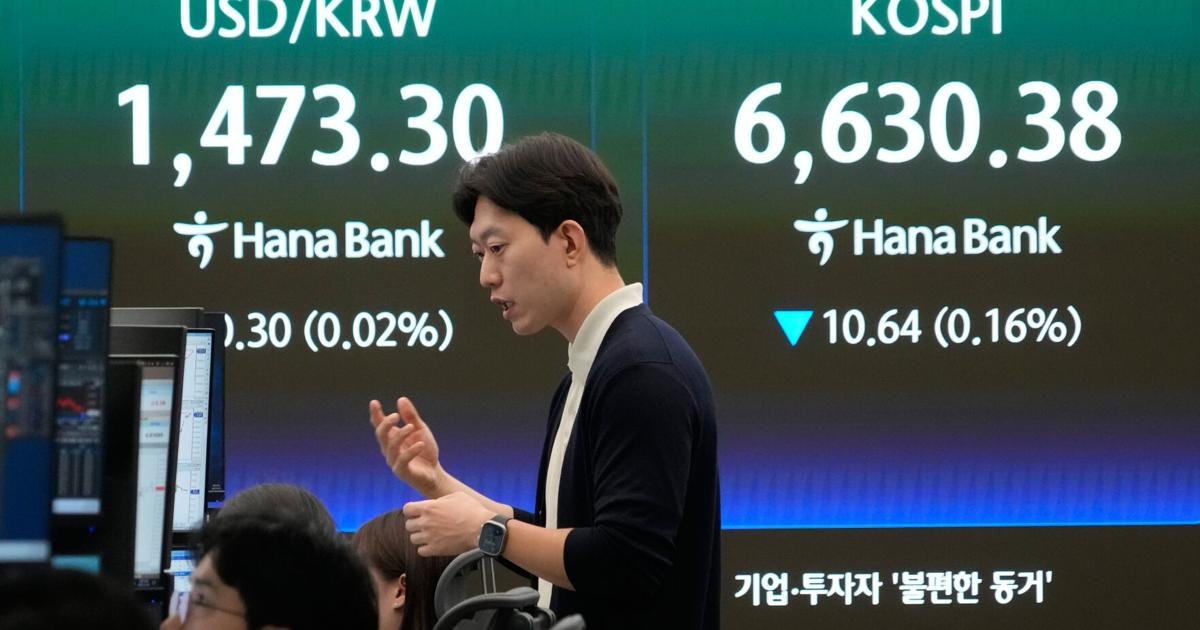
In stock markets abroad, indexes were mixed in Europe following a stronger finish in Asia. Hong Kong’s Hang Seng jumped 1.7% for one of the world’s strongest moves.
AP Business Writer Chan Ho-him contributed to this report.
Copyright 2026 The Associated Press. All rights reserved. This material may not be published, broadcast, rewritten or redistributed without permission.