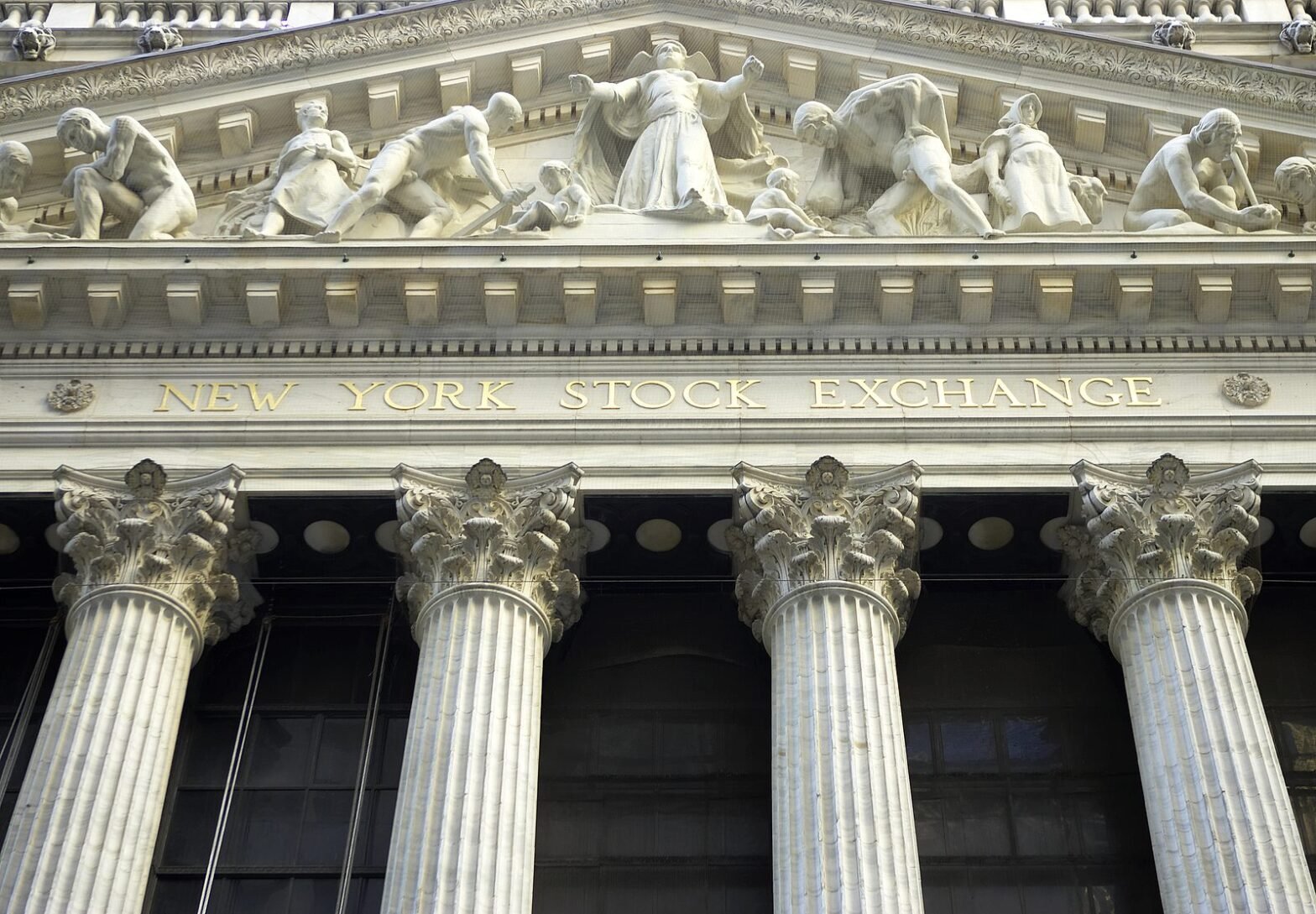
US Stock Market – Explore the comprehensive US Stock Market Weekly Recap for the week ending July 24, 2026. Major indexes including the S&P 500, Nasdaq, and Dow drifted lower as surging oil prices driven by Middle East geopolitical tensions and mounting scrutiny over massive artificial intelligence (AI) capital expenditures triggered widespread profit-taking and tech sector volatility.
NEW YORK – July 25, 2026 (STL.News) US Stock Market – The United States stock market experienced a volatile and ultimately downward-trending week as investors navigated a complex matrix of macroeconomic data, escalating geopolitical flashpoints, and high-stakes corporate earnings reports from big tech leaders. As Wall Street closed the books on the trading week ending July 24, 2026, benchmark indexes were pressured by a confluence of rising crude oil prices, renewed inflation anxiety, and mounting skepticism about the immediate return on investment for artificial intelligence infrastructure.
US Stock Market Snapshot (Week Ending July 24, 2026)
US Stock Market – Geopolitical Pressures and the Energy Market Surge
Trading activity kicked off on a cautious note as intensified conflict in the Middle East sparked renewed fears of global supply chain disruptions. Crude oil prices climbed sharply over the first half of the week, reacting to heightened tensions involving major energy corridors. Although crude pulled back slightly by Friday as Brent settled near $96.78 a barrel, the commodity surge injected a fresh wave of risk aversion into domestic equity markets, reminding traders that geopolitical instability remains a potent catalyst for market corrections.
Higher oil prices historically act as a tax on consumers and corporate operations alike, instantly stoking fears that hard-fought progress on inflation could face an unexpected reversal. Fixed-income markets reacted swiftly, with Treasury yields moving upward as bond investors priced in the rising probability that central bankers might maintain higher interest rates for a longer duration to combat lingering energy pressures.
US Stock Market – The Great Inflation Debate: Soft Landing Realities
Amid the geopolitical headwinds, the economic calendar delivered a surprising bright spot earlier in the month. The Consumer Price Index (CPI) dropped 0.4% on a month-over-month basis in June, marking the first outright monthly decline in consumer prices since April 2020. This milestone was complemented by a surprise drop in wholesale prices via the Producer Price Index (PPI).
These encouraging figures led prominent Federal Reserve officials to signal that domestic inflation may have peaked. However, the positive macroeconomic data failed to insulate equities from sector-specific headwinds. While cooler inflation traditionally supports rate-cut optimism, the simultaneous spike in crude oil prices created a conflicting narrative, leaving Wall Street uncertain about the Federal Reserve’s policy maneuvers ahead of its upcoming late-July interest rate decision.
US Stock Market – Big Tech Earnings and the AI Capital Expenditure Debate
The primary driver of the week’s losses, however, emanated from corporate earnings and the technology sector. Semiconductor manufacturers, which had powered much of the market’s run earlier in the year, faced relentless selling pressure. Investors began questioning whether the astronomical sums being poured into artificial intelligence infrastructure would yield proportional financial returns in the near term.
The anxieties intensified mid-week when industry heavyweights reported earnings. Alphabet reported strong quarterly metrics but rattled market confidence by aggressively raising its capital expenditure targets to over $200 billion, largely directed toward AI data centers and computing power. Simultaneously, Tesla revealed a notable cash burn and heavier future outlays to support its autonomous driving and AI initiatives. These disclosures triggered a sharp sell-off in big tech shares, dragging the S&P 500 and Nasdaq Composite into negative territory.
US Stock Market – Sector Divergences and Looking Ahead
While technology and consumer discretionary sectors bore the brunt of the liquidation—with the Nasdaq leading weekly declines—pockets of the broader market showed resilience. Energy sectors benefited directly from the crude oil rally, while select value stocks attracted capital from investors rotating away from hyper-valued growth equities.
As market participants look ahead to the final week of July, attention turns toward the next stretch of corporate earnings season, featuring reports from the remaining “Magnificent Seven” giants, alongside the Federal Reserve’s highly anticipated monetary policy announcement. Wall Street stands at a critical crossroads: balancing robust economic resilience against elevated asset valuations and shifting monetary policy expectations.
Reported and compiled by the STL News Financial Markets Desk. Published in St. Louis, Missouri.