Trevor Jennewine, The Motley Fool
5 min read
The S&P 500 (SNPINDEX: ^GSPC) and Nasdaq Composite (NASDAQINDEX: ^IXIC) are up 8% and 6%, respectively, year to date. But whether the stock market can maintain its momentum is questionable.
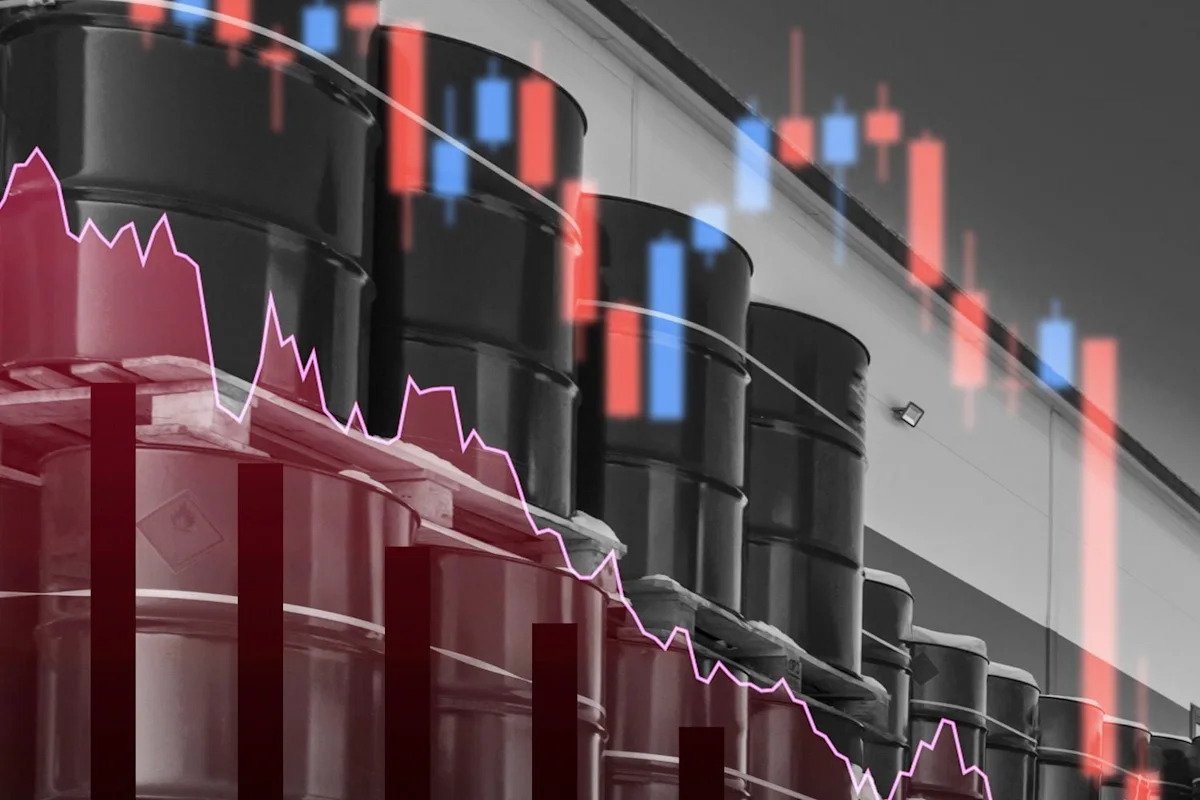
Investors recently got some bad news about President Trump’s economy: As of July 28, oil prices have risen 30% month to date amid renewed hostilities between the U.S. and Iran, and the market now anticipates two interest rate hikes from the Federal Reserve this year.
Missed Nvidia in 2009? This Rare Signal Is Flashing Again. In 2009, a “Double Down” signal flashed for a little-known chipmaker called Nvidia. For the first time in years, that same “Total Conviction” signal is flashing for a company 1/100th the size of Nvidia. Continue »
History suggests that a shift in monetary policy will drag the S&P 500 and Nasdaq Composite into correction territory. Here are the important details.

Investors expect the Federal Reserve to raise interest rates twice by December
CME Group‘s FedWatch tool uses futures prices (tied to the federal funds rate) to calculate the odds of future monetary policy decisions. In other words, it translates what traders are willing to pay for futures contracts into percentage probabilities that the Federal Reserve will raise, lower, or keep interest rates steady at future meetings.
In January, the market expected two quarter-point rate cuts this year. In March, the case for rate cuts began to crumble as the Iran conflict caused the largest oil supply disruption in history, driving inflation to a multiyear high. By May, the probability of rate cuts had fallen to zero, and investors were betting the Fed would hold rates steady.
Today, the FedWatch tool signals two quarter-point rate hikes before year’s end, one at the FOMC meeting in September and another at the meeting in December. That’s because the Iran conflict reescalated after a short-lived ceasefire collapsed earlier this month, such that Brent crude oil prices (an international benchmark) have increased about 30% in the last 30 days.
Frank Flight, head of macro strategy at Citadel Securities, expects the Fed to raise rates at the meeting that ends on July 29. “The market may once again be underestimating the extent of the hawkish shift at the Fed,” he wrote in a note to clients. Flight argues that a rate hike would help restore price stability while also refuting the idea that President Trump compromised the Fed’s independence through his nomination of Kevin Warsh.
When the Fed pivots to rate hikes, stock market corrections often follow