Just when it seemed that Kevin Warsh’s job was difficult enough, the July jobs report, released on Aug. 7, added another layer of complexity, and it could complicate the outlook for the stock market, too.
The new Federal Reserve chair took his position in May of this year amid elevated and persistent inflation. After spiking above 9% in the wake of the COVID-19 pandemic, the overall price level has been declining steadily in recent years. But the U.S. war on Iran, which began in late February, has pushed the inflation rate back up in recent months.
Headline inflation was 3.5% over the past 12 months (as of June, the latest reading available). Even when you exclude volatile food and energy items, prices rose 2.6% over the past year. That’s well above the Fed’s long-term target of 2%.
But with a seemingly resilient labor market, Warsh has been focused squarely on the inflation side of the Fed’s dual mandate (the other side is maximum employment).

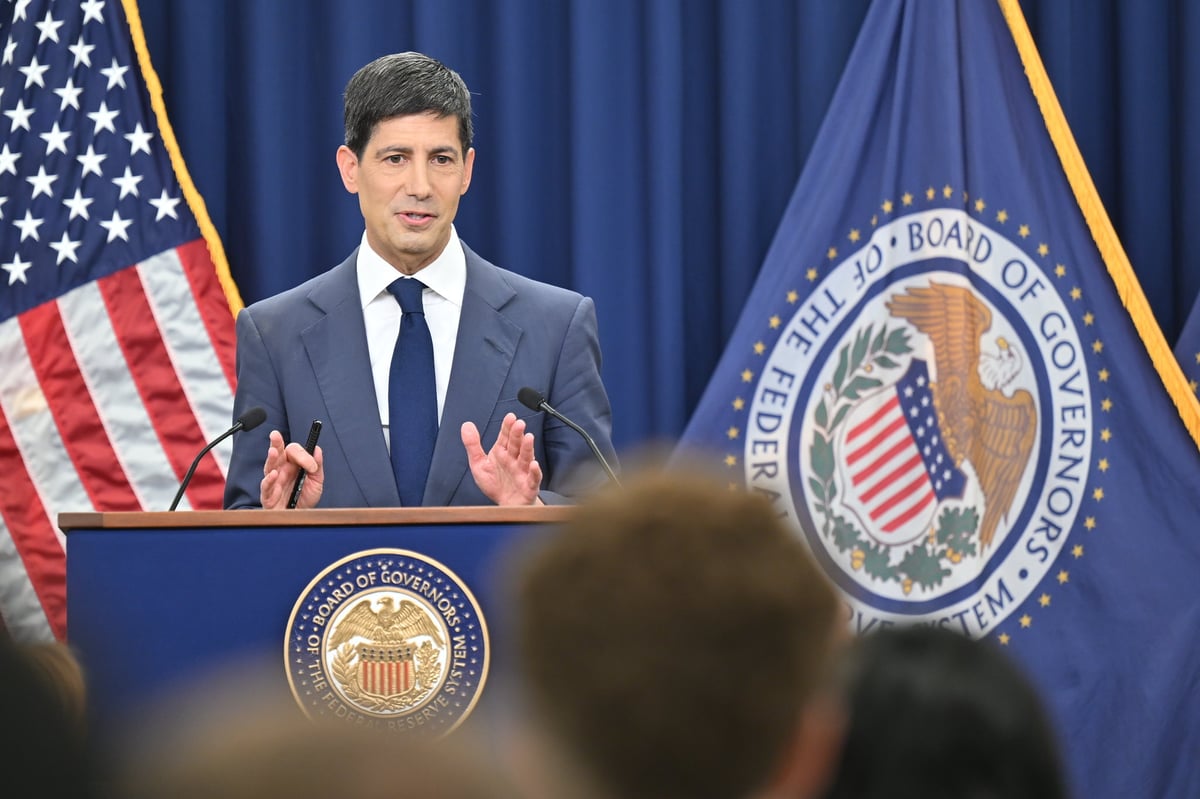
Federal Reserve Chair Kevin Warsh. Image source: Federal Reserve.
That was upended Friday with the publication of the July jobs report. According to the Bureau of Labor Statistics, which publishes that data, the U.S. economy shed 23,000 jobs in July. And it doesn’t appear to be an anomaly. Job gains have been falling since March. The economy added 214,000 new jobs that month, yet the gains have been smaller each month since then, with just 20,000 new positions in June.
Some will point to the unemployment rate, which ticked down from 4.2% to 4.1% in July. But that’s primarily due to a drop in the labor participation rate, as fewer Americans are working or looking for work. And people who aren’t looking for work are not counted as unemployed.
Taken together, the data suggest the U.S. economy is weaker than many economists expected.
The market’s initial reaction to the jobs report was positive
What does it mean for stocks?
Well, initially, the markets reacted positively to the data because it suggests the Fed may be less likely to hike its target interest rate in the coming months. In fact, futures markets are now pricing in a 58% chance that the Fed will stand pat on rates at its September monetary policy meeting. Just last week, they put the likelihood of a rate hike in September at 67%.
With expectations of an interest rate hike falling, market indexes rose. The S&P 500 index was up 0.6% in mid-morning trading on Friday, just hours after the jobs report landed. And the tech-heavy Nasdaq Composite rose more than 1%.
Yet if it turns out that the U.S. economy is indeed weakening, Warsh’s hands may be tied, and financial market participants will have more to worry about than a Fed rate hike.