Joseph Zeballos-Roig
4 min read
Mistakes come in different sizes. For Larry Fink, one mistake cost his trading firm $100 million.
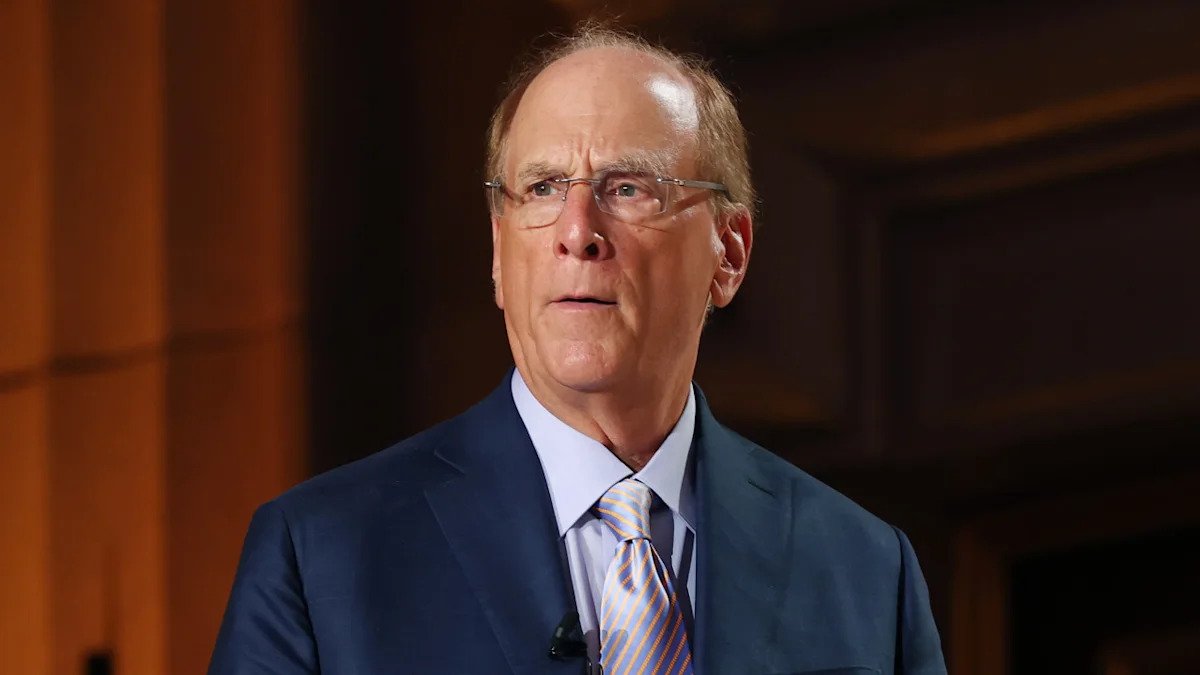
Larry Fink is the CEO of BlackRock [NYSE: BLK], an investment firm now managing over $15 trillion in assets owned by ordinary pensioners and sovereign wealth funds alike. In the year’s second quarter, BlackRock pulled $192 billion in new client cash with the U.S. stock market locking in new highs. He believes there’s even more room for equity growth, thanks in part to the AI boom that’s taken Wall Street by storm.
Must Read
-
Jeff Bezos backs a platform that lets anyone invest in rental homes for as little as $100 — 6 ways to build wealth like a landlord without actually being one
-
Dave Ramsey warns nearly 50% of Americans are making 1 big Social Security mistake. Here’s what it is and 3 simple steps to fix it ASAP
-
The tax breaks in Trump’s ‘big beautiful bill’ expire after 2028. Here are 4 moves to make before the window closes
“Returns are broadening beyond the U.S,” Fink told investors in a June earnings call. “We see great market fundamentals with higher corporate margins and earnings momentum catalyzed by new technology.”
Fink said BlackRock, the firm he had founded in the late 1980s, was a “direct beneficiary of this growth.”
Yet, Fink wasn’t always a Wall Street success story. Earlier in his career, Fink made a mistake that cost another firm $100 million and led to his ouster.
The $100 million blunder
Fink began working for the First Boston Corporation in 1976 as a bond trader. Over the next decade, he climbed up the ladder at First Boston, becoming one of the youngest managing directors at the company at 26 years old, leading a desk devoted to trading mortgage-backed securities. He was later tapped to join First Boston’s management committee in 1983.
Then came a period of trades that transformed his armor into an anvil. Over the second quarter in 1986, Fink’s desk lost $100 million. The culprit: plunging interest rates. Fink and his team had staked out positions betting rates would climb. When they didn’t, those trades were demolished alongside hedges meant to shield them from the risk. By 1988, Fink was out at First Boston.
“My team and I felt like rock stars. Management loved us. I was on track to become CEO of the firm,” Fink once said in a speech. “Well, I screwed up. And it was bad.”
Fink later described that chapter as an instructive one that showed Wall Street firms hadn’t developed adequate risk management tools or procedures to ensure healthy portfolios.
“We didn’t know why we were making so much money. We didn’t have the risk tools to understand that risk,” Fink said in a 2010 interview with Vanity Fair. “It’s what I tell everybody today: You should analyze your portfolio just as much when you are making money, because you could be taking on too much risk.”