A pricey S&P 500 (especially when set against a backdrop of inflation, high energy prices, and geopolitical uncertainty) can make the stock market look like a poor place to park new money.
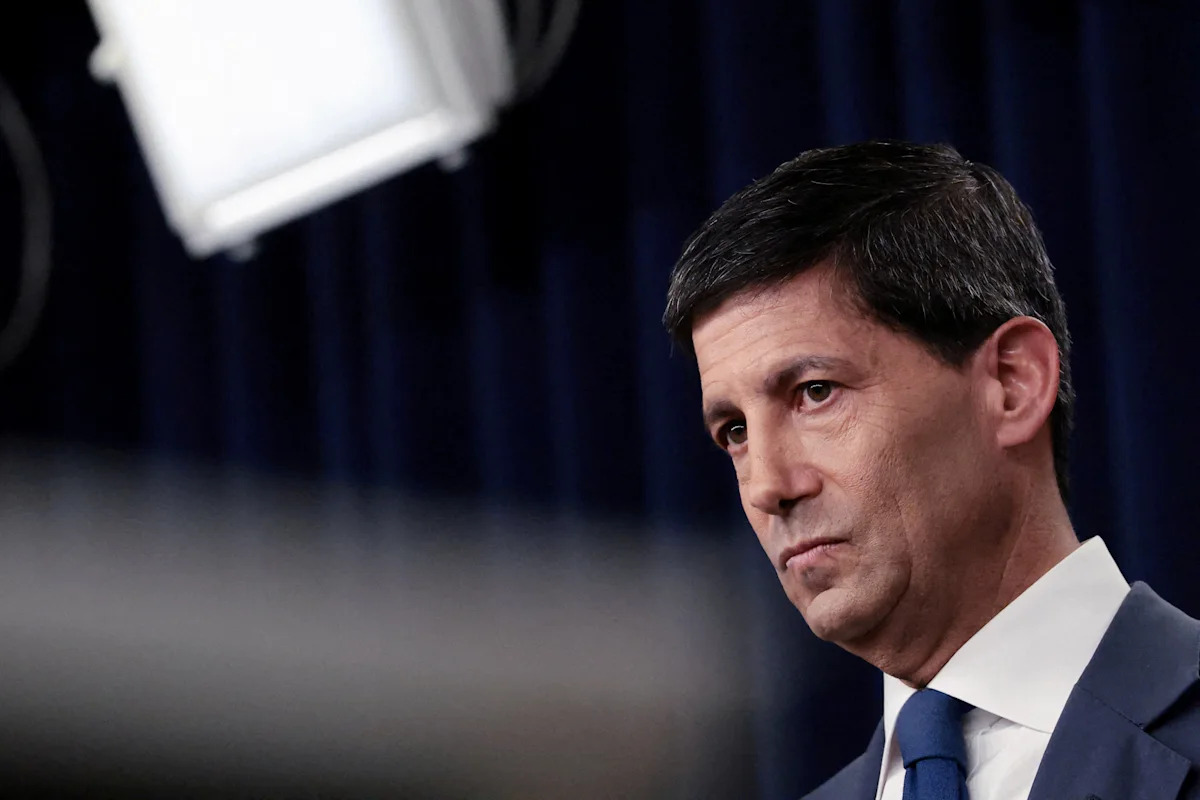
Josh Wein, portfolio manager of the Hennessy Cornerstone Growth Fund at Hennessy Funds, sees a more nuanced picture. He says the index’s roughly 21-times-earnings valuation is heavily shaped by its largest companies, while many S&P 500 stocks, especially mid-caps, are actually trading at lower multiples.
For investors who already own broad index funds, his practical point is to check whether market-cap weighting has left their portfolios overly dependent on a handful of mega-cap winners, then consider whether mid-caps can add diversification in an increasingly uncertain market.
Who is Josh Wein & why should we listen to him?
Wein recently sat down with TheStreet’s Caroline Woods to discuss the S&P’s hidden gems amid an uncertain market. He currently works at Hennessey Funds, a firm that designs and manages both mutual funds and ETFs, with a total of $4.1 billion in assets under management.
Prior to becoming a fund manager at Hennessey, Wein was the Director of Alternative Investments and co-portfolio manager at Sterling Capital Management and served as a portfolio manager at Bellator Capital Partners. He also worked as an associate equity research analyst at First Union Securities.
At Hennessy, Wein manages or co-manages a total of 10 different funds, including the company’s Cornerstone Mid Cap 30 Fund, a concentrated, actively managed portfolio comprising just 30 companies, hand-selected from the mid-cap market for their momentum, earnings growth, and fundamentals.
These are the types of stocks he highlights as potential opportunities buried in the S&P 500 in today’s market.

Why consider mid-caps in today’s uncertain market?
As we edge closer to the fourth quarter after witnessing the first Federal funds rate increase since 2023, calls for an impending pullback, bear market, or even market crash have increased in both frequency and urgency. On Sep. 18, for instance, The Motley Fool’s Dana George wrote a piece titled, “A Bear Market Is Coming — We Just Don’t Know When.”
No one knows when exactly it will happen, but most agree we’re overdue for some kind of correction. On average, there are 3.5 years or so between bear markets, and we’re already 4 years past our last. And when equities do fall, most think the mega-cap tech giants deeply tied to the AI spending and buildout frenzy will fall the hardest.