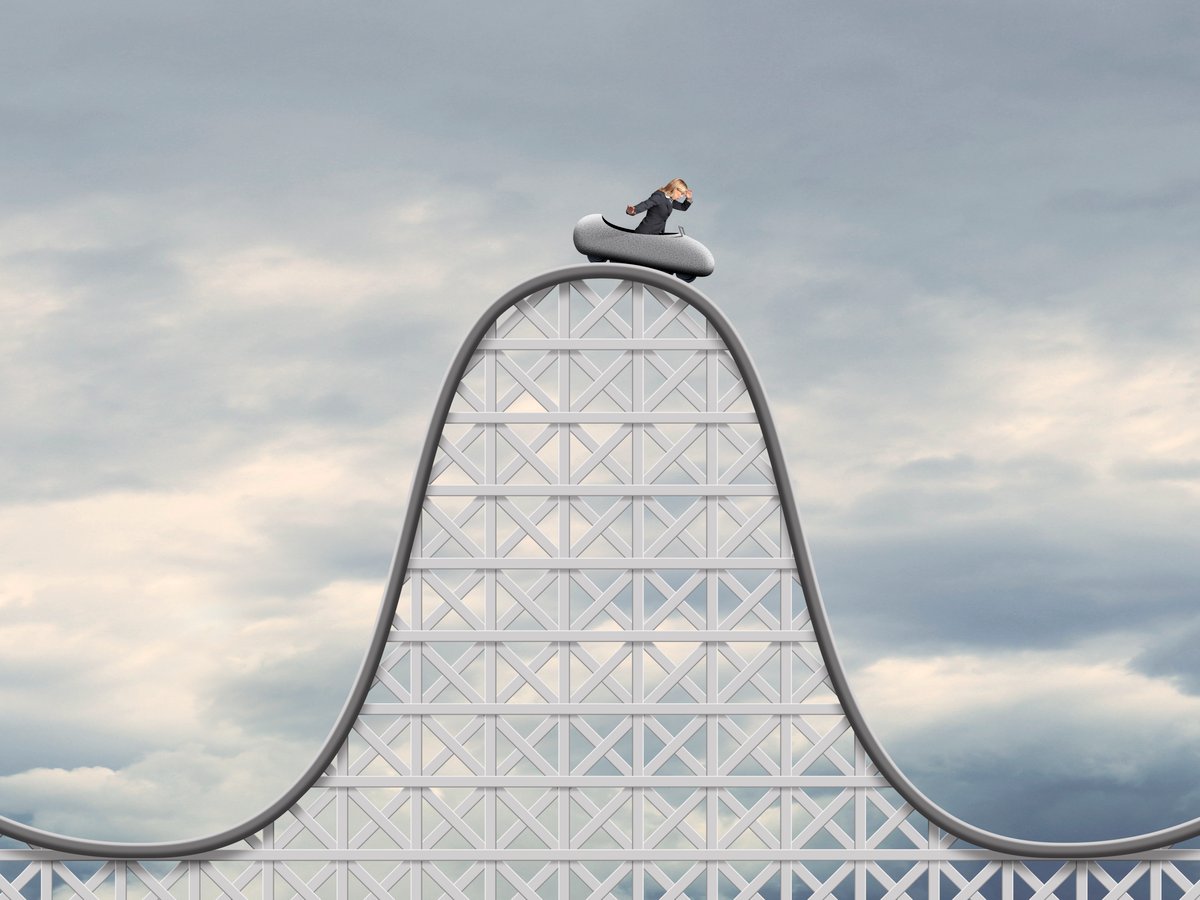
Warren Buffett, the former CEO of Berkshire Hathaway (NYSE: BRKA)(NYSE: BRKB) and world-famous investor, has noted that investing is more about emotions than intelligence. This is important to remember every day, but right now it could be even more important than usual. However, it is the bond market that is highlighting the risks that may tax the emotional systems of unsuspecting stock investors. Here’s what you need to know so you can prepare ahead of time.
What is going on with bonds?
From a big-picture perspective, bond investors are pushing up bond yields. The 10-year and 20-year Treasury yields are both near their highest levels since 2002. That’s back before the 2007 to 2009 Great Recession and toward the end of the bear market that followed the burst of the dot-com bubble. Yields move in the opposite direction to bond prices, so rising yields indicate a bond sell-off, as bond investors demand higher yields to compensate for the risks they are taking on.
Missed Nvidia in 2009? This Rare Signal Is Flashing Again. In 2009, a “Double Down” signal flashed for a little-known chipmaker called Nvidia. For the first time in years, that same “Total Conviction” signal is flashing for a company 1/100th the size of Nvidia. Continue »
In other words, bond investors are saying to the world that investment risk is on the rise. And yet, the S&P 500 index (SNPINDEX: ^GSPC) is trading near all-time highs. In fact, the S&P 500’s valuation is at levels last seen just before the dot-com bubble burst, leading to a deep bear market. Stock investors should probably pay attention to the bond market’s warning.
What are the risks?
JPMorgan Chase (NYSE: JPM) CEO Jamie Dimon recently described the risks the market faces as tectonic plates, hinting that a collision could cause a market earthquake. Some of the risks he pointed out include geopolitical conflict, high inflation, elevated leverage, and high stock valuations.
To make matters worse, the Federal Reserve has begun limiting the guidance it provides to the market. That’s a return to a more normal way of operating, since guidance became increasingly important during the Great Recession. However, it means that bond investors are working without a roadmap for the first time in years. At the same time, the Fed is actively trying to fight inflation, suggesting that interest rates are likely to continue rising. Bond investors appear to be pricing in rate hikes they fear are imminent.
A big risk, however, is that the Fed’s rate hikes, which are a blunt instrument, could trigger a recession. And when there’s a recession, a bear market usually follows. As Jamie Dimon pointed out, the risks today could be contained, and the market could avoid a deep drawdown. But history is pretty clear that now is the time for stock investors to start thinking about ways to prepare for a recession and bear market. After all, recessions and bear markets are actually pretty normal occurrences. Both are on their way, if not now, then at some point.