Sean Williams, The Motley Fool
5 min read
Throughout the day, Americans from across our great nation have headed to the polls or mailed in their ballots to make their voices heard. According to popular prediction market Kalshi, as of 8:50 p.m. ET, the odds have skyrocketed to better than 99% that Democrats will retake control of the House of Representatives. Regardless of what happens in the Senate, President Trump would be working with a divided Congress come January 2027.
Based on what history tells us, a split Congress can significantly alter annualized return expectations for the Dow Jones Industrial Average (DJINDICES:^DJI), S&P 500 (SNPINDEX:^GSPC), and Nasdaq Composite (NASDAQINDEX:^IXIC).
Missed Nvidia in 2009? This Rare Signal Is Flashing Again. In 2009, a “Double Down” signal flashed for a little-known chipmaker called Nvidia. For the first time in years, that same “Total Conviction” signal is flashing for a company 1/100th the size of Nvidia. Continue »

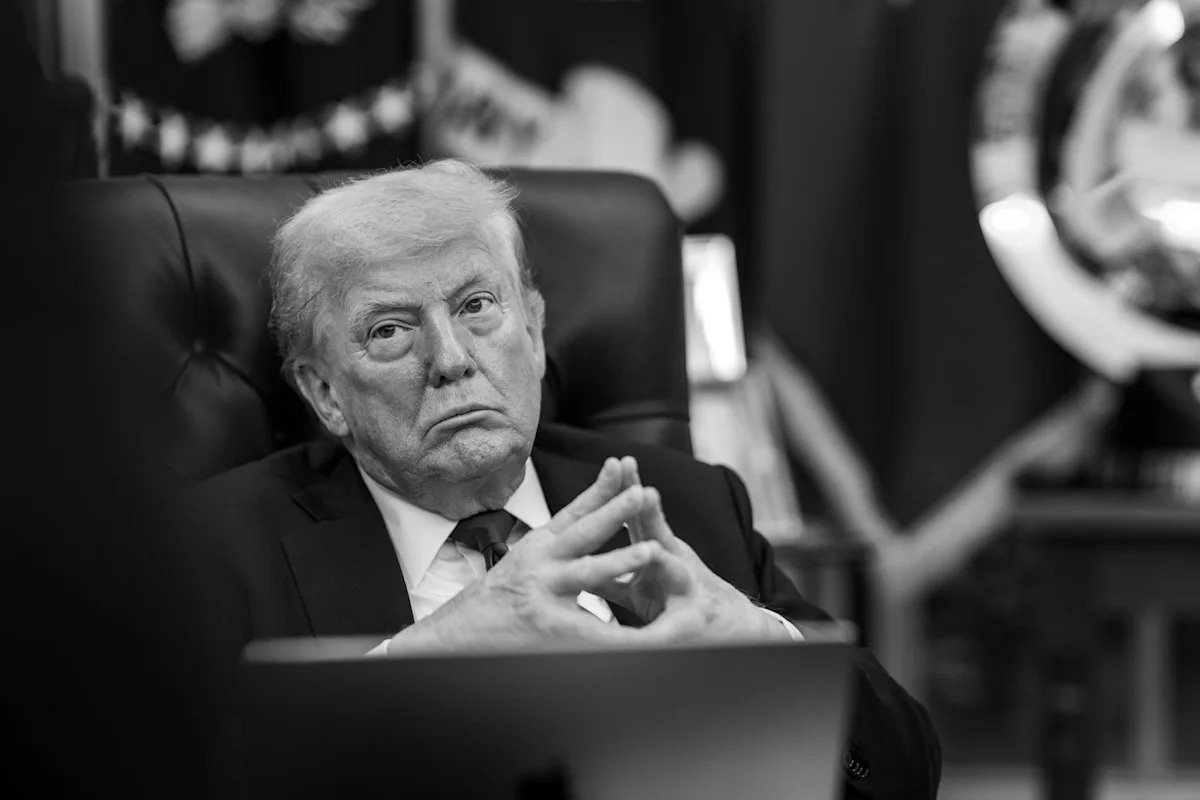
President Trump will likely be working with a divided Congress in the new year. Image source: Official White House Photo by Joyce N. Boghosian.
A worst-case scenario is unfolding for stocks
If prediction markets prove accurate and Democrats do retake one or both houses of Congress, President Donald Trump’s second nonconsecutive term will mirror his first. He’ll have had two years of full Republican congressional control in the first half of each term, and a divided Congress in the second half of both.
To some extent, congressional division is welcome by Wall Street. Political gridlock makes it virtually impossible to pass major tax and spending legislation. In other words, personal and corporate income tax law should remain unchanged for the foreseeable future.
But a congressional shake-up does have its sticking points. For instance, debt-ceiling negotiations would be far more challenging. Additionally, Trump’s desire to minimize the regulation of artificial intelligence would clash with Democratic lawmakers who favor much tougher oversight of the stock market’s top catalyst.
However, the biggest worry for investors comes from nearly a century of historical return data. A few years ago, online retirement planning site Retirement Researcher examined the average annual return of the S&P 500 from 1926 through 2023 under four political scenarios, yielding one outlier:
-
Divided Congress with a Democratic president (15 years): 16.63%
-
Unified Republican (13 years): 14.52%
-
Unified Democrat (36 years): 14.01%
-
Divided Congress with a Republican president (34 years): 7.33%