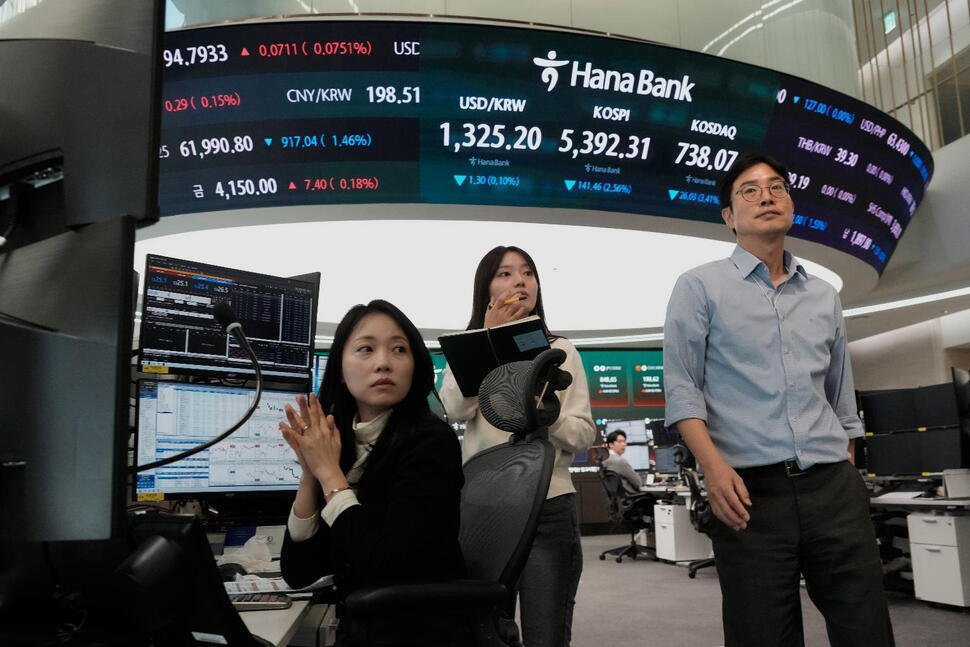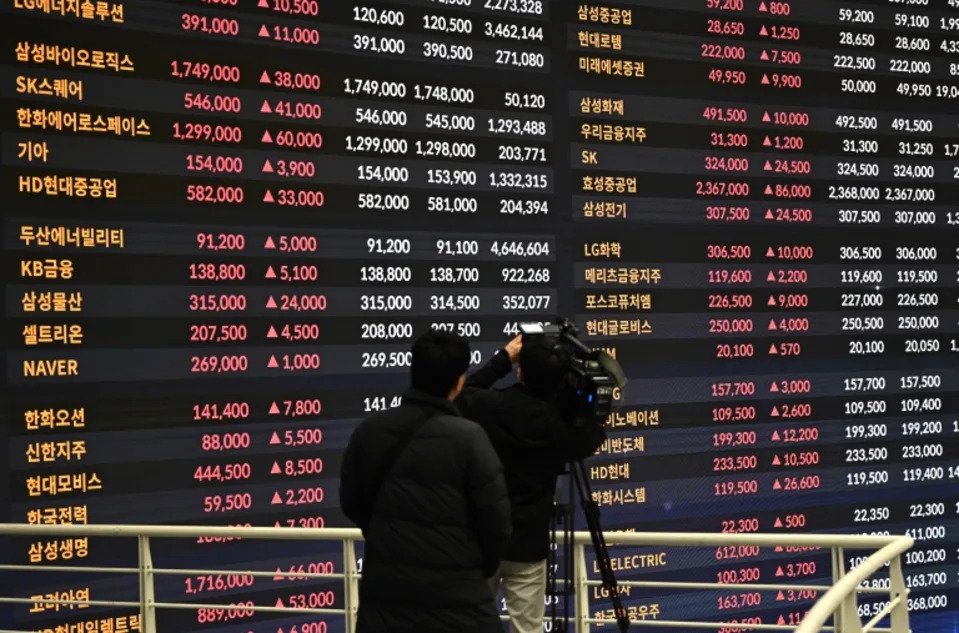
Asian stocks sank again Friday as tech firms took another beating from investors increasingly losing faith in the sector, with the traditional safe haven yen and government bonds benefiting from the risk-off mood.
Since AI-linked companies hit record highs in June, their equity prices have been pummelled by concerns they were overvalued, their huge outlays on infrastructure and hardware might not return a profit and, more recently, their servicing costs were spiralling.
That has combined with an Iran war-fuelled surge in oil prices to more than $100 that has ramped up inflation, forced central banks to hike interest rates and sent government borrowing costs to multi-decade highs.
Strong earnings in past quarters have been able to temper many of the concerns, but analysts pointed out that investors are demanding better and better results to justify their backing.
Earnings from Facebook-parent Meta and chip equipment maker Lam Research this week have beaten forecasts but seen their shares dive.
“Even positive news is being ignored,” said FOREX.com’s Fawad Razaqzada.
“Strong results are no longer enough if the outlook fails to match an already demanding valuation. Investors are becoming much less forgiving.”
The rush out of tech has, however, boosted industrial companies overlooked for much of the AI boom, with the Dow rising this week while the Nasdaq and S&P 500 retreated.
The general losses in New York have filtered through to Asia.
Seoul — which was at the forefront of the AI boom and is now leading losses — shed more than two percent Friday, at the end of a tough week for the Kospi index.
Chipmaker and market heavyweight SK hynix’s US shares fell more than eight percent after it said it was scrapping plans for an initial public offering for its US subsidiary Solidigm, citing “market conditions and share price trends”.
Tokyo’s Nikkei 225, which is also heavily weighted to tech, was sharply lower along with Hong Kong, Shanghai, Sydney, Singapore, Wellington, Jakarta and Manila.
Taipei was closed as Typhoon Champi neared the island.
However, safe-havens benefitted, with the yen rallying against the dollar, helped by strong Japanese inflation data that boosted bets on another interest rate hike.
The currency has struggled against the greenback in recent years owing to the wide interest rate gap between the United States and Japan, as well as worries about the Asian giant’s fiscal situation.
US Treasuries were also in demand, with yields falling from two-decade highs.
“Markets are looking for safe havens as the now familiar fears over AI and the tech sector, alongside ever higher oil and energy prices are powering a move back into bonds,” said National Australia Bank’s Gavin Friend.