After publicly releasing its S-1 filing on Oct. 26, the artificial intelligence (AI) start-up Anthropic is racing to go public as soon as the week of Nov. 16. That timeline gives investors less than a month to decide whether to invest on the first day shares become available to the public.
For those still mulling over a decision, there’s no guarantee of how Anthropic’s stock price will perform in the short term or the longer term after its initial public offering (IPO). That said, using history as our guide, we can map out some potential possibilities to consider before making an investment decision.

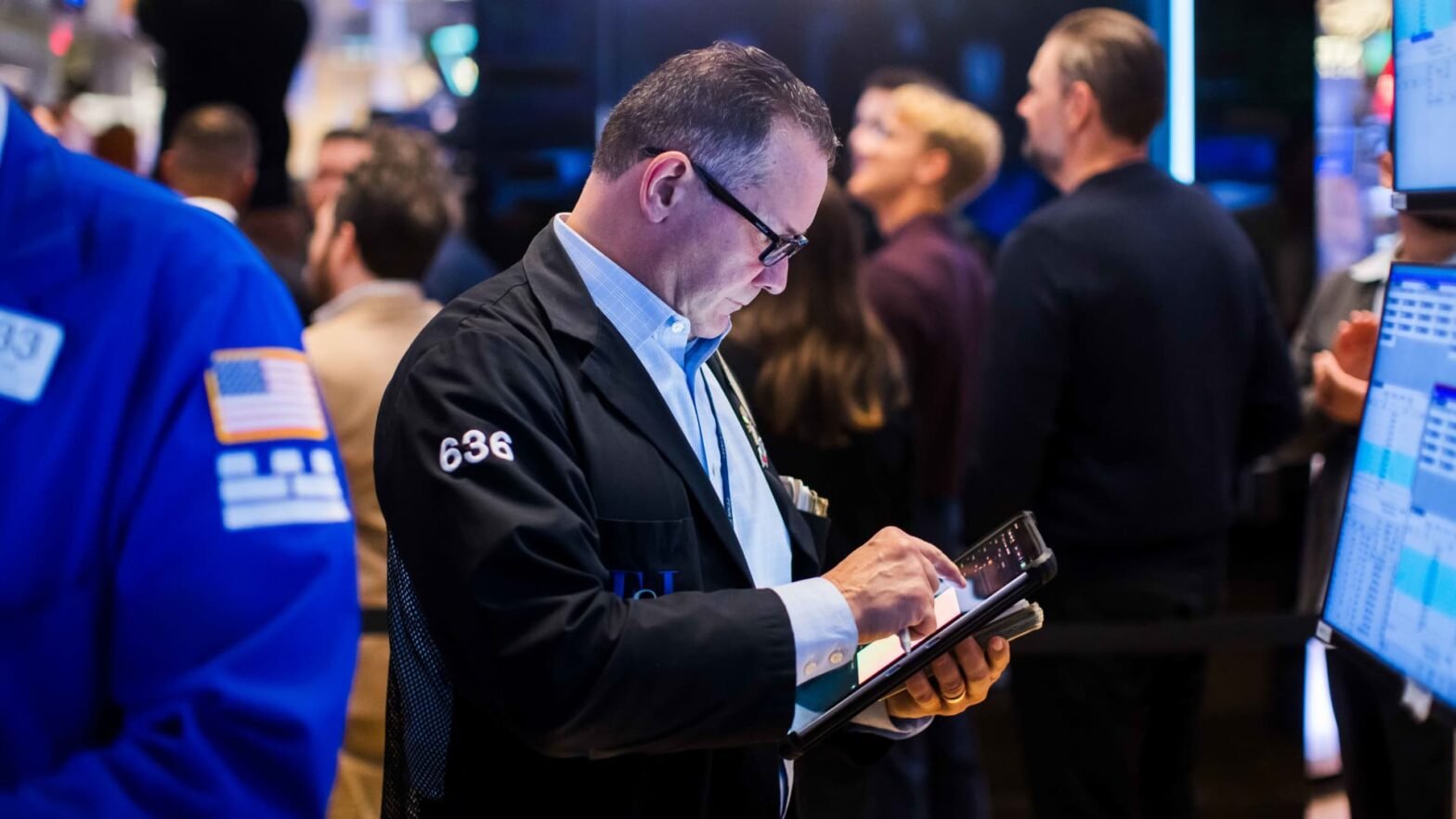
Image source: Getty Images.
What history says about IPO investing
For anyone planning to hold Anthropic shares for years or longer, the good news is that if the stock price doesn’t skyrocket right out of the gate, that’s not always an indication of future success.
Take Meta Platforms, for example. According to research from The Motley Fool, among the top 10 IPOs by capital raised, Meta has delivered one of the biggest windfalls for shareholders, with its stock price soaring 1,572% from May 2012 to May 2026. That said, it got off to a rocky start, with the stock price dropping 47% from its May 2012 IPO price of $38.
Looking at the broader group of those 10 IPOs and their short-term results, however, creates a more murky picture. Of the 10 companies, five had negative returns in the first three months after going public. When the companies in that group had been public for a year, five of them recorded negative returns again.
As an example of the type of wild price swings that can happen, one of the most recent examples is Space Exploration Technologies, which went public in June. The stock opened to the public at $150 on June 12, then reached its current all-time high of $225.64 on June 16. From there, however, the stock price dropped dramatically, falling to $104.83 on Aug. 3. It’s stabilized a bit since then, but SpaceX closed at $143.89 on Oct. 29, below the $150 price at which it went public.
That said, for long-term investors, there’s a silver lining for Anthropic, based on history.
Are there any common links between successful IPOs?
Out of the top 10 companies by capital raised, there is a split between the top and bottom performers. Research from The Motley Fool found that the five companies from that group of 10 with the highest total returns were all financials, technology, or consumer companies.
The four weakest were in the energy, telecom, and utility sectors. As a technology company, Anthropic isn’t guaranteed to be an automatic winner. Still, IPO history suggests it’s in the right sector to potentially offer higher returns than companies in other sectors going public. From history, we know that even some of the top IPOs by capital raised can have rocky starts out of the gate, like Meta, but that they can also turn into long-term winners, like Meta. We also know that it can take some time after an IPO for the stock price to find its footing, which offers one important lesson: It’s best to make time an ally.
Worries over missed first-day gains
If an IPO has a strong first day, it’s easy to feel like you missed out on something. When looking at first-day returns, however, there is some nuance to those gains.
Before a company goes public, it will set IPO pricing, which is essentially the price at which hedge funds, large institutions, and accredited investors can buy shares before the stock debuts to the public. As a recent example, on June 11, SpaceX set its IPO price at $135 per share. On June 12, when retail investors were able to buy shares, the stock opened at $150 and closed at $160.95. When news organizations reported SpaceX’s first-day returns, they typically went by that IPO offering price, and not by what retail investors paid. That’s why an investor may have seen it reported that SpaceX shares climbed 19.2%, while their returns looked vastly different on the first day.
Ultimately, rather than worrying about day-one gains, the better strategy is to decide if Anthropic could be a high-conviction portfolio holding. That way, if the stock price enters a slump, a dedicated shareholder can give the price enough time to not only rebound, but also make meaningful long-term gains that can create wealth.