Justin Pope, The Motley Fool
5 min read
The stock market simply isn’t going to go up all the time. Even during the best of times, the broader market will have an off week or month; you just never know. Volatility isn’t fun for anyone, but it’s how long-term investors can get a leg up on the market.
You see, when the tide goes out and the broader market declines, blue chip stocks, the best companies on Earth, often go down, too. That’s a huge opportunity for investors because there may not be anything wrong with the business itself — it’s just the market doing what the market does.
Will AI create the world’s first trillionaire? Our team just released a report on the one little-known company, called an “Indispensable Monopoly” providing the critical technology Nvidia and Intel both need. Continue »
The recent pullback has created some solid buying opportunities. Here are two blue chip industrial stocks that currently look like two of the best buys you can make.

1. Lockheed Martin
The world’s largest defense manufacturer, Lockheed Martin (NYSE: LMT), isn’t a get-rich-quick stock, but it’s a blue chip company in every sense of the term. History has shown that the world seldom remains peaceful for long. As unfortunate as that is, it creates a steady demand for the various weapons, vehicles, aircraft, and other technologies Lockheed Martin sells to the U.S. and its military allies.
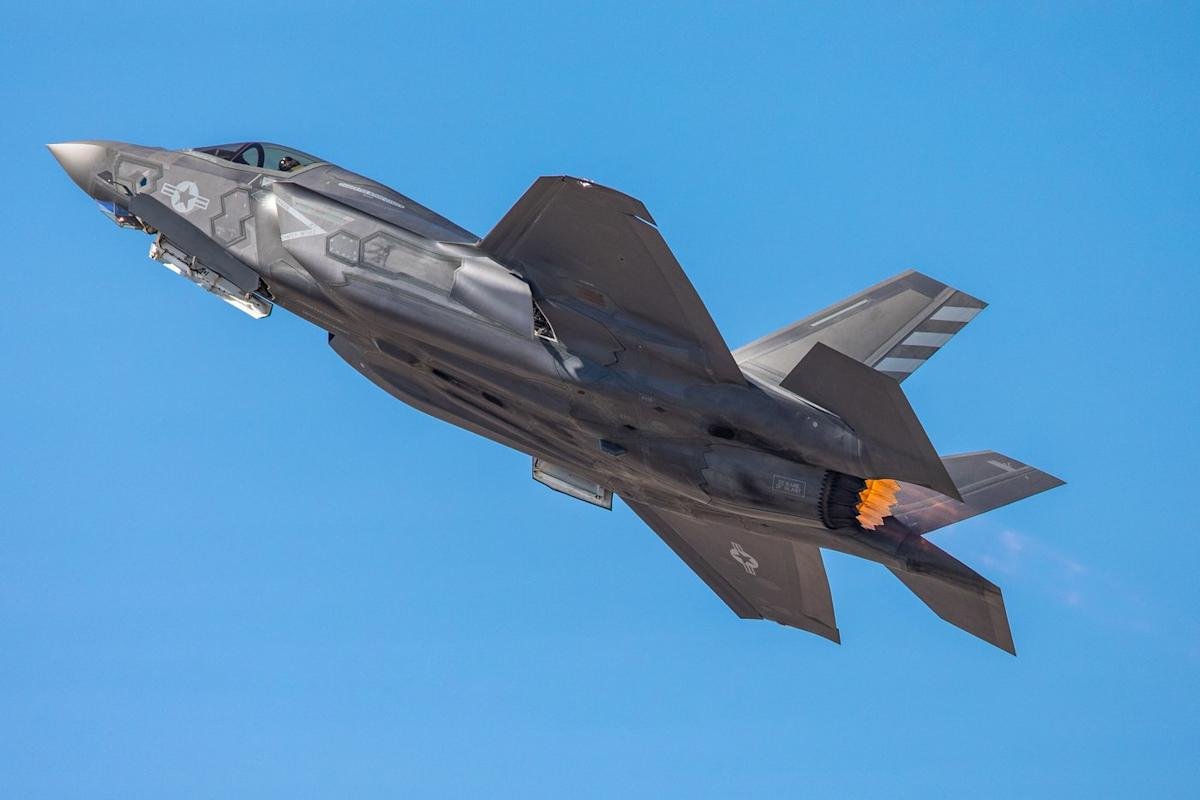
The ongoing war in the Middle East has depleted arsenals, prompting the U.S. Department of Defense to sign a multi-year agreement to triple and quadruple production of various missiles. Lockheed Martin also produces the F-35 Lightning II fighter jet, the most expensive aircraft program in modern history, and a core revenue driver going forward as it continues to bring new aircraft into service and rack up maintenance and repair services.
While Lockheed Martin’s backlog did shrink slightly from the prior quarter, it remains very healthy at $186 billion after the first quarter of 2026. The Trump Administration has made it clear that the government aims to continue spending heavily on defense over the next few years, so it wouldn’t be a surprise to see the backlog grow again in the near future.
Analysts estimate the company will grow its earnings by an average of 18% annually over the next three to five years, which should translate to capital gains and healthy dividend increases. Lockheed Martin stock currently trades well below its 52-week high, which, in this case, has priced shares at an attractive valuation at under 18 times 2026 earnings estimates. Plus, investors get a solid 2.6% dividend yield at the current share price.