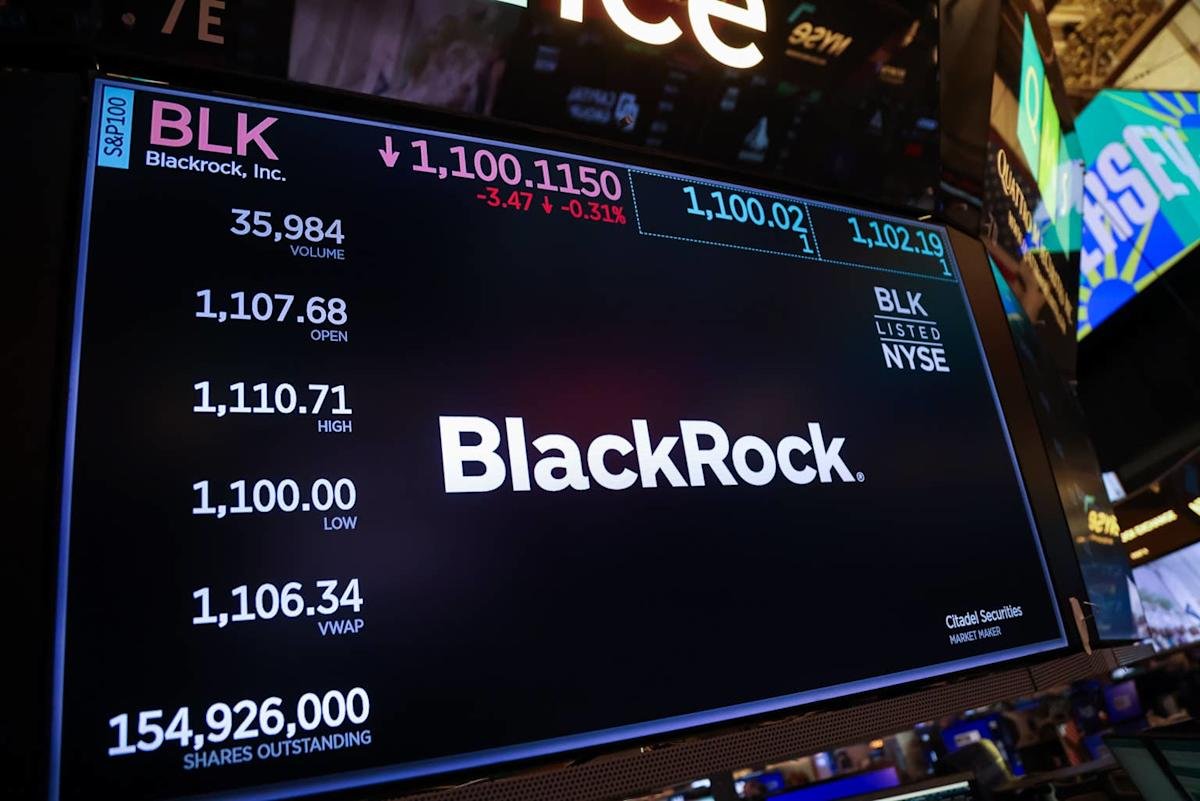
BlackRock’s Rick Rieder believes the current stock market rally is being driven by a rare combination of “amazing” technical factors and “powerful” corporate earnings.
Speaking with Bloomberg Television, the firm’s global fixed income CIO explained that while there was a recent period where “nobody wanted to buy stocks,” the market has now shifted into an explosive growth phase.
Related: Michael Saylor’s Strategy announces $1.44B dollar reserve as stock slumps
Rieder highlighted a significant imbalance between the amount of stock available and the massive demand from buyers. He noted that while the IPO calendar for the year might reach $200 billion, corporate buybacks are expected to hit a staggering $1 trillion.
“Actually, there’s not enough stock to buy,” Rieder stated.
He emphasized that these supply-side technicals are pushing prices higher, supported by incredible growth in sectors like semiconductors, where earnings have jumped 97% year-on-year.
While he admitted that housing and lower-income sectors are struggling, he noted that the primary drivers of the equity market remain in “pretty good shape.”
Rieder also described what he calls a “productivity revolution,” the likes of which he has not seen in decades.
He explained that companies are finding ways to grow their top-line revenue by 4% to 10% while keeping labor costs static or declining. This creates higher operating margins and better returns for investors.
“Big cap stocks are so powerful because you’re building a moat to utilize data so effectively,” Rieder noted.
He cautioned, however, that while this is a “really good story” for corporate earnings, it is often difficult for the broader working population.
This institutional demand extends to digital assets, led by BlackRock’s iShares Bitcoin Trust (IBIT). As of April 22, IBIT holds 806,699 Bitcoin, while BlackRock’s Ethereum fund, ETHA, holds approximately 3,163,330 ETH.
This massive accumulation places BlackRock in a symbolic competition with Strategy, which currently holds 815,061 BTC following a $2.54 billion purchase on April 20.
While IBIT briefly overtook Strategy in holdings during early 2024, both now serve as the primary vehicles for institutional exposure, allowing investors to track prices without corporate risk.