Key moments
Sign up for our daily business newsletter here
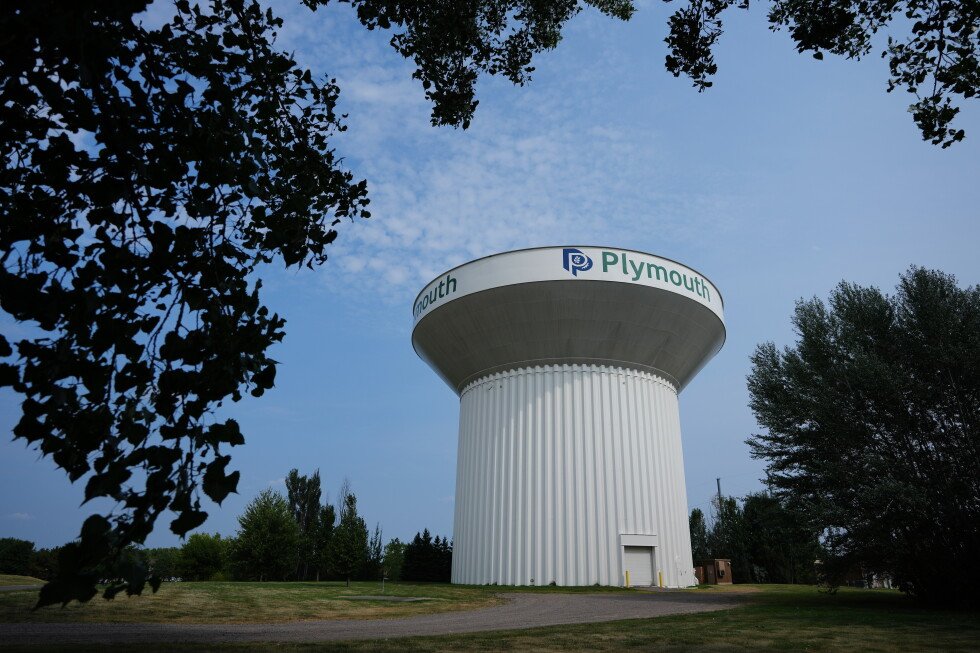
Water regulator blocks £4m in bonuses
Ofwat said more than £4 million in potential executive bonuses were blocked in the last financial year under new rules tying performance-related pay to operational issues such as pollution incidents.
The regulator said six major water companies – Anglian Water, Southern Water, Thames Water, United Utilities, Wessex Water, and Yorkshire Water – triggered the bonus ban due to performance failures, mostly involving pollution incidents.
The regulator said all six complied by withholding annual bonuses and other performance-related payments to directors, in its latest report on performance-related executive pay.
Ozempic maker lowers guidance again
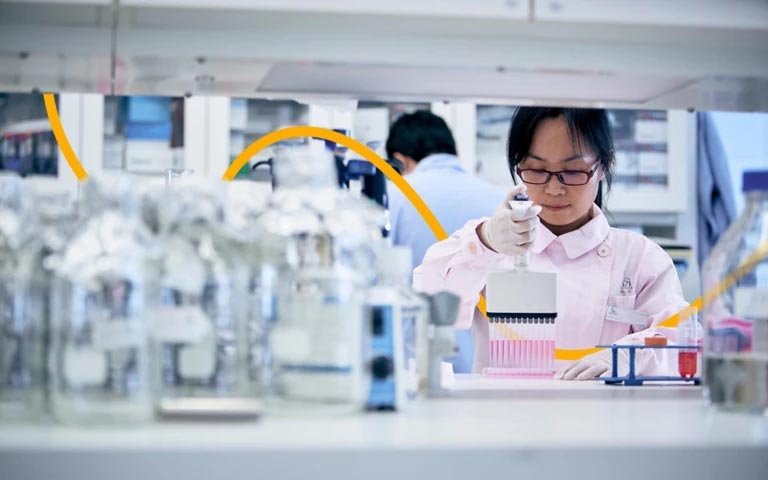
Novo Nordisk, the Danish weight-loss drug maker, cut its full-year sales and profit forecasts but a better than expected US Medicare pricing deal helped lift shares.
The firm said its fourth guidance cut of the year was due to weaker growth outlooks for its two key weight-loss and diabetes drugs, Wegovy and Ozempic.
However, Novo also said it had agreed pricing for semaglutide, the active ingredient in the drugs, under the Medicare scheme and this would have a “low single digit negative impact on sales”, which reassured investors. Its shares rose 1.5 per cent in Copenhagen.
The company said revenue would rise 11 per cent this year after previously guiding for growth of 14 per cent, while it nudged operating profit growth lower to a maximum of 7 per cent, from 10 per cent previously.
Trainline raises profit target
PAU BARRENA/BLOOMBERG/GETTY IMAGES
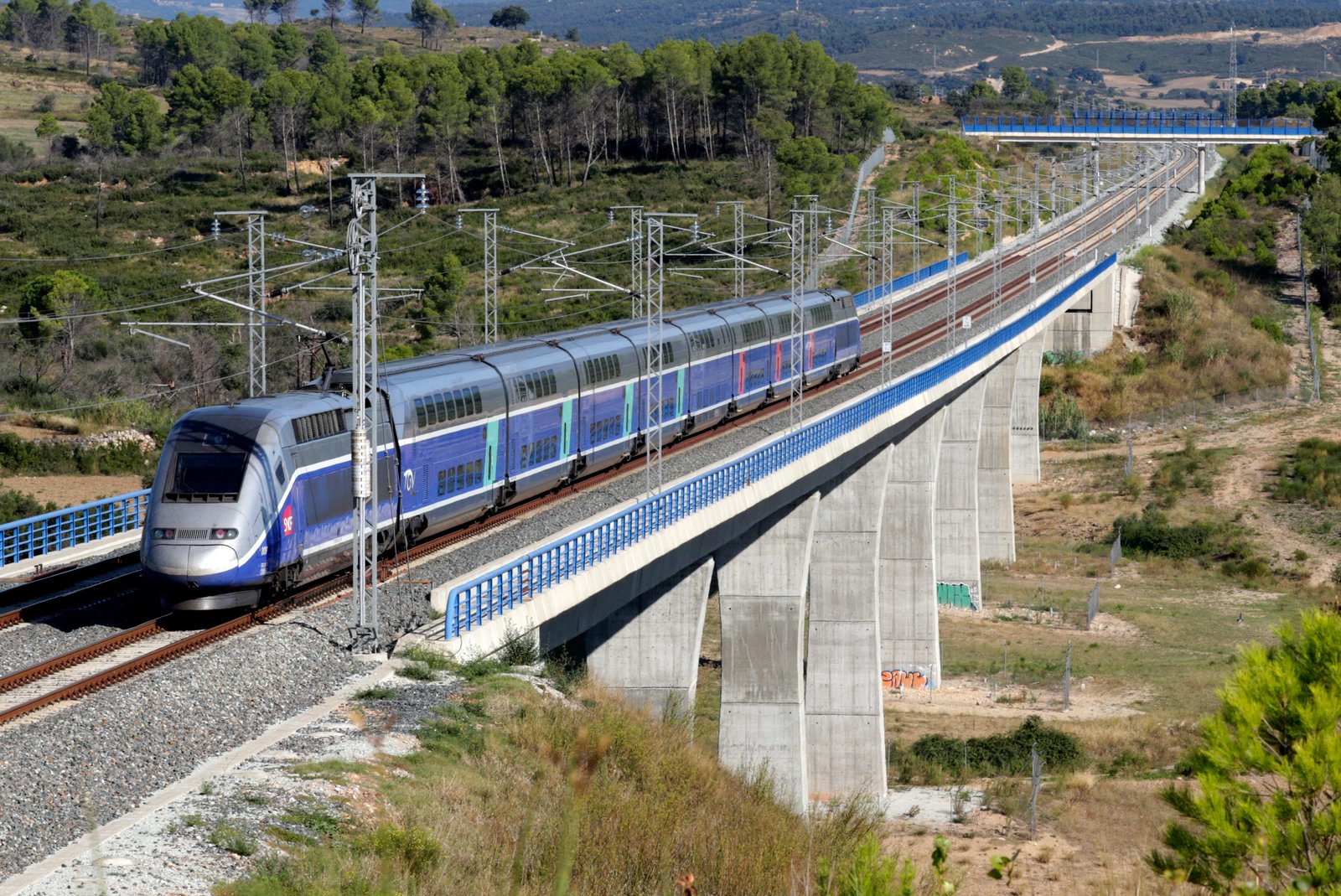
The online rail ticketing platform Trainline has raised its profit and sales targets after reporting a jump in first-half profits.
The company, which sells tickets for journeys in the UK and Europe, reported an 8 per cent rise in net ticket sales year-on-year to £3.2 billion in the six months to the end of August.
Adjusted profits rose 14 per cent to £93 million, with revenue up 2 per cent to £235 million after a previously announced reduction in commission rates in the UK.
Trainline now expects adjusted profit growth of between 10 per cent and 13 per cent, up from its earlier guidance of 6 per cent to 9 per cent. Net ticket sales are forecast to rise by 6 per cent to 9 per cent.
The shares, which have fallen 33 per cent over the past year, rose 5 per cent, or 12p, to 267p this morning.
BMW results are bright spot in European market

JENS SCHLUETER/GETTY IMAGES
BMW has reported that third-quarter adjusted profit met forecasts at €2.3 billion, while revenues were slightly weaker than expected at €32.3 billion.
Shares in the German car maker were up 1.3 per cent at €81.34.
“In the third quarter, we once again proved that our business model is robust and resilient,” Oliver Zipse, chief executive said.
The company said it has passed the peak in research and development spending on a new all-electric “Neue Klasse” range that it hopes will boost growth amid stiff competition in China.
Tariffs reduced BMW’s car margin by around 1.75 percentage points in the third quarter, the company said. BMW cut its full-year guidance last month due to tariff costs and slow growth in China.
Car loan compensation deadline extended
The financial regulator has extended a deadline for feedback on a proposed £11 billion compensation scheme for consumers who were mis-sold car finance, after lenders asked for more time to check its data.
The Financial Conduct Authority said industry feedback included questions around its methodology for calculating redress, the time period for the scheme, the rate of compensatory interest, how independent mechanisms will ensure confidence, how smaller firms can operate the scheme cost-effectively and how to prevent fraud.
The consultation will now close on December 12 rather than November 18. The FCA expects to publish its final rules in either February or March.
EVs drive growth in new car sales
Electric cars continued to drive growth in new car sales in October, with battery electric vehicles (BEV) taking a 25.4 per cent share of the market, the second-highest monthly level this year.
Despite the positive momentum, the Society of Motor Manufacturers and Traders noted that registrations are still short of the 28 per cent target set by the zero emission vehicle mandate.
Overall, new car registrations rose 0.5 per cent year-on-year to 144,948 units.
Battery electric vehicle sales rose 23.6 per cent to 36,830. Sales of plug-in hybrids (PHEV) and hybrid cars (HEV) rose to 17,601 and 19,250, up 27.2 per cent and 2.1 per cent respectively.
Collectively, electrified vehicles made up 50.8 per cent of the market, marking the second consecutive month that EVs accounted for the majority of new car sales.
Services sector picks up in October

Activity in the dominant services sector picked up last month, boosted by domestic demand despite uncertainty as companies delayed spending plans before the budget.
The S&P Global UK services purchasing managers’ index (PMI) rose to 52.3 in October from a five-month low of 50.8 in September.
Tim Moore, economics director at S&P Global Market Intelligence, said. “The latest survey offered some positive signals for the UK service economy.”
A measure of employment also showed firms shed staff much less quickly.
Services companies said higher wages were pushing up input prices, although the rate of cost inflation was the lowest since November 2024. Prices charged by firms increased at the slowest pace since June.
London’s leading share index has avoided joining a global stock market sell-off this morning.
The FTSE 100 edged 1 point lower, or 0.01 per cent, at 9,713.75 with a slide in shares of technology investors, miners and retailers partly offset by rises in housebuilders on hopes of lower interest rates.
The global stock market sell-off has been fuelled by concerns about AI-related technology stocks after the Big Short investor Michael Burry placed bearish bets on Nvidia and Palantir and Wall Street executives cautioned about overstretched valuations.
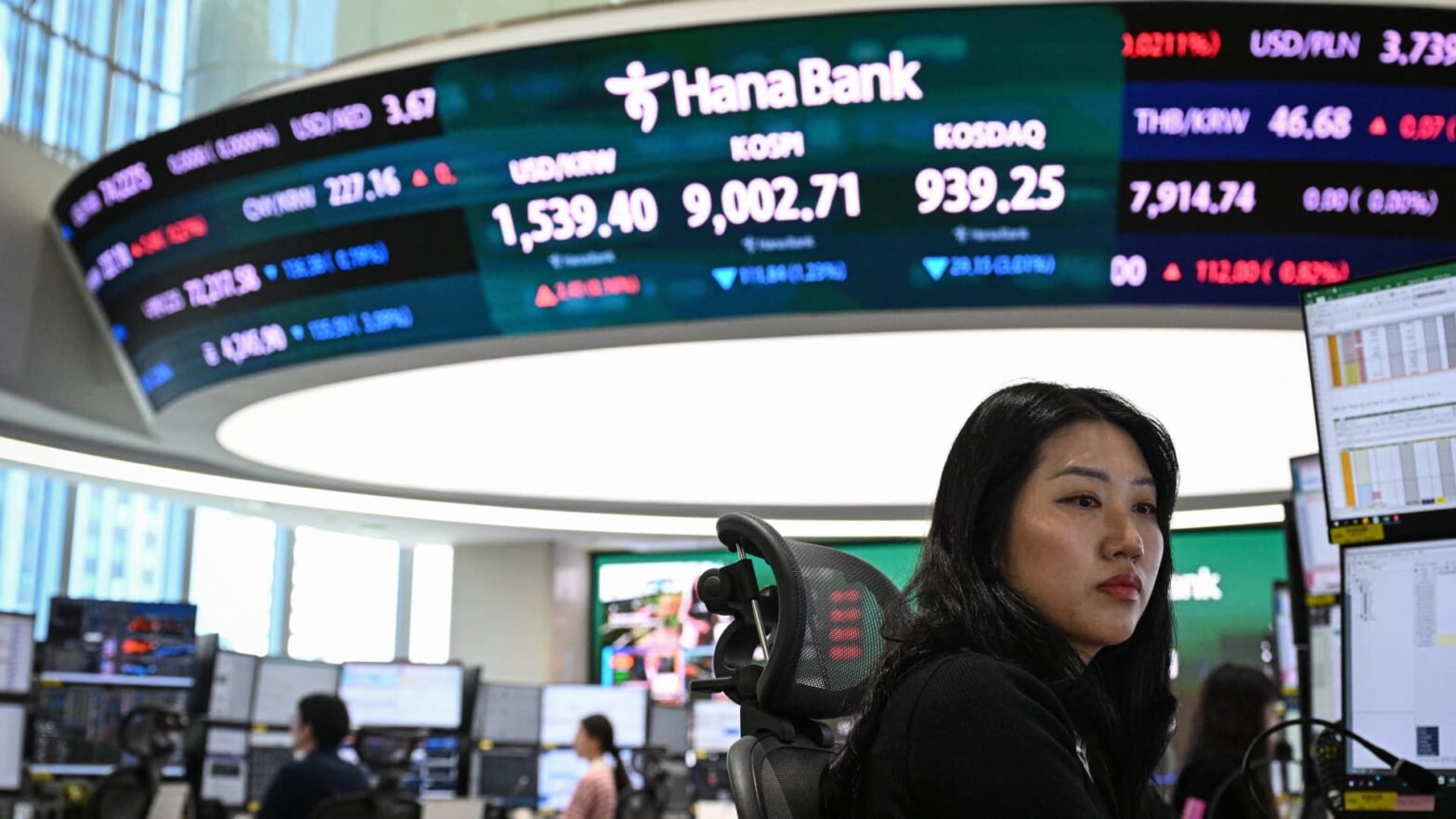
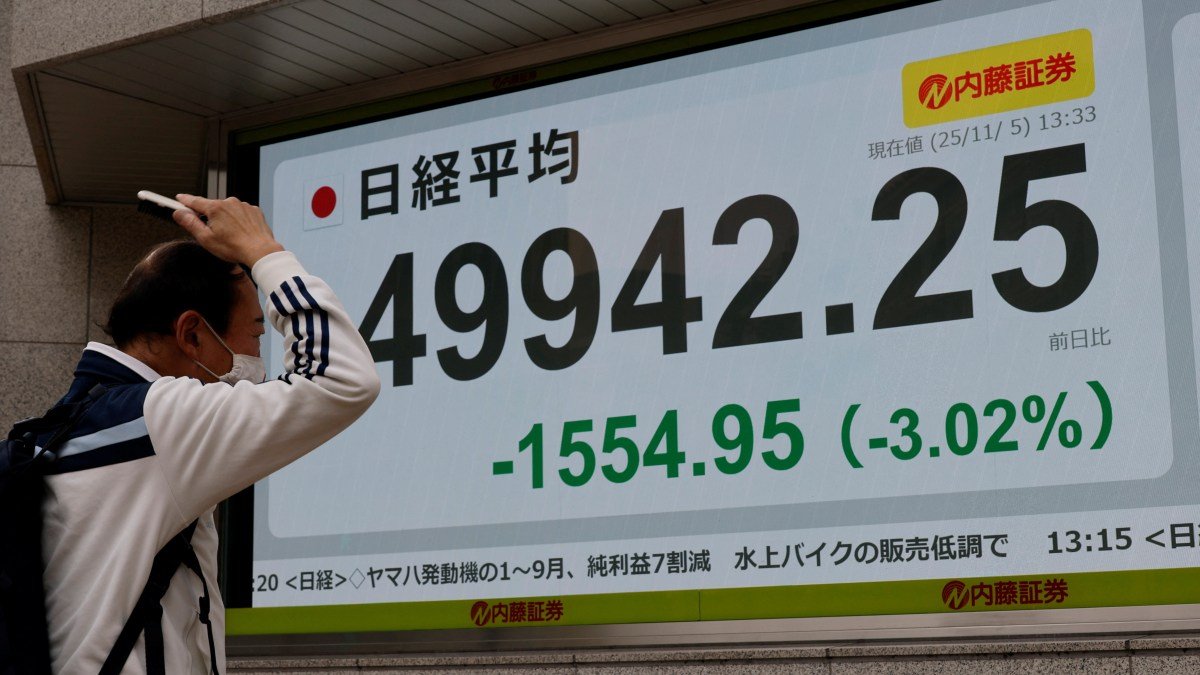
Wall Street indices closed lower yesterday, with Nvidia and Palantir sliding after Burry shorted the stocks. In Asia overnight, technology stocks were hit, dragging the Nikkei 225 down 2.5 per cent and South Korea’s Kospi 2.85 per cent.
Germany’s Dax slid 0.6 per cent and France’s Cac 40 fell 0.3 per cent this morning.
In London, investors in big tech shares fell, with Polar Capital Technology Trust and Scottish Mortgage Investment Trust down 1.69 per cent and 1.34 per cent respectively.
The biggest faller was the engineer Weir, which noted in a trading update that its clients faced a number of challenges, “not least continued uncertainty on the outcome of tariff negotiations”.
Coca-Cola Europacific gained on upbeat trading updates, as did the housebuilder Barratt Redrow.
Marks & Spencer rose as it said its recovery was on track after reporting a 99 per cent drop in first-half profits as a result of this year’s cyberattack.
Drax extends government subsidy deal

Drax, the owner of Britain’s biggest single power station near Selby, North Yorkshire, said it has extended a controversial subsidy deal with the government until 2031.
The energy company has signed a contract with the government for a “low-carbon dispatchable” contract for difference (CfD) to cover its four biomass units.
Will Gardiner, Drax chief executive, said: “We are pleased to have agreed this new contract with the UK government, which will support UK energy security into the 2030s and deliver a net saving for consumers compared to alternative sources of dispatchable generation.”
Drax burns wood pellets in its biomass units, which has raised questions about carbon savings.
Chairman cautious as JD Wetherspoon sales rise
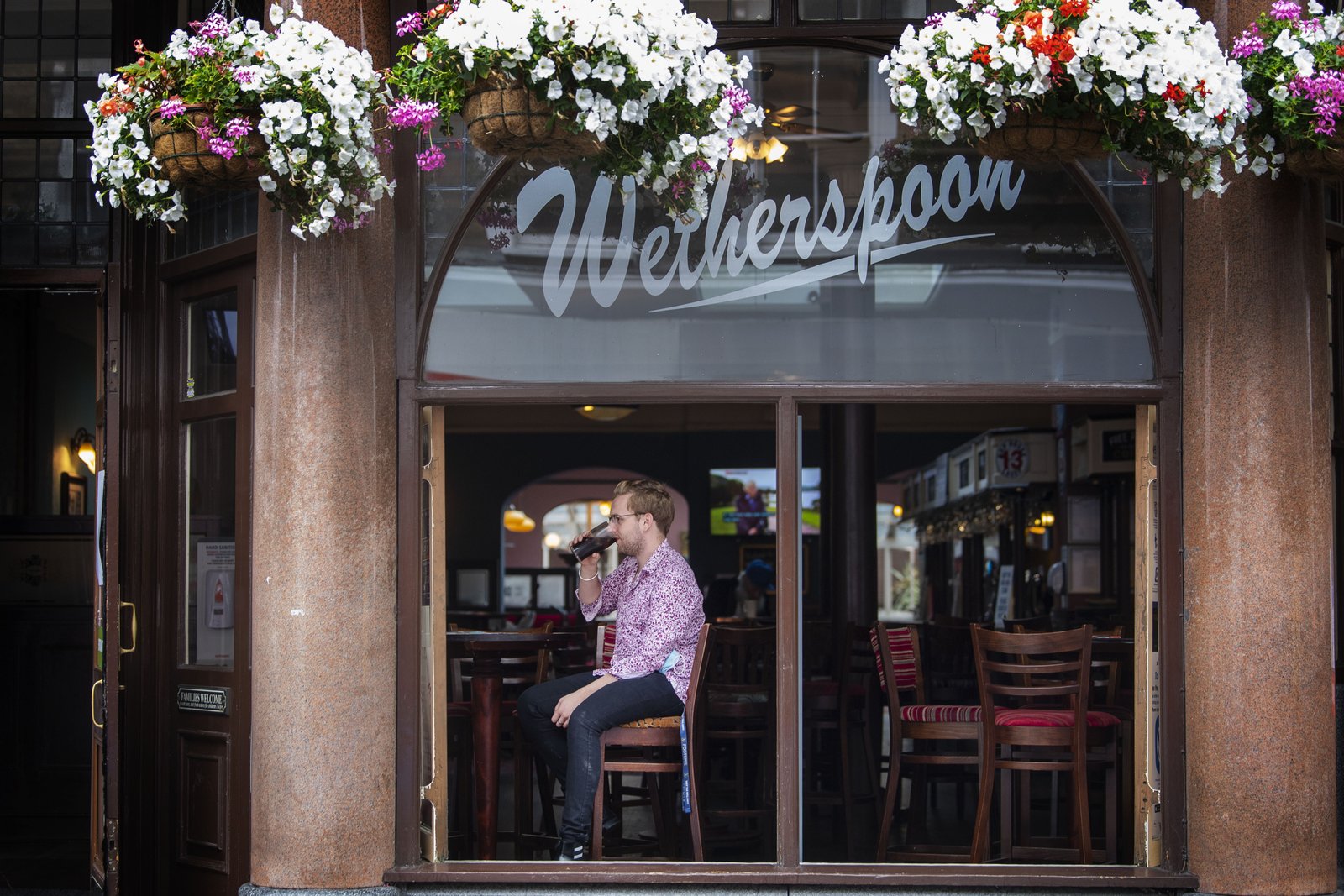
The pub chain JD Wetherspoon has reported that like-for-like sales rose 3.7 per cent in the first 14 weeks of its new financial year, compared with the same period last year.
Sir Tim Martin, chairman, said: “The company is pleased with the continued sales momentum but is mindful of the chancellor’s budget statement later this month and, as a result, is slightly more cautious in its outlook for the remainder of the year.”
Rossi upbeat despite economic uncertainty
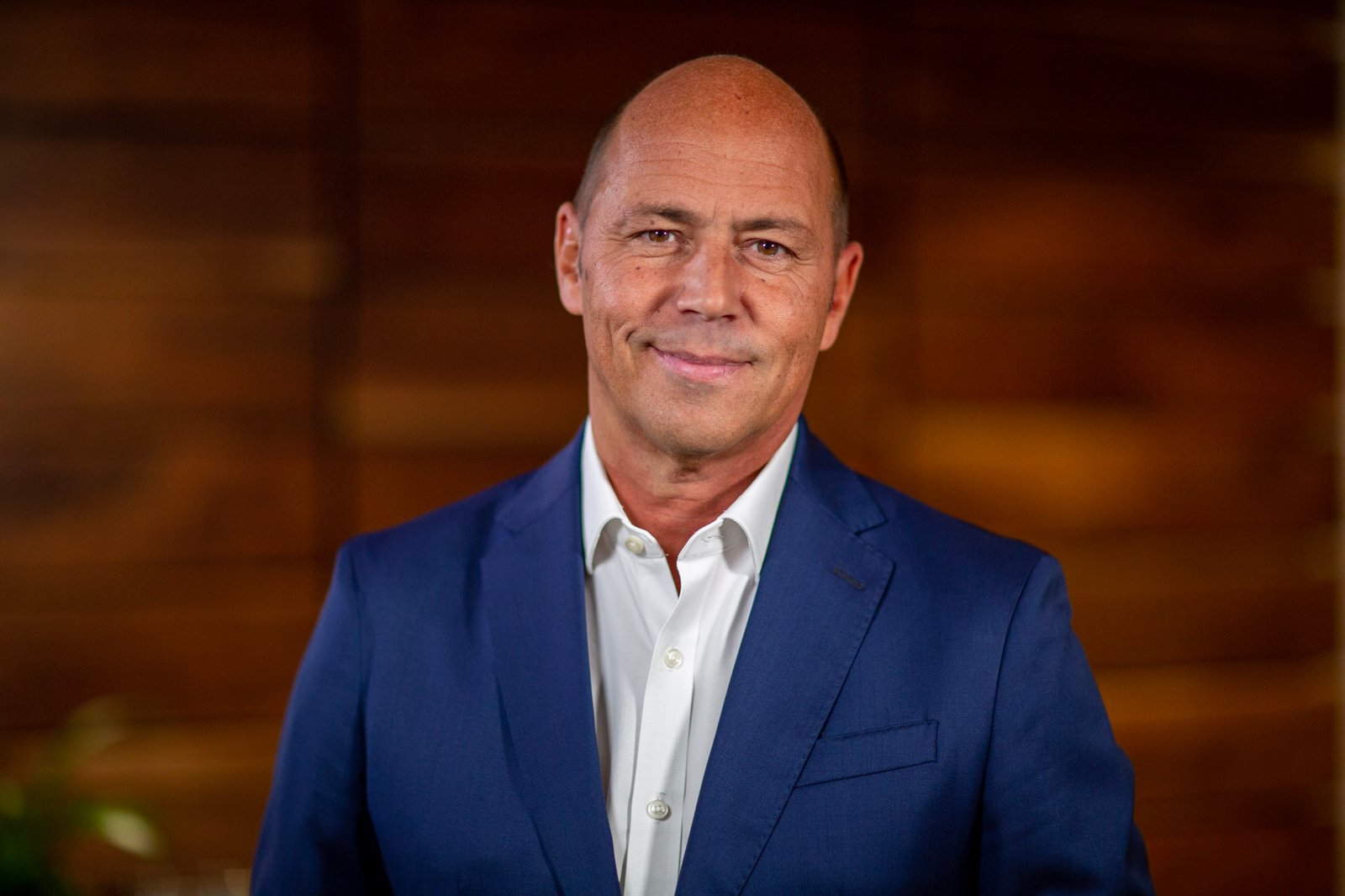
Andrea Rossi, M&G chief executive, said the company was seeing “growing momentum” despite a “volatile macroeconomic environment”.
The savings and investments business reported a 3 per cent rise in total assets under management and administration to £365 billion in the third quarter.
The asset management division saw £1.5 billion of net inflows from external clients, bringing total inflows this year to £4.1 billion. Assets in the division climbed to £335 billion, including £176 billion from external clients, up 6 per cent in the year to date.
Assets under management and administration at the life business rose 2 per cent to £188 billion. Its PruFund franchise, now managing £68 billion, swung back to positive territory with £200 million of net inflows after outflows in the first half.
Barratt Redrow on track to build over 17,000 homes
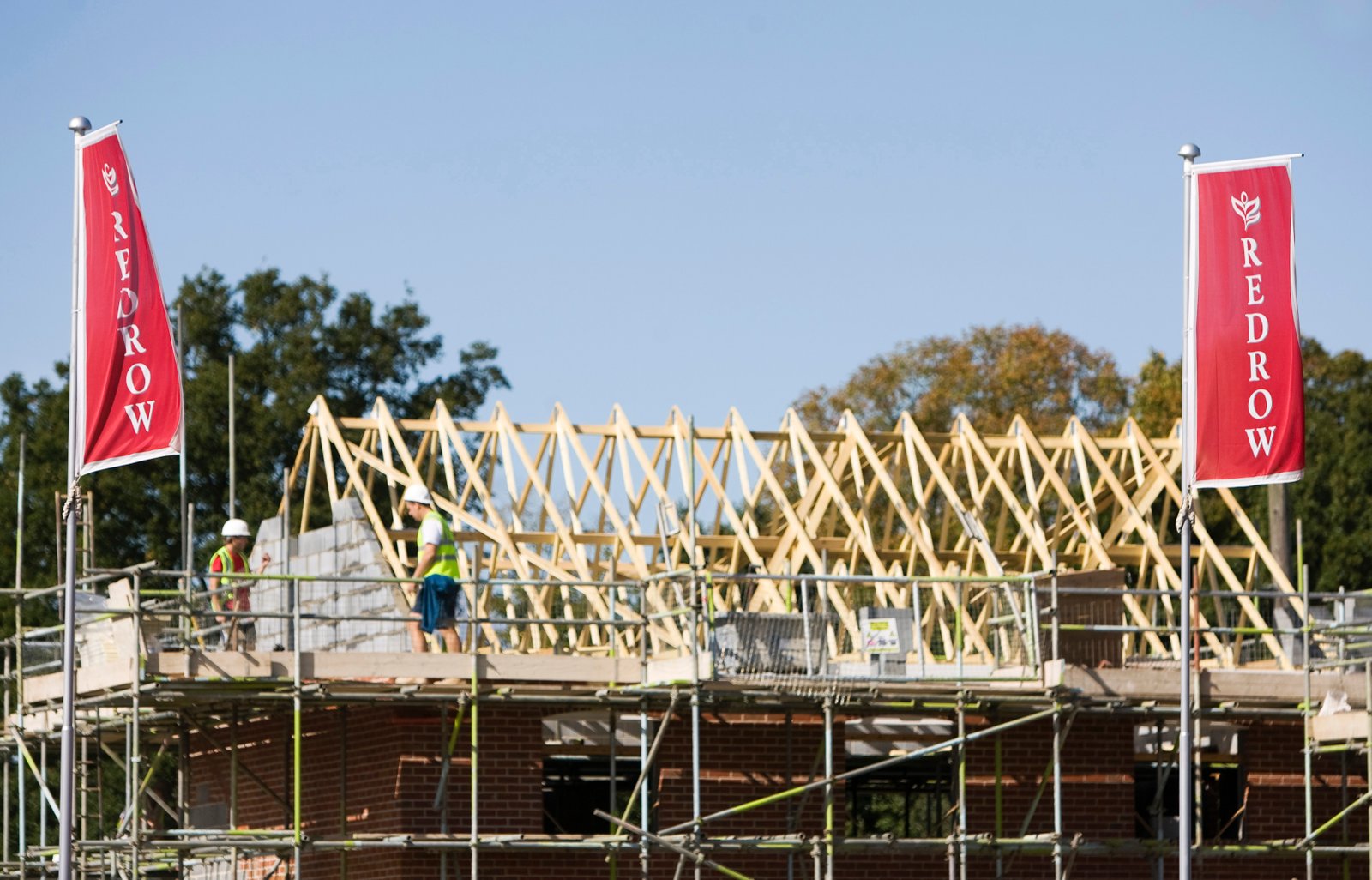
CHRIS RATCLIFFE/GETTY IMAGES
Barratt Redrow has maintained its full-year guidance as home completions rose despite a soft housing market and uncertainty ahead of the budget.
The housebuilder said total completions in the 17 weeks to October 26 rose 7.9 per cent to 3,665 homes, even as private reservation rates eased to 0.57 per site per week from 0.59 a year earlier.
It still expects completions of between 17,200 and 17,800 homes for the full year, with about 40 per cent expected in the first half.
Cyberattack leaves Marks profits down 99 per cent
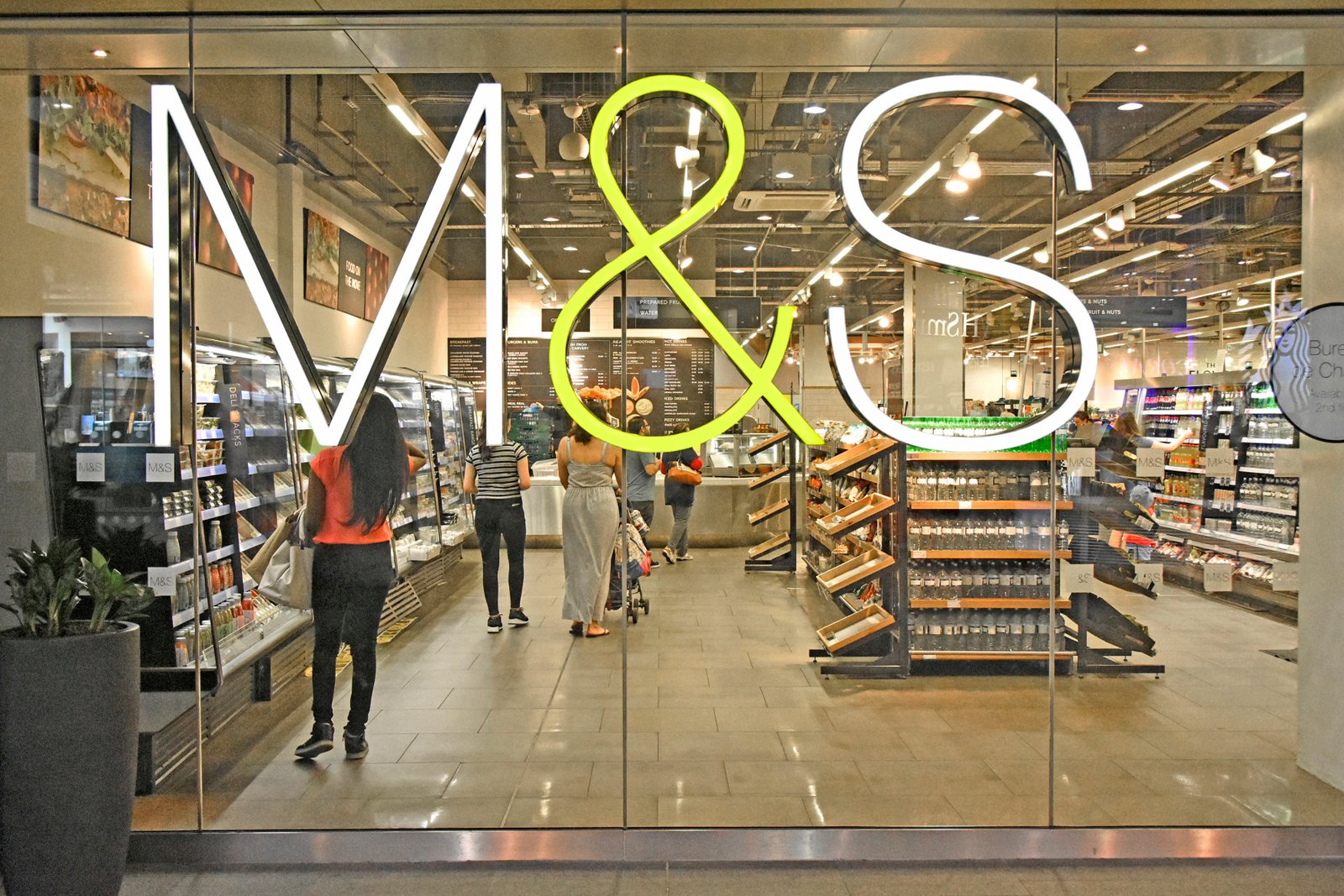
The high street stalwart Marks & Spencer has revealed the hit from the Easter cyberattack which crippled the retailer, closing its website and forcing store managers to resort to manual ordering.
Pre-tax profits fell 99 per cent to £3.4 million in the six months to the end of September, from £391.9 million over the same period last year. Adjusted pre-tax profit fell 55.4 per cent to £184.1 million, down from £413.1 million.
Revenue over the period rose 22.1 per cent to £7.96 billion. Food sales rose 7.8 per cent compared with the same period last year. Clothing and home sales fell 16.4 per cent.
Stuart Machin, chief executive, said: “The first half of this year was an extraordinary moment in time for M&S. However, the underlying strength of our business and robust financial foundations gave us the resilience to face into the challenge and deal with it. We are now getting back on track.”
Marks & Spencer’s profits fall after £136m hit from cyberattack
Why Michael Burry is wary
Here’s what Michael Burry, the hedge fund manager portrayed by Christian Bale in the film The Big Short, thinks about the AI bubble.
He has bought put options that profit from share price declines in Nvidia and Palantir Technologies.
Big Short investor places $1.1bn bet against leading AI stocks
The bets, disclosed in regulatory filings by Scion Asset Management, Burry’s California-based investment firm, come after the investor made his first post on X, the social media platform, in more than two years, warning of an AI bubble.
Please enable cookies and other technologies to view this content. You can update your cookies preferences any time using privacy manager.
Nervous investors sell AI-related shares
A global market sell-off has continued on concerns about AI-related technology stocks after the Big Short investor Michael Burry placed bearish bets on Nvidia and Palantir and Wall Street executives cautioned about overstretched valuations.
The S&P 500 finished 1.17 per cent lower and the Nasdaq dropped 2 per cent. The AI chip maker Nvidia fell 4 per cent and Palantir, the software company that builds data analytics and AI platforms for governments and large enterprises, lost 8 per cent.
In Asia technology stocks were hit, with Softbank down 10 per cent, Samsung Electronics losing 6.6 per cent and SK Hynix sliding 1.9 per cent after sharp falls in early trading. The Nikkei 225 lost almost 7 per cent before easing back to trade down 2.5 per cent in later trading. South Korea’s Kospi lost 6.2 per cent at one point before clawing back losses to trade down 2.9 per cent.
European shares looked set to join the sell-off in early trading but are forecast to be less volatile. The FTSE 100 expected to open down 0.18 per cent and Germany’s Dax forecast to drop 0.4 per cent.
Bitcoin rebounded 1.8 per cent to $102,104 after falling below the $100,000 mark for the first time since June, while gold edged 1 per cent higher but was still below $4,000 an ounce.