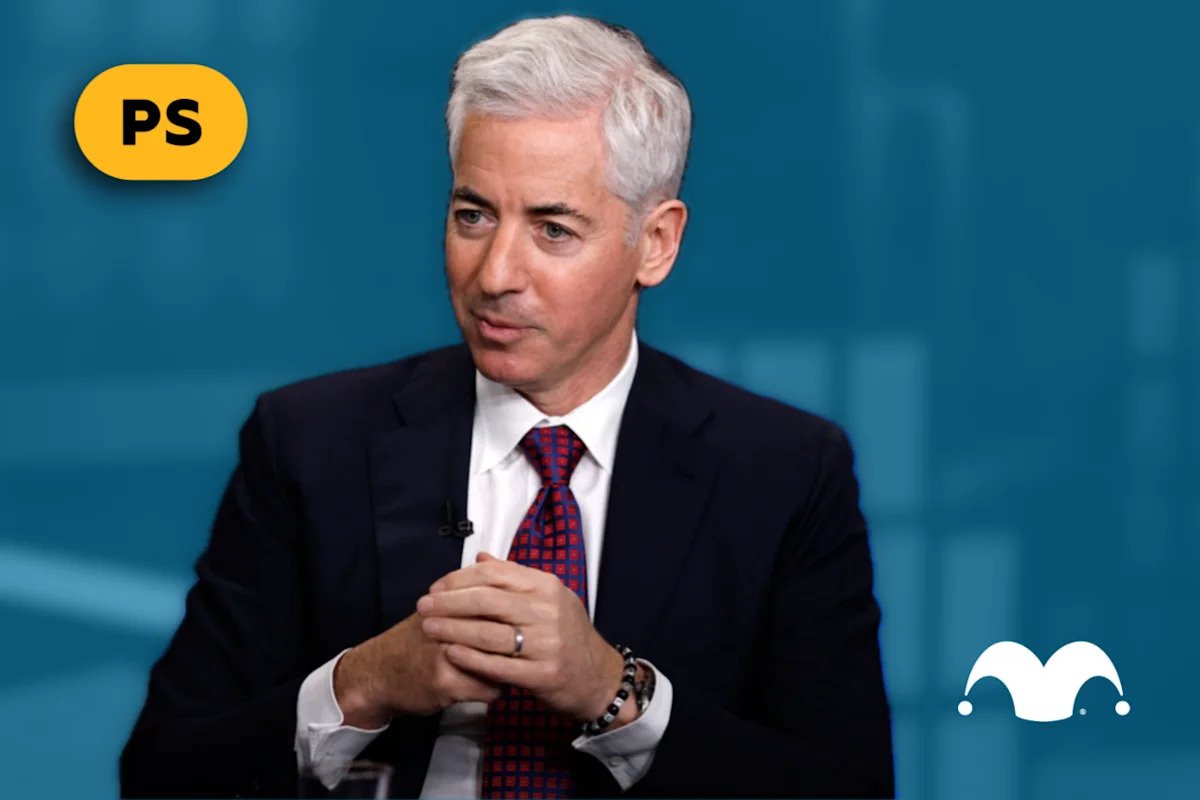
Pershing Square Inc. (NYSE: PS), the investment firm founded and run by Bill Ackman, went public in April, and the stock has soared since then.
It opened at $24 per share on April 29 as part of a combined initial public offering with the firm’s Pershing Square USA fund. Since then, PS stock skyrocketed to a high of $60 per share on Oct. 7 — a 150% gain at its peak.
Missed Nvidia in 2009? This Rare Signal Is Flashing Again. In 2009, a “Double Down” signal flashed for a little-known chipmaker called Nvidia. For the first time in years, that same “Total Conviction” signal is flashing for a company 1/100th the size of Nvidia. Continue »
But shares have plummeted over the past week, down some 25% from their Oct. 7 peak to $45 per share. The catalyst is two recent Wall Street downgrades.
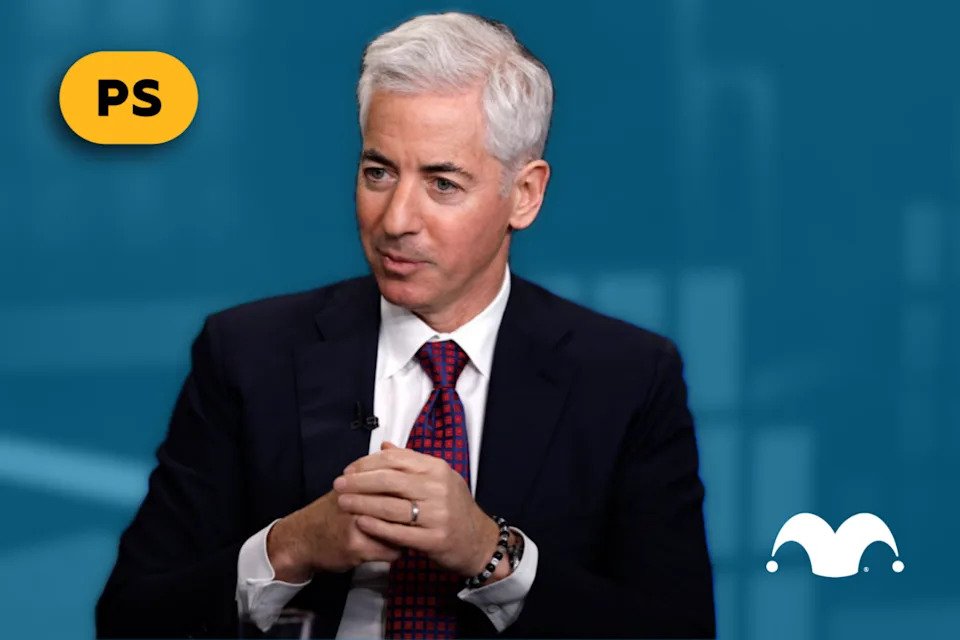
Citi and BofA downgrade PS
Last week, analysts at Citi slapped it with a sell rating, down from neutral, but maintained its $45-per-share price target. Citi cited its high valuation, trading at 54 times forward earnings expectations.
Citi lowered its earnings projections for Pershing Square in 2027 to $0.89 per share from $1.01 per share in 2027. The reduced earnings estimates are tied to tepid investment performance of Pershing Square’s funds, including its two largest, Pershing Square Holdings and Pershing Square USA. And given the uncertain market ahead, Citi expects modest returns over the next year.
Still, even with the reduced expectations, the $0.89 in earnings per share would be a significant increase over the estimated $0.51 per share adjusted earnings that analysts project for 2026. So it’s really more about the high valuation, as the stock came charging out of the gates in April.
This week, BofA followed suit, downgrading Pershing Square stock to underperform, from neutral, and lowering its price target from $54 per share to $38 per share.
The $38-per-share target would suggest a 15% decline over the next 12 months for the stock.
Analysts at BofA largely expressed the same concerns — the high valuation in the face of modest or negative returns. Pershing Square generates a significant amount of revenue from investment management fees, so when asset levels drop, fees decline as well.
Should you buy or sell?
Pershing Square stock has had a great run since its IPO, but it appears to be a victim of its own success. The stock looks overvalued, and investors likely took some profits when it peaked at 60.
Looking ahead, it plans to launch a new fund, Pershing Square Ventures, a private equity fund that will offer investors access to pre-IPO stocks, by the end of 2026. This could help balance out the firm’s revenue stream.