Jeremy Kahn, Leo Schwartz
16 min read
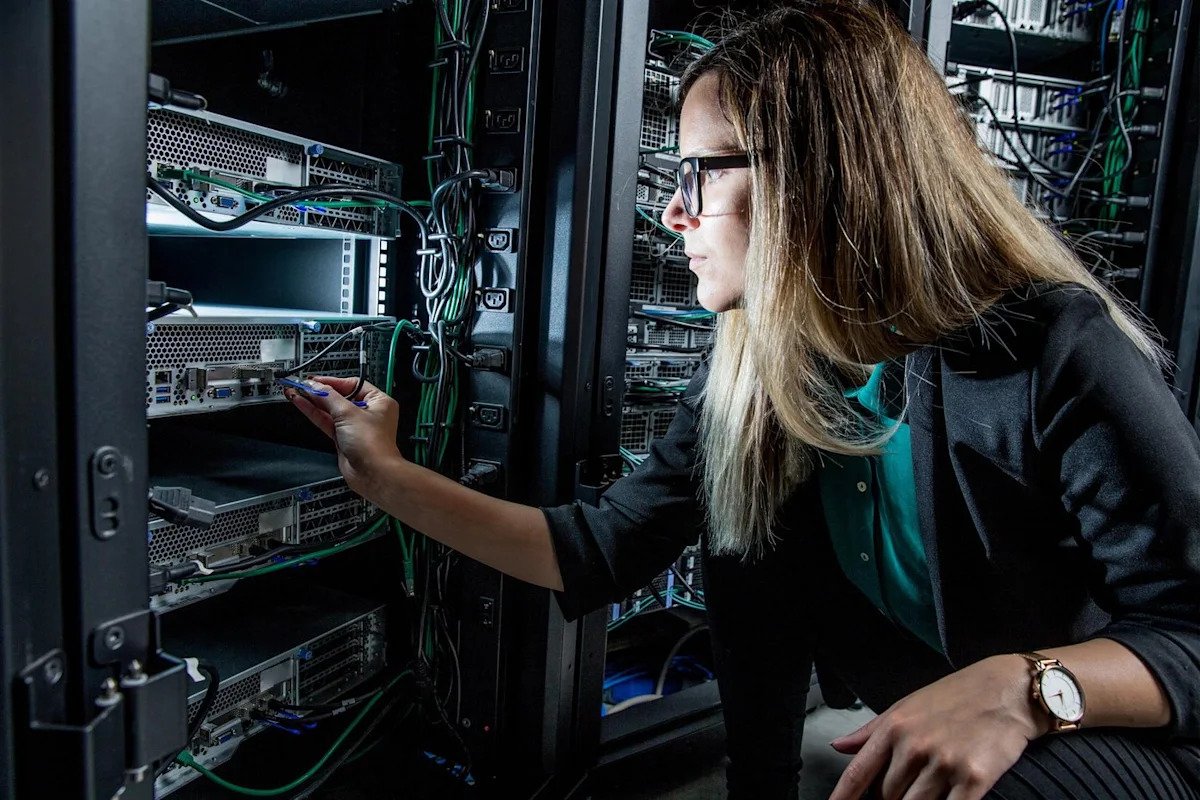
A vast data center in Plano, Texas, is a symbol of the enormous AI infrastructure boom that has boosted stock markets and driven U.S. economic growth over the past year. The data center occupies more than 450,000 square feet and cost $1.6 billion to construct and equip. It supplies 30 megawatts of computing power to train and run AI models. Yet the company that runs it is a leading candidate to be ground-zero for a future AI financial meltdown.
The data center is one of dozens around the world operated by CoreWeave, a company that develops and manages data centers and sells their computing capacity to technology companies. Its business is at the center of the AI economy—providing computing power to meet the voracious demand of the likes of Microsoft and OpenAI. But CoreWeave doesn’t own the Plano facility, nor does it own most of the data hubs it’s operating. And that is a part of the problem.
The company is built, by its own admission, on a mountain of debt—obligations it has piled up as it races to build out a network of server farms for its customers. And that mountain looms far larger than the piles of cash that CoreWeave has brought in the door so far. When the company announces earnings on Monday, bulls and bears alike will be watching to see how its revenue is growing, and whether it has been able to pare its losses. CoreWeave’s earnings are likely to be a bellwether for the state of the entire AI boom, and for the industry’s massive and expensive infrastructure buildout in particular.
CoreWeave has $7.6 billion in current liabilities—bills that fall due within 12 months—on its balance sheet, and $11 billion in debt overall, according to its most recent quarterly earnings report, filed in August. Coming from a tech giant like Google or Microsoft with tens of billions in free cash flow, such numbers wouldn’t raise an eyebrow. But CoreWeave’s revenues were only $1.9 billion in 2024. On its Q2 earnings call, CEO Michael Intrator told analysts that full year 2025 revenue would land between $5.15 billion to $5.35 billion. On the same call, the CEO said he expected CoreWeave’s capex for the year would total between $20 billion and $23 billion.
Those short-term figures pale beside a bigger and potentially more onerous obligation that isn’t on its balance sheet: the $34 billion in scheduled lease payments that will start kicking in between now and 2028. Many of those payments are stretched over relatively long terms, of 10 years or more. Still, some of this is for data centers and office buildings that have not yet begun to operate or bring in revenue—representing a vulnerability if any of the as-yet-unprofitable startups CoreWeave sells computing services to are unable to meet their contractual obligations, or if construction delays mean CoreWeave is not able to provide capacity on time, allowing customers to cancel contracts.