The S&P 500 (^GSPC +1.65%) is up by nearly 26% over the past year, as of this writing. Despite the record-breaking performance, however, many investors are feeling nervous about the stock market.
The Fear and Greed Index measures investor sentiment on a scale from 0 to 100, with lower numbers indicating “fear” and higher signalling “greed.” The metric dropped from 65 one month ago to 34 as of this writing, firmly in the “fear” category.
Also, nearly 48% of U.S. investors believe stock prices will be lower six months from now, according to the most recent weekly survey from the American Association of Individual Investors, with only 30% optimistic that the market will continue climbing.
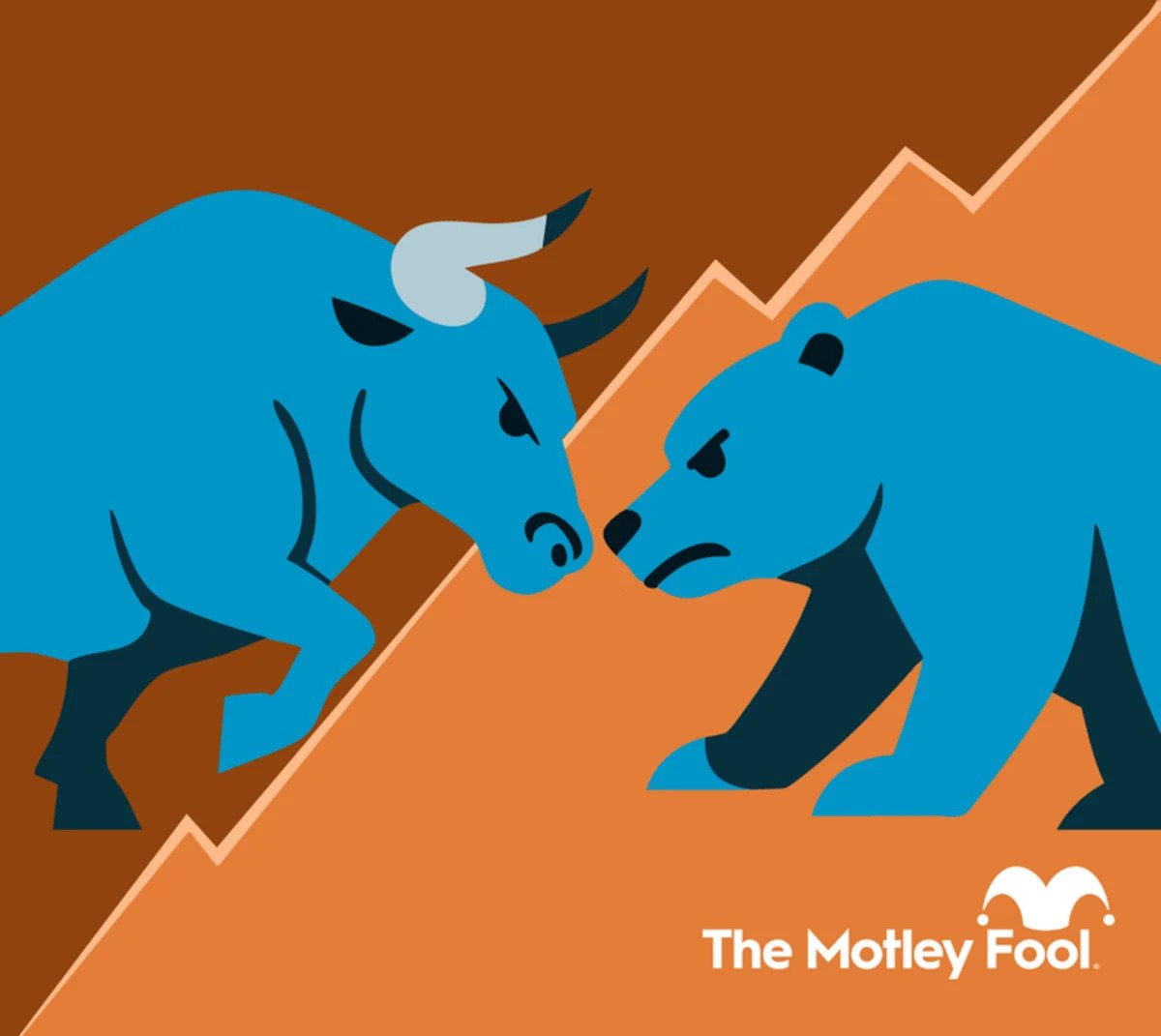
While it’s impossible to say where the stock market is headed in the short term, there’s one crucial move all investors should make right now.

Image source: Getty Images.
The move that will make or break your portfolio
If a market downturn is looming, choosing the right stocks is more important than ever. Many stocks have surged as the market reaches new all-time highs, but a soaring stock price doesn’t always equate to a healthy investment.
Many stocks are overvalued right now, meaning their prices no longer reflect their underlying business fundamentals. These companies may thrive in the short term, but they could also have further to fall during the next market correction.
Some particularly risky and hype-driven stocks may not recover from a market downturn at all. Companies with shaky foundations may not be financially stable enough to weather an economic downturn, and they could crash and burn during the next bear market or recession.
What does a healthy stock look like?
When researching stocks, it’s wise to look beyond share price. High performers can still be smart buys, but only if their core fundamentals are strong enough to support long-term growth. A few of the key factors to analyze include:
- The stock’s industry: Overall industry health is a key factor in determining a stock’s success. If the company itself is healthy but it’s part of a dying industry, it may struggle to thrive over the long term.
- A competitive advantage: Every company needs something to set it apart from its peers, especially in highly competitive industries. Without a competitive advantage — whether it’s more affordable pricing, superior customer service, or proprietary products or information — a stock is more likely to fall behind.
- Leadership quality: The executive team can make or break a company. Competent leaders can guide a business through rough patches while strengthening any weaknesses, while leaders with a history of poor management choices risk damaging previously strong organizations.
- Key financial metrics: Strong finances will help an organization survive economic downturns. Key metrics such as the price-to-earnings (P/E) ratio, price/earnings-to-growth (PEG) ratio, and price-to-book (P/B) ratio can help investors determine whether a company is on solid financial ground.
Now more than ever, it’s crucial to choose your stocks wisely when investing. Even the healthiest stocks are not immune to volatility, but history shows that those with solid foundations are most likely to deliver positive long-term returns.
Katie Brockman has no position in any of the stocks mentioned. The Motley Fool has no position in any of the stocks mentioned. The Motley Fool has a disclosure policy.