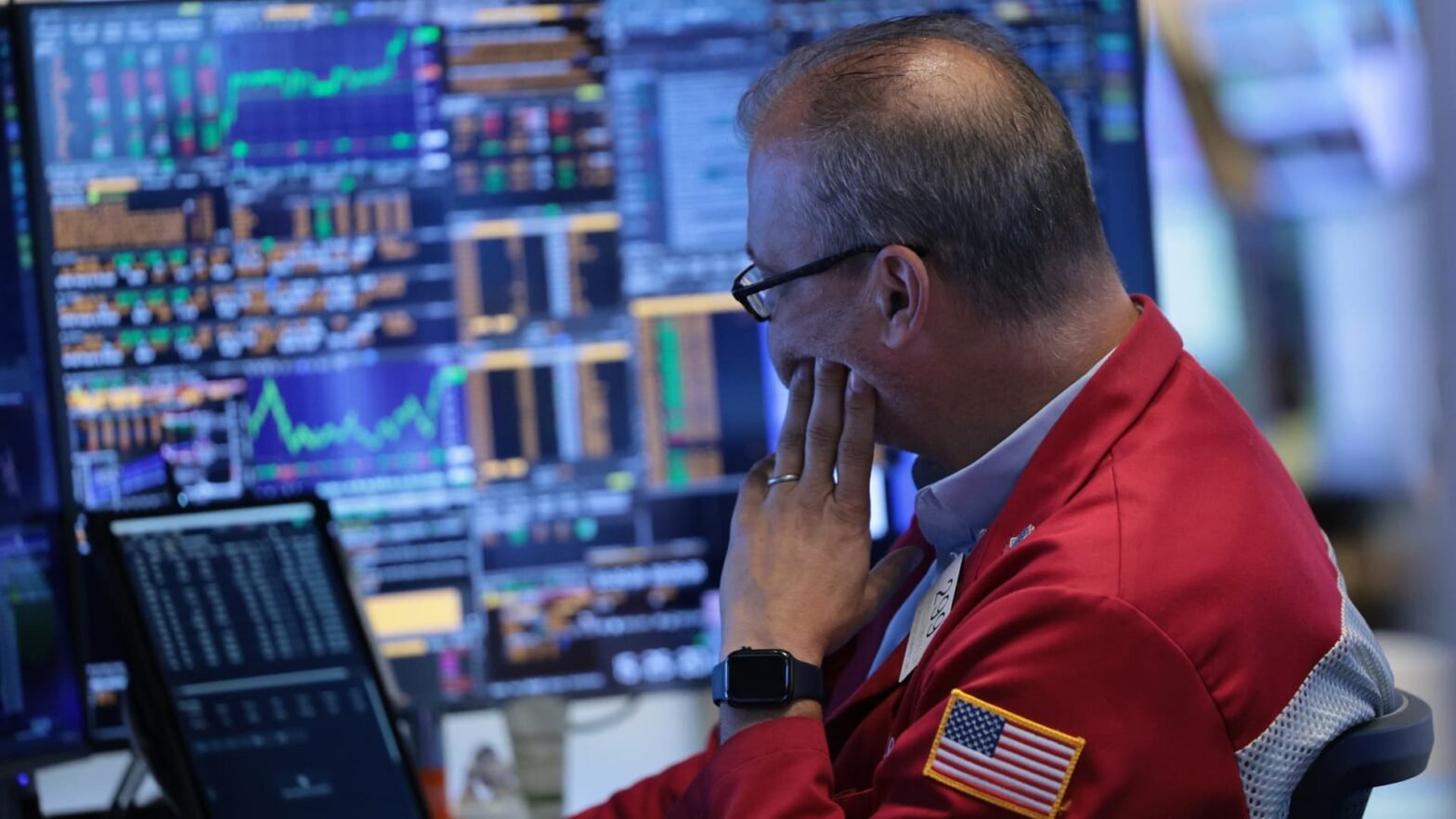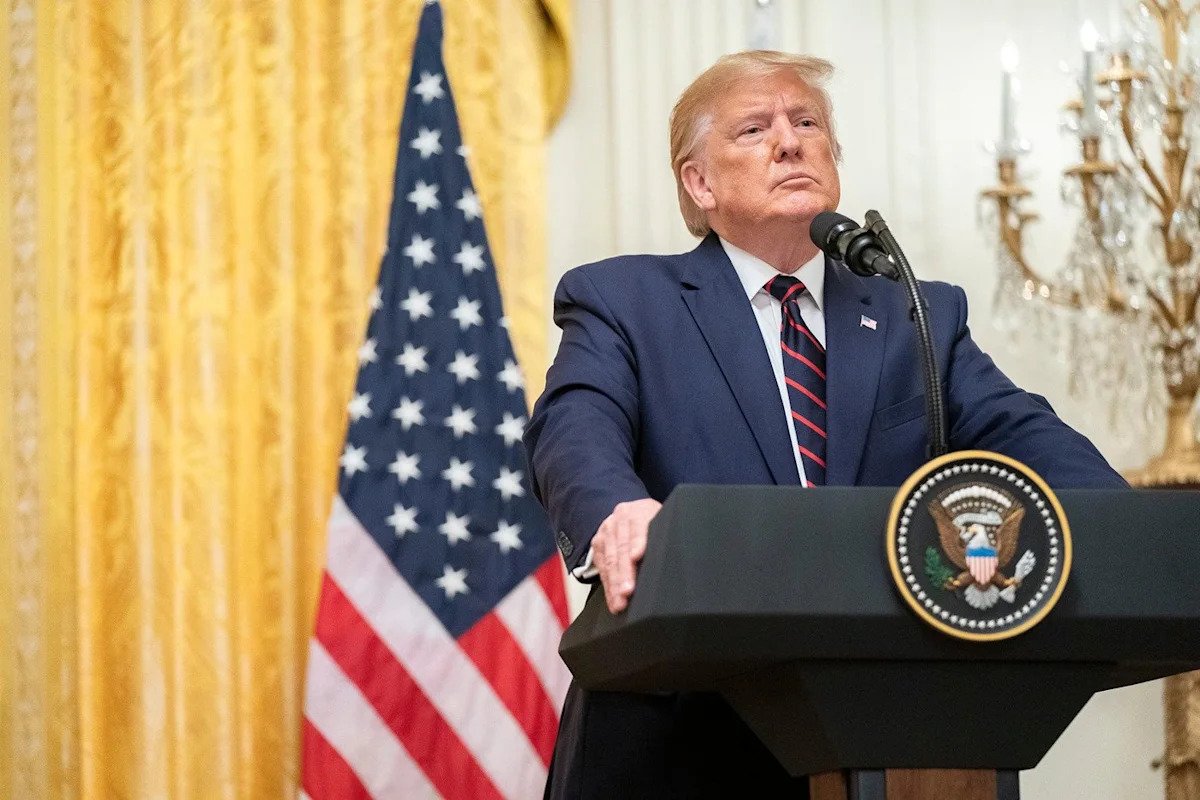
Despite periods of outsize volatility, the stock market has a rich history of outperforming with President Donald Trump in the White House. Following respective gains of 57%, 70%, and 142% during Trump’s first, non-consecutive term, the Dow Jones Industrial Average (DJINDICES:^DJI), S&P 500 (SNPINDEX:^GSPC), and Nasdaq Composite (NASDAQINDEX:^IXIC) have gained 21%, 28%, and 34% since his second term began.
But a strong argument can be made that Wall Street’s major stock indexes aren’t accurately reflecting the danger that lurks beneath the surface. Persistently elevated inflation, caused in part by Trumpflation (inflation driven by Trump’s policies), has significantly heightened the odds of a Federal Reserve rate hike on Sept. 16.
Missed Nvidia in 2009? This Rare Signal Is Flashing Again. In 2009, a “Double Down” signal flashed for a little-known chipmaker called Nvidia. For the first time in years, that same “Total Conviction” signal is flashing for a company 1/100th the size of Nvidia. Continue »
If the Federal Reserve acts, it could be the Trump bull market that pays the price.
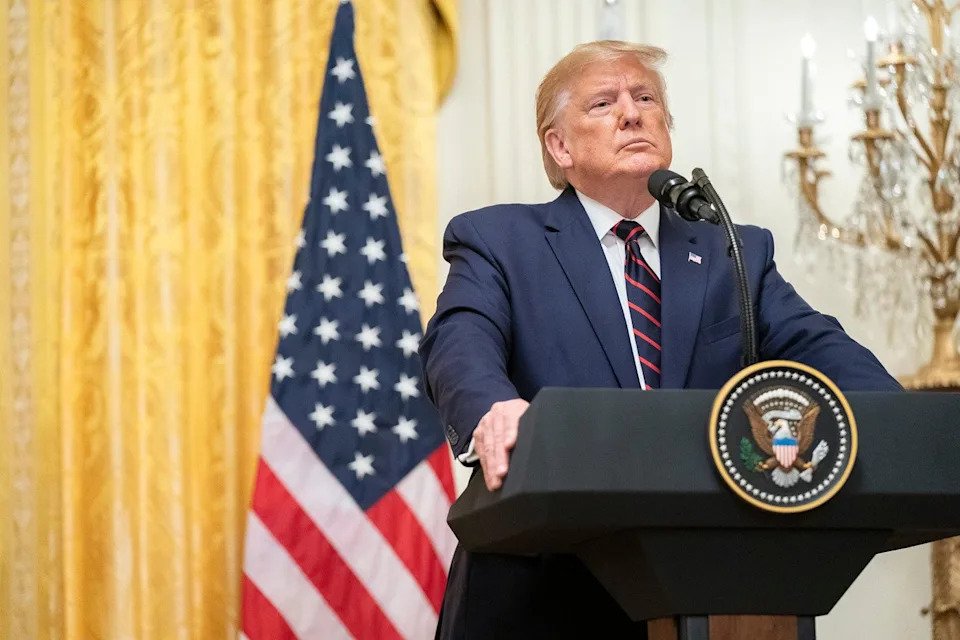
Higher interest rates may doom the Trump bull market. Image source: Official White House Photo by Shealah Craighead, courtesy of the National Archives.
Trumpflation and the AI revolution are projected to force the central bank into action
When the U.S. economy is expanding, economists expect businesses to possess modest pricing power over their goods and services, leading to moderate inflation (rising prices). In May, the trailing 12-month U.S. inflation rate reached a three-year high of 4.2%.
President Trump’s policies have been the biggest driver of inflation in 2026. The president’s tariff policy — the Trump administration imposed sweeping global tariffs on more than 80 countries in late July — is adding duties to unfinished imported goods (e.g., steel), which can increase domestic production costs and consumer prices.
The Trump-led Iran war is also pushing up prices on two fronts. In addition to soaring energy prices stemming from Iran’s closure of the Strait of Hormuz, core inflation data suggest that Iran-war-driven inflation has reached the broader economy. In other words, Trumpflation isn’t limited to the energy sector.
Furthermore, the Federal Open Market Committee (FOMC) has cited artificial intelligence (AI) as a source of higher prices. While the overwhelming demand for AI infrastructure is boosting corporate America and the stock market, the supply-demand mismatch, coupled with otherworldly pricing power for AI hardware companies, is sending prices to the moon.