Lee Jackson
7 min read
Quick Read
-
Berkshire Hathaway sits 5% off its all-time high with $365 billion in cash and buybacks resuming after a 21-month pause.
-
Greg Abel invested $15 million in Berkshire shares, an amount equal to his entire after-tax annual salary, and commits to repeat the purchase annually.
-
Berkshire’s Q2 operating earnings surged 16% to $13 billion, with quarterly revenue topping $102 billion across 800-plus global subsidiaries.
-
Just released. Our analysts combed the entire stock market and named the ten best stocks to buy right now, and Berkshire Hathaway didn’t make the cut. Enter your email to see the names that beat BRK-B. The report is free. Enter your email and see if any of your stocks made the cut.
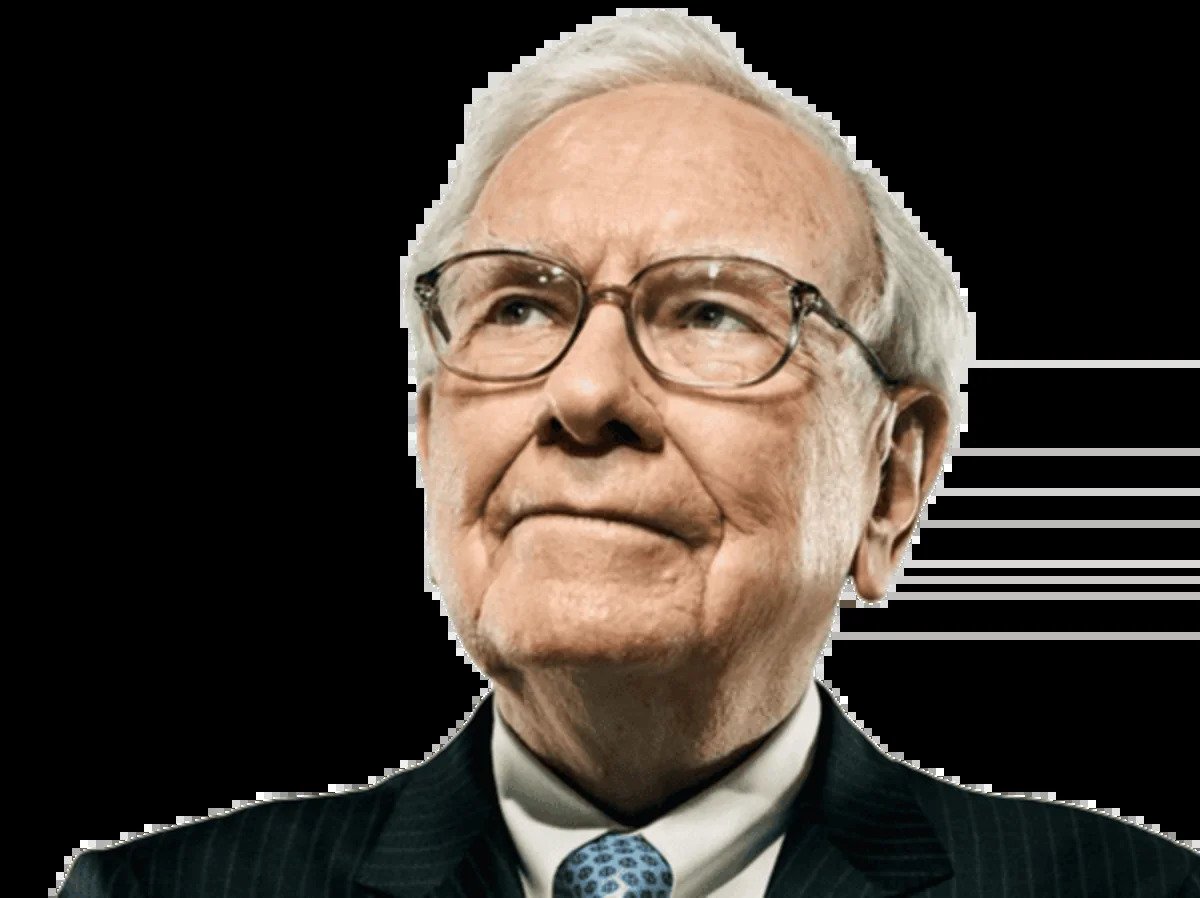
Warren Buffett stepped down as CEO of Berkshire Hathaway (NYSE:BRK.B) on December 31, 2025, after six decades of leading the conglomerate he transformed from a struggling textile mill into a $1 trillion empire. The “Oracle of Omaha” left his successor, Greg Abel, with a very concentrated portfolio: 77% of Berkshire’s $355 billion equity portfolio is invested in just seven stocks. Abel, who has served as vice chair overseeing non-insurance operations, officially took over as CEO on January 1, 2026. At 95, Buffett isn’t fully retiring, but he did recently step down as board chair and announced that his son, Howard, will take his place. Warren Buffett remains chairman emeritus.
——
Free Report, Just Released
Why Didn’t BRK-B Make The Top 10 List?
24/7 Wall St has helped investors make money for over two decades, and our top analysts just finished ranking the definitive Top 10 Stocks To Buy Now. Not the ten biggest companies. Not the ten everyone is arguing about. The ten best stocks to buy right now.
And BRK-B didn’t make the cut!
The report is free, and you can see why we think each stock is a top investment today.
Enter Your Email and See the Ten →
——
While Berkshire Hathaway has erased some of its 2026 underperformance against the S&P 500, it still boils down to a few compounding and frustrating headwinds: a $365 billion cash pile earning T-bill yields while the market rallied hard, a deliberate retreat from equities at exactly the wrong time, and a leadership transition that shook investor confidence. Its sheer size makes transformative acquisitions nearly impossible, and its “old economy” focus on railroads, insurance, and energy meant it missed the AI-driven tech surge that powered index returns. Remember, the S&P 500 and the Nasdaq are up this year only because the technology sector outperformed. In short, Berkshire was penalized for being cautious and conservative, though for patient, long-term investors, that may ultimately prove to be a feature, not a bug.