Stocks soared on Wednesday as investors reacted to Democrats’ sweeping win in the midterm elections.
The Dow Jones Industrial Average finished up 3.2%, while the S&P 500 (^GSPC +1.58%) gained 1.8%, and the Nasdaq Composite closed 1.4% higher.
The surge seemed to take Wall Street by surprise as stocks had initially fallen when results started to come in on fears of a data center backlash. However, by the time markets had opened on Wednesday, those fears seemed fully absorbed. While stocks with exposure to the AI infrastructure market fell on Wednesday, the rest of the market soared as investors cheered decisive results, President Trump’s acceptance of his party’s defeat, and a renewed potential for interest rates and inflation to come down, and for the war in Iran to end, bringing down oil prices.
Stocks tend to go up after an election as investors appreciate the degree of certainty that’s been revealed, but Wednesday’s gain was especially strong. Does it signal more to come? Historically, stocks perform particularly well during the third year of a presidential term.
Let’s take a look at what history says about the current market cycle, and why it could be a great time to invest.

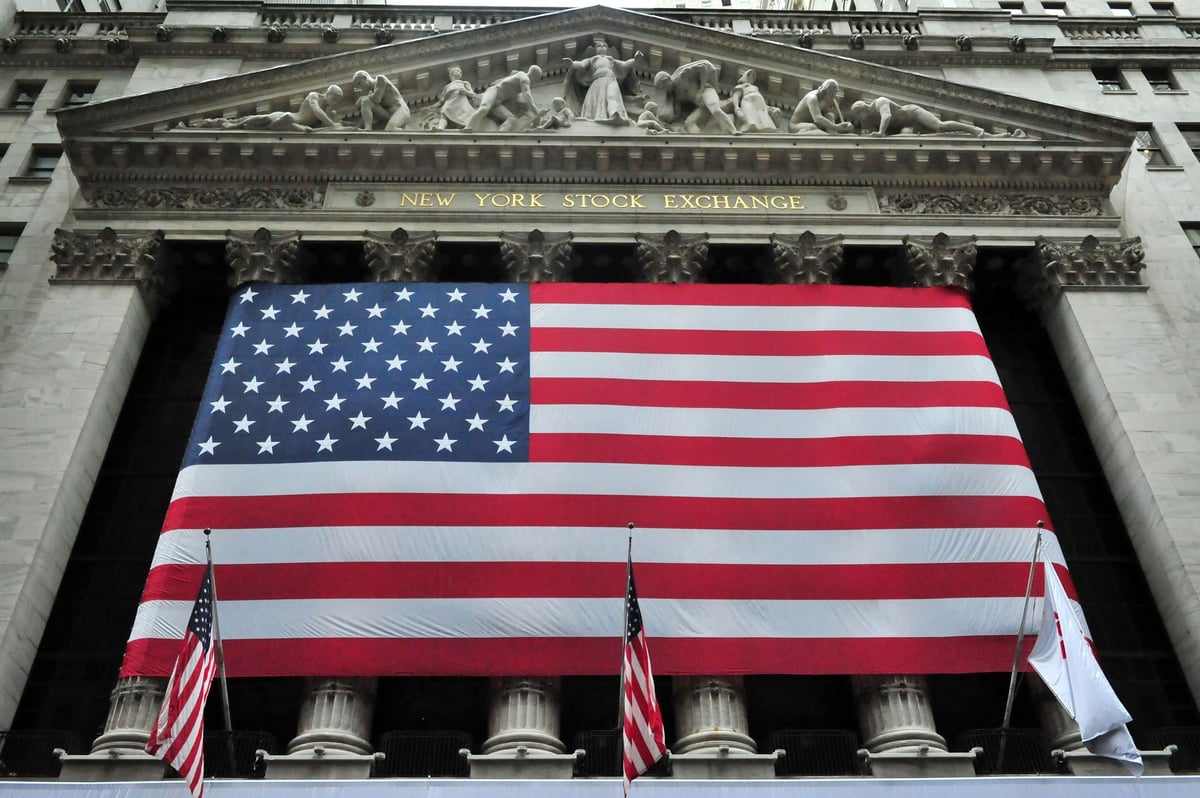
Image source: Getty Images.
What the stock market does in the third year of a presidential term
Historically, the third year of the four-year term is the strongest and most reliable period for the stock market. On average, the S&P 500 has gained 13.7% in the third year of the presidential cycle since 1980, and positive returns happen 78%-91% of the time, depending on the period that’s cited.
According to the Presidential Election Cycle Theory, the midterm election often leads to economic stimulus as incumbent administrations typically look to improve the economy ahead of the next presidential election. Historically, the Federal Reserve has also been more accommodative during the third year, though that may happen in this cycle. Finally, Wall Street also prefers the sense of political certainty coming out of the midterm election.
From the week before the midterm to the end of the following year, a period of about 14 months, the S&P 500 has gained every time in the last 19 cycles, a remarkable streak, with an average gain of 20.3%.
Why this year could be better than average
In addition to the tailwind from this stage of the presidential cycle, stocks also look poised for further gains because investors, in particular, like a divided government, and with Democrats taking solid control of both houses of Congress and President Trump still in the White House, the government is clearly divided between both parties.
Wall Street prefers a divided government because it creates gridlock and makes it less likely that any extreme legislation passes. Investors also typically move back into stocks after the election as the risk of unsatisfying results has passed.
Finally, stocks tend to perform better from November through April than from May through October. There’s no perfect explanation for that trend, but institutional investors tend to rebalance in the fourth quarter, corporate and holiday bonuses get put into the market, and tax-loss harvesting at the end of the year can also help. Alternatively, trading volumes tend to be lower in the summer when people go on vacations and aren’t as plugged into the market.
What it means for investors
Investors should keep in mind that these are just historical averages or trends, and that this historical pattern won’t be able to overcome a black swan event or deeper, structural challenges, should they arrive.
However, the market’s reaction on Wednesday bodes well for more gains. Though AI infrastructure stocks fell on worries about a data center slowdown, hyperscalers popped as investors bet that they would benefit from a slower AI expansion plan.
Nine out of 11 stock market sectors moved higher, with only energy and industrials falling. It’s just one session, but stocks are off to a good start post-midterms, and the pieces are there for more gains.