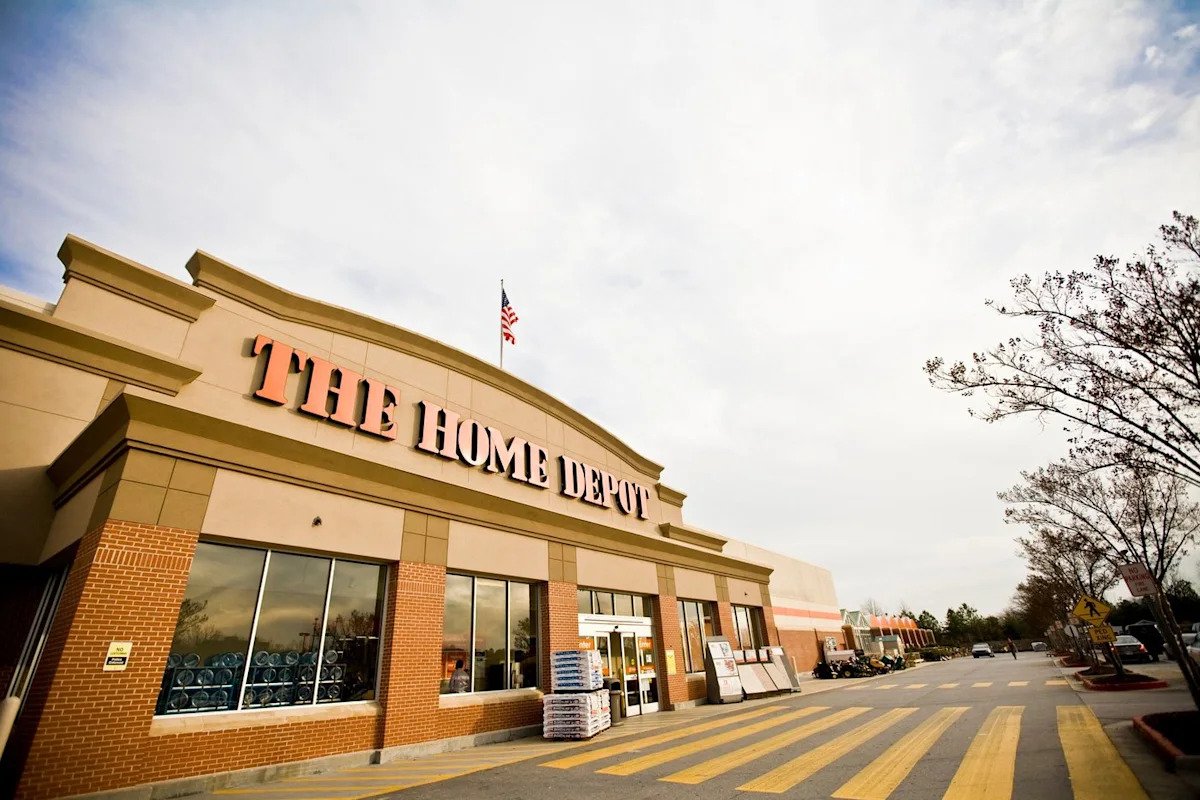
The Home Depot (NYSE:HD), the world’s largest home improvement retailer, is selling into one of the toughest housing markets in years. Existing homes sold at an annual pace of just 3.75 million in October, and the average 30-year mortgage rate sat near 7.3% in the latest weekly reading from Freddie Mac. That weight has pulled the stock down about 23% from its all-time high in December 2024.
That’s frustrating for shareholders, but long-term buyers should welcome it. When housing is booming, home improvement stocks will trade at higher valuations and offer lower dividend yields. Meanwhile, housing wealth has kept climbing over the long run, even after the last housing bust. Federal Reserve data show that homeowners’ equity in real estate has grown by about 7% per year over the past 50 years. Here’s why Home Depot looks like a business built to keep compounding for the next decade.
Missed AI’s “Act 1”? Act 2 Could Be 16x Bigger. Most investors think they missed the AI boat because they didn’t buy Nvidia in 2005. But according to our analysts, we’re only at the end of “Act 1″—the R&D phase. “Act 2” is the global rollout. Continue »
Older homes keep the repair work coming
A house doesn’t stop needing work just because the market is frozen. On Home Depot’s latest quarterly earnings call, management said customers continued to take on smaller repair and maintenance projects in the third quarter of fiscal 2026.
The longer-term driver is the age of America’s homes. At its December 2025 investor meeting, management said 55% of U.S. homes were more than 40 years old and called the aging of the housing stock “a long-term persistent tailwind for home improvement.” The growth of homeowners’ equity gives owners money for bigger projects once rates ease. That’s demand that should keep building for years, whether or not home sales recover in the near term.
Home Depot’s stores are its advantage
Home Depot ended Q3 with 2,372 stores. Those stores double as pickup, return, and delivery hubs, and the company calls that footprint a distinct competitive advantage. At the investor meeting in December 2025, management said its real estate portfolio “simply cannot be replicated.”
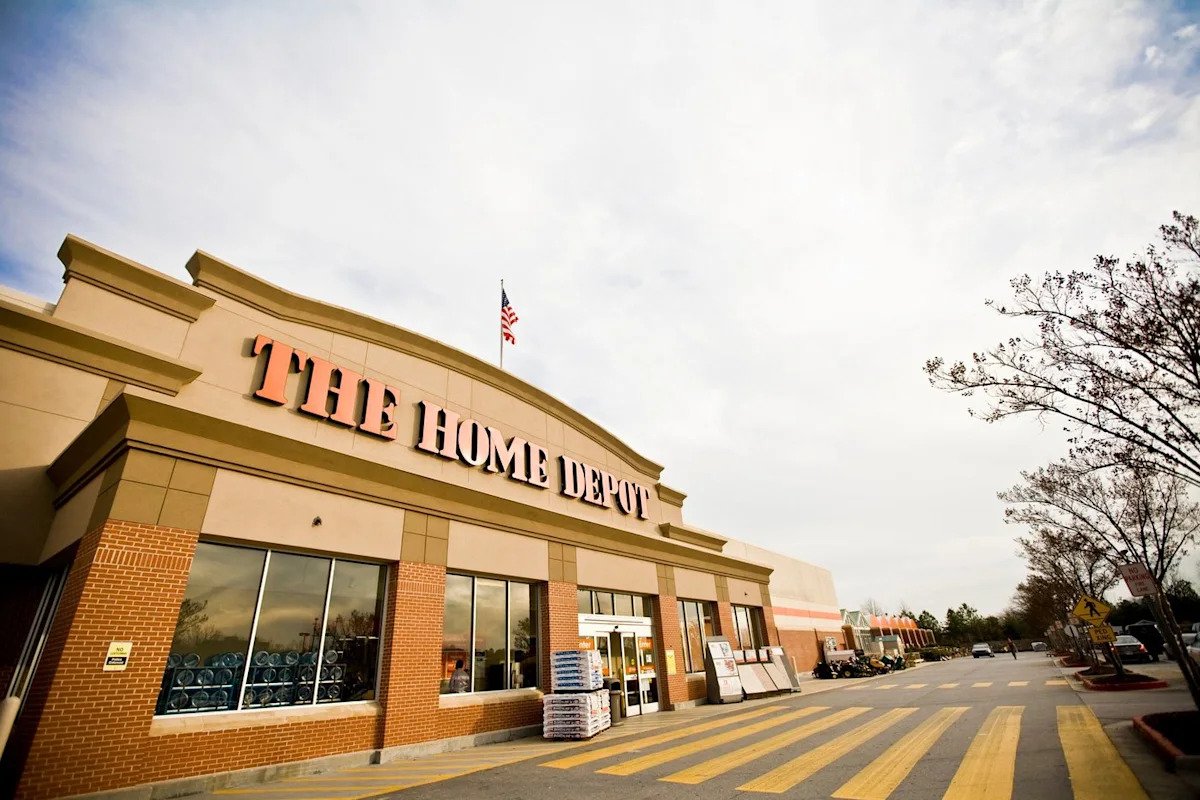
Image source: Home Depot.
The company is also building a bigger business with professional contractors. It bought SRS, a distributor of roofing, landscaping, and pool supplies, in 2024. SRS then acquired GMS, a distributor of drywall and ceiling supplies, in 2025. Management estimates its total addressable market at about $1.1 trillion, with professionals making up the larger share. Yet Home Depot holds only around 15% of it. That leaves a long runway to keep taking share, one contractor at a time.