Mitch Lawler
4 min read
-
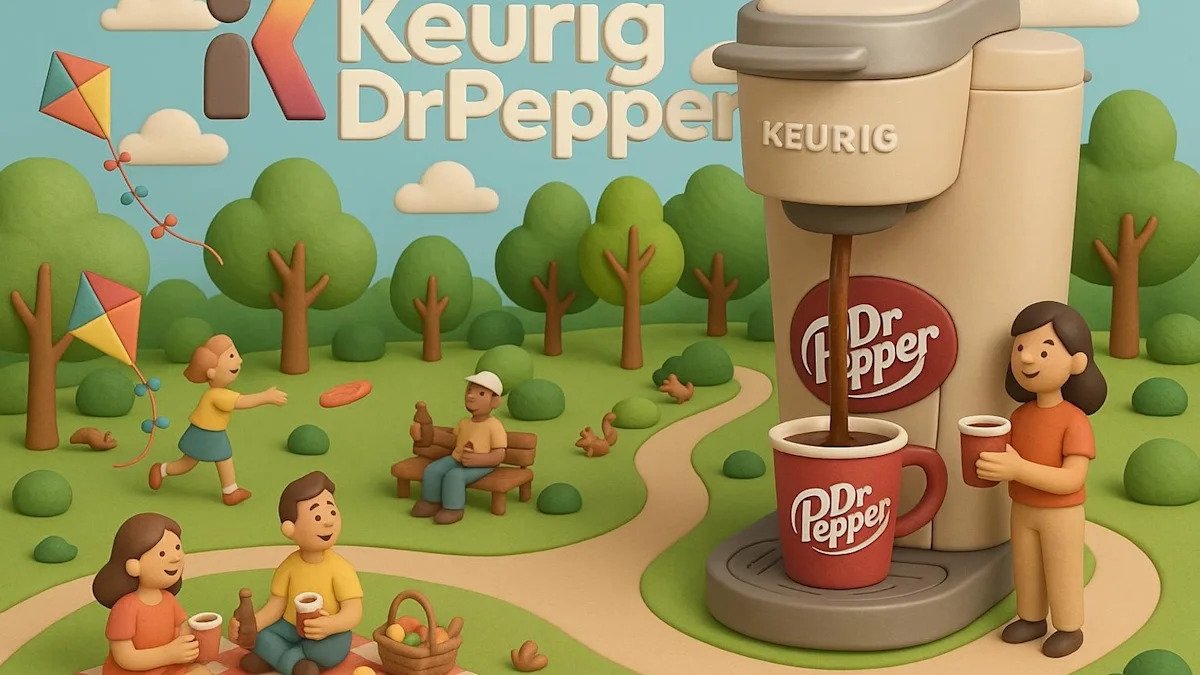
Keurig Dr Pepper completed a US$2b follow on equity offering of about 57,971,015 common shares at US$34.50 each, with proceeds allocated to repaying or repurchasing outstanding debt ahead of a planned split into two listed companies.
-
The move shifts part of the capital structure from borrowings to equity, which affects leverage targets, earnings per share calculations, and flexibility for the upcoming Beverage Co and Global Coffee Co separation.
-
This article examines how Keurig Dr Pepper’s investment narrative is reshaped by this US$2b equity raise used to pay down debt.
Compare how Keurig Dr Pepper’s balance sheet reset stacks up against other companies reducing leverage by screening for 31 resilient stocks with low risk scores, which is aligned with tighter risk profiles.
Keurig Dr Pepper Investment Narrative Recap
To own Keurig Dr Pepper, you need to believe the beverage engine keeps doing the heavy lifting while the coffee side stabilises. Recent results show U.S. Refreshment Beverages supporting the story, while U.S. Coffee still deals with softer volumes, higher input costs and category pressure. The big short term swing factor is execution on that coffee turnaround as the group reshapes into two listed entities.
The US$2b equity raise mainly affects how you think about capital structure, not the core operating story. Deleveraging may ease balance sheet risk ahead of the split, but it does not remove the key operational risk that coffee volumes, mix and tariffs could keep squeezing margins.
The reaffirmed 2026 guidance for US$25.9b to US$26.4b in net sales, part of the analyst consensus Narrative on Simply Wall St, sits in the background of this equity move. Management is signalling that, despite dilution and debt reduction, the near term business plan around beverage gains, energy partnerships and coffee integration remains intact.
For investors, the link is practical. If Keurig Dr Pepper can stay on track against that guidance while separating Beverage Co and Global Coffee Co, the main catalysts remain operational delivery on brand share, JDE Peet’s integration and cost synergies. Any stumble in coffee profitability or further compression in net margins would keep the risk side of the story front of mind.
Keurig Dr Pepper’s current analyst storyline points to revenues of US$32.4b and earnings of US$3.2b by 2029, based on an assumed 11.9% yearly revenue growth rate. That path implies earnings would need to rise by about US$1.7b from the US$1.5b reported today to reach the consensus target.