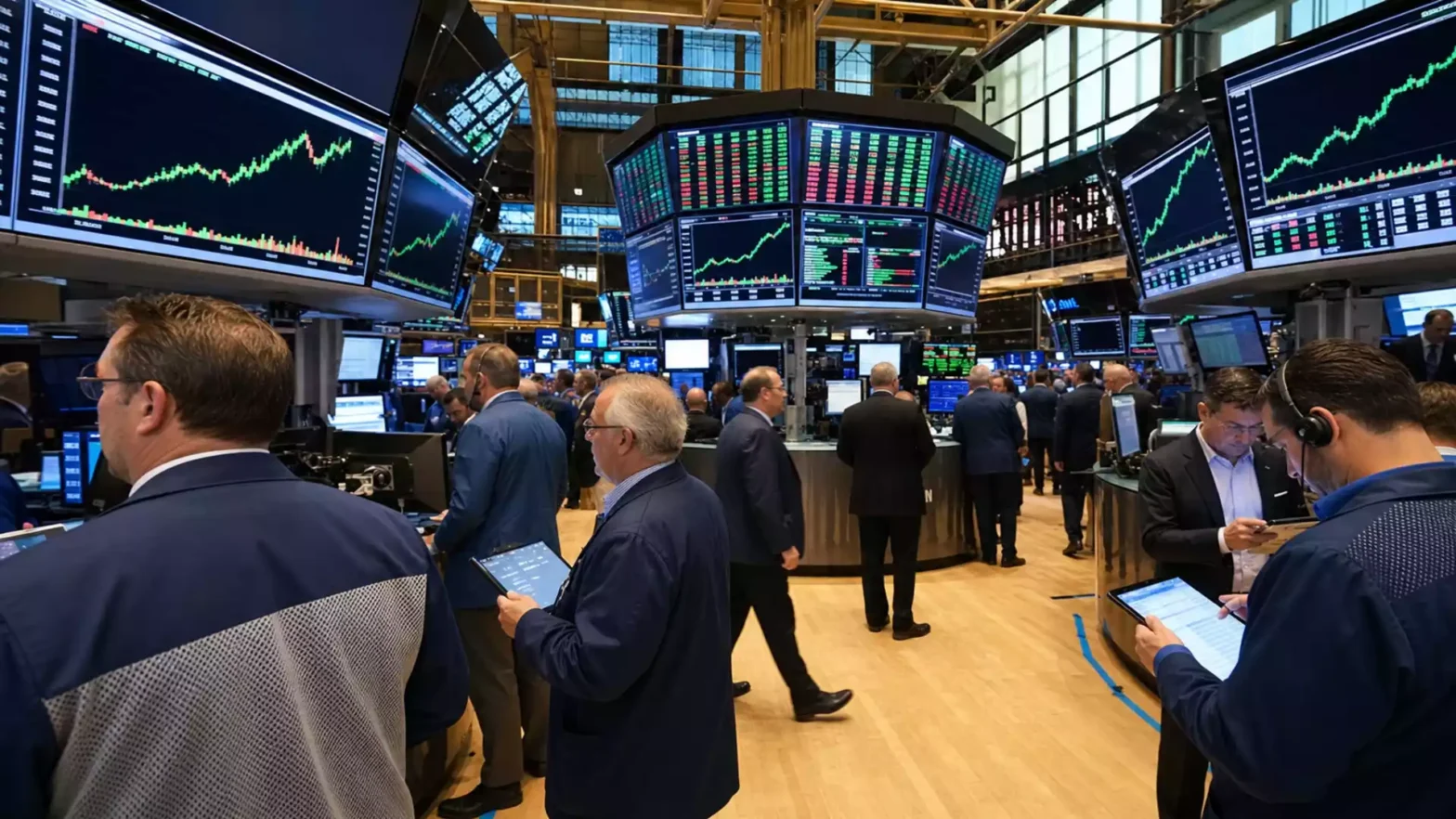
The S&P 500 (^GSPC 1.01%) and Nasdaq Composite (^IXIC 1.40%) have added 8% and 9%, respectively, this year. The driving force behind that upside has been surprisingly strong corporate earnings, especially within the technology sector.
Unfortunately, investors have reason to worry that both major indexes could drop sharply in the months ahead. Inflation tied to rising oil prices may force the Federal Reserve to raise interest rates, and midterm elections tend to make the market nervous.
However, even if those major stock market indexes crash, history says investors who simply buy the dip will come out ahead in the long run. Here are the important details.

Image source: Getty Images.
History says the stock market could suffer a steep correction in the coming months
Oil prices just notched their largest weekly gain in several months, with futures contracts for West Texas Intermediate (WTI) crude (the U.S. benchmark) and Brent crude (the international benchmark) rising roughly 13% over the seven-day period that ended on July 17. That inflationary pressure makes it more likely that the Federal Reserve will pivot to interest rate hikes this year.
So what? In the last 40 years, the Fed has initiated nine tightening cycles, meaning it has pivoted from rate cuts to rate hikes nine times. Following the first hike in each cycle, the S&P 500 and Nasdaq Composite fell by an average of 10% and 12%, respectively, at some point during the next three months. In other words, both indexes usually fell into correction territory.
Additionally, midterm elections tend to incite larger stock market drawdowns. In the last 40 years, the S&P 500 and Nasdaq Composite have declined by an average of 17% and 24%, respectively, at some point during midterm years. That happens because the political party in the White House usually loses seats in Congress, which creates uncertainty about the president’s political agenda.
Today’s Change
Index Level
7,457.69
History says investors who sit tight and buy the dip during a correction will come out ahead
The S&P 500 has suffered six market corrections in the last decade, and two of them eventually became bear markets. However, following the index’s first close in correction territory (i.e., the first day it closed at 10% below its high), the S&P 500 returned an average of 18% over the next year, and it added 40% over the next two years.
Similarly, the Nasdaq Composite has suffered nine market corrections during the last decade, and four of them eventually became bear markets. However, following the index’s first close in correction territory, the Nasdaq returned an average of 21% over the next year, and it added 39% over the next two years.
Importantly, the one thing investors should not do is attempt to time the market by selling stocks with the intention of repurchasing them in the future. It is impossible to predict the bottom of a drawdown, and many of the market’s best days occur in close proximity to its worst days.
“In the past 20 years, seven of the 10 best market days occurred within 15 days of the 10 worst days,” explains the global investment strategy team at JPMorgan Chase. “This highlights the risk of exiting the market during volatility, potentially causing investors to miss rebounds and derail long-term goals.”
The lesson here is simple: Stock market corrections are unavoidable. We may see one this year if the Fed starts a new rate-hiking cycle, and the correction could be particularly steep (perhaps even a market crash) because midterm elections tend to incite volatility. But history says investors who buy an S&P 500 index fund or Nasdaq Composite index fund — particularly after the benchmark’s first close in correction territory — will earn substantial returns in the future.