Published on
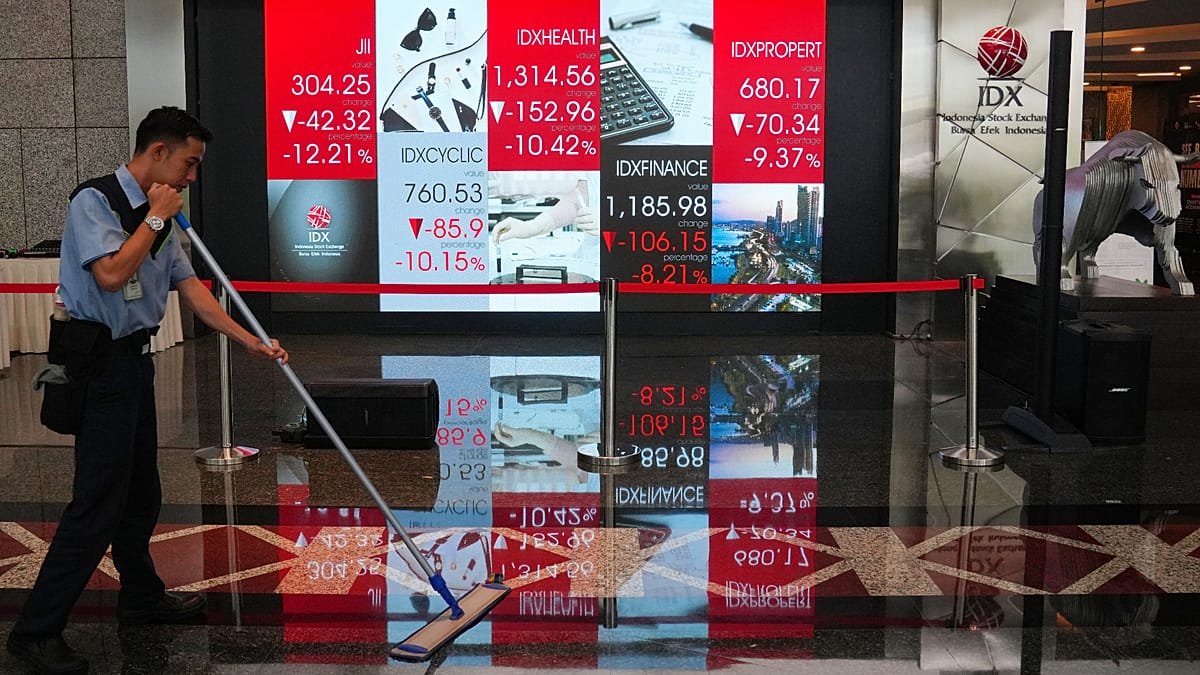
Indonesian shares lost about 11% on Friday. This was the largest single-day fall in 28 years, as the country’s stock market status came under scrutiny from one of the world’s largest stock market index providers, threatening outflows from global investment funds.
 ADVERTISEMENT
ADVERTISEMENT
MSCI said that following investors’ concerns, Indonesia’s continued emerging-market status was “no longer appropriate”. The index provider is launching a consultation on a proposal to classify Indonesia as a “Standalone Market”, which would leave the country outside MSCI’s main global market groupings.
MSCI classifies markets as developed, emerging, frontier or standalone.
The proposed reclassification would move Southeast Asia’s biggest economy out of the emerging market category, bypassing frontier market status, and put it in the same category as Jamaica, Panama and Palestine.
This could result in global funds tracking MSCI’s emerging market index having to sell their Indonesian holdings.
The index provider said in a statement that “market participants had raised significant concerns regarding the investability of the Indonesian equity market”. These include a lack of clarity in shareholding structures and suspected coordinated trading.
The index provider had already raised the possibility of downgrading the country’s status in January. Following that, authorities in Jakarta said in April they had completed reforms, hoping to avoid the downgrade.
MSCI noted that although Indonesian authorities have announced reforms, sufficient progress has not been made and “significant concerns remain around market dysfunction”.
“MSCI expects to proceed with the proposed reclassification unless the consultation identifies clear evidence of material improvements in market governance and functioning to warrant reconsideration.”
MSCI will announce its final decision by the end of June 2027.
According to Bloomberg, this comes as a hit to investors’ confidence at a time when global funds have already pulled a net $4.9bn from the country’s stock market so far this year – leaving the country on track for the worst year ever. Jakarta’s benchmark index has fallen approximately 39% since January, dragging down the local currency; the rupiah has lost about 8%. That’s even as Bank Indonesia reiterated its commitment to maintaining rupiah stability.