Interest rates are on the rise. At least that’s the expectation for most experts. “The debate has shifted from whether the Fed hikes in December to how aggressively it moves,” warns economist Anthony Smith.
Rising rates have various impacts on different stocks. Some companies experience a net benefit. Others are clear losers in a rising rate environment. Most, however, have a mix of benefits and drawbacks.
Missed AI’s “Act 1”? Act 2 Could Be 16x Bigger. Most investors think they missed the AI boat because they didn’t buy Nvidia in 2005. But according to our analysts, we’re only at the end of “Act 1″—the R&D phase. “Act 2” is the global rollout. Continue »
Berkshire Hathaway (NYSE:BRKA)(NYSE:BRKB) is one of the market’s most fascinating cases. The conglomerate owns dozens of businesses across dozens of sectors. Breaking down exactly how the company will fare in a rising rate environment can be difficult.
But there are three major moving pieces to pay attention to right now. Let’s look at each.
1. Berkshire’s cash hoard will directly benefit
Warren Buffett is no longer the CEO of Berkshire. But in his final years, he amassed a sizable cash position for the company. In 2016, Berkshire had less than $100 billion in cash. When Buffett stepped aside last year, he left the firm with a record cash position of more than $350 billion.
Investors were curious to see what would happen to all this capital once Greg Abel took over as CEO. So far, Abel has accumulated even more cash. Berkshire’s cash pile reached $377.4 billion last quarter.
For every 0.25% increase in interest rates, Berkshire will earn nearly $1 billion in additional interest income annually. So while elevated cash may or may not be in the best interests of shareholders long term, higher interest rates should directly result in higher interest income.
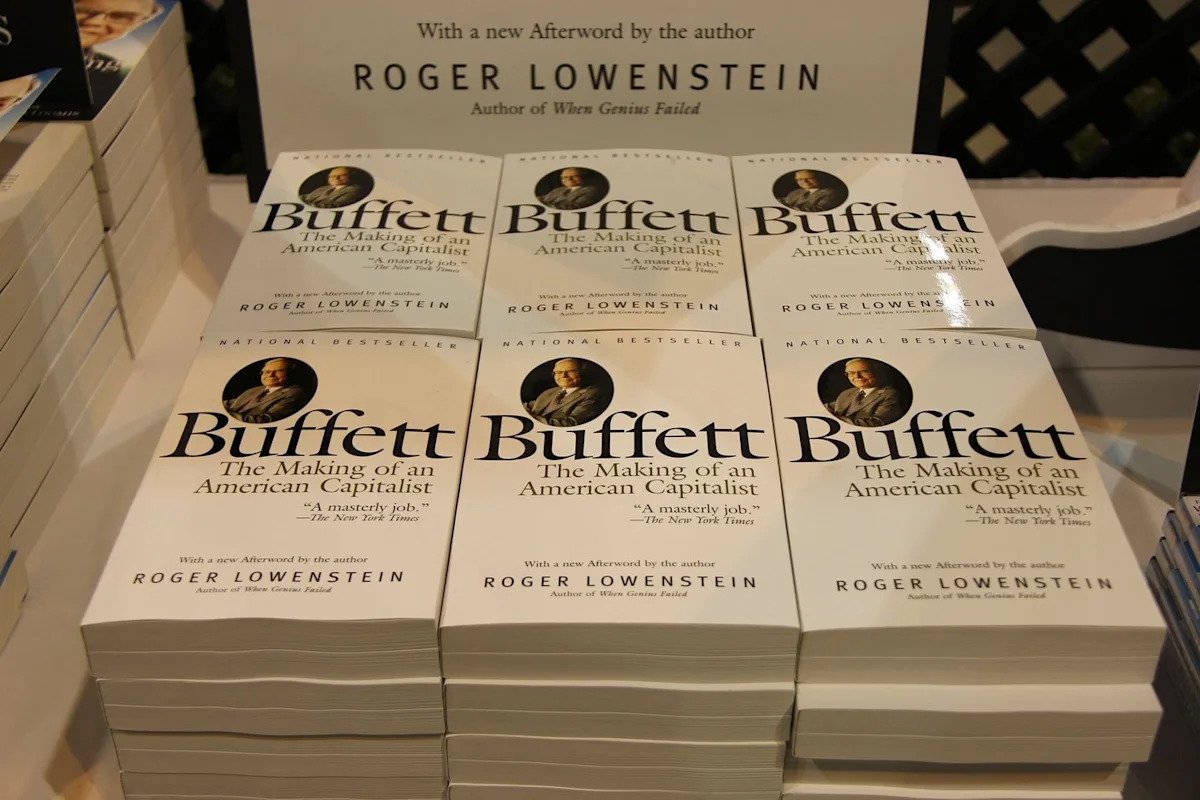
Image source: Getty Images.
2. Insurance segments usually win with higher interest rates
Berkshire is heavily diversified. But at its core sits a portfolio of insurance operations that generate investable cash. When rates rise, insurance operators typically generate more cash to invest — a positive result for Berkshire shareholders.
“Modestly rising interest rates are generally positive for the insurance industry,” concludes the U.S. Office of Financial Research. “When rates rise at a reasonable pace, portfolio yields also rise. With these new, higher-yielding corporate and other bond purchases, insurers’ investment earnings also increase.”
Again, Berkshire is so diversified that the benefits its insurance operations experience from higher interest rates may be offset elsewhere. But investors can generally expect better interest income from the company’s insurance businesses — similar to what Berkshire will experience for its cash position.