Bailey Pemberton
3 min read
-
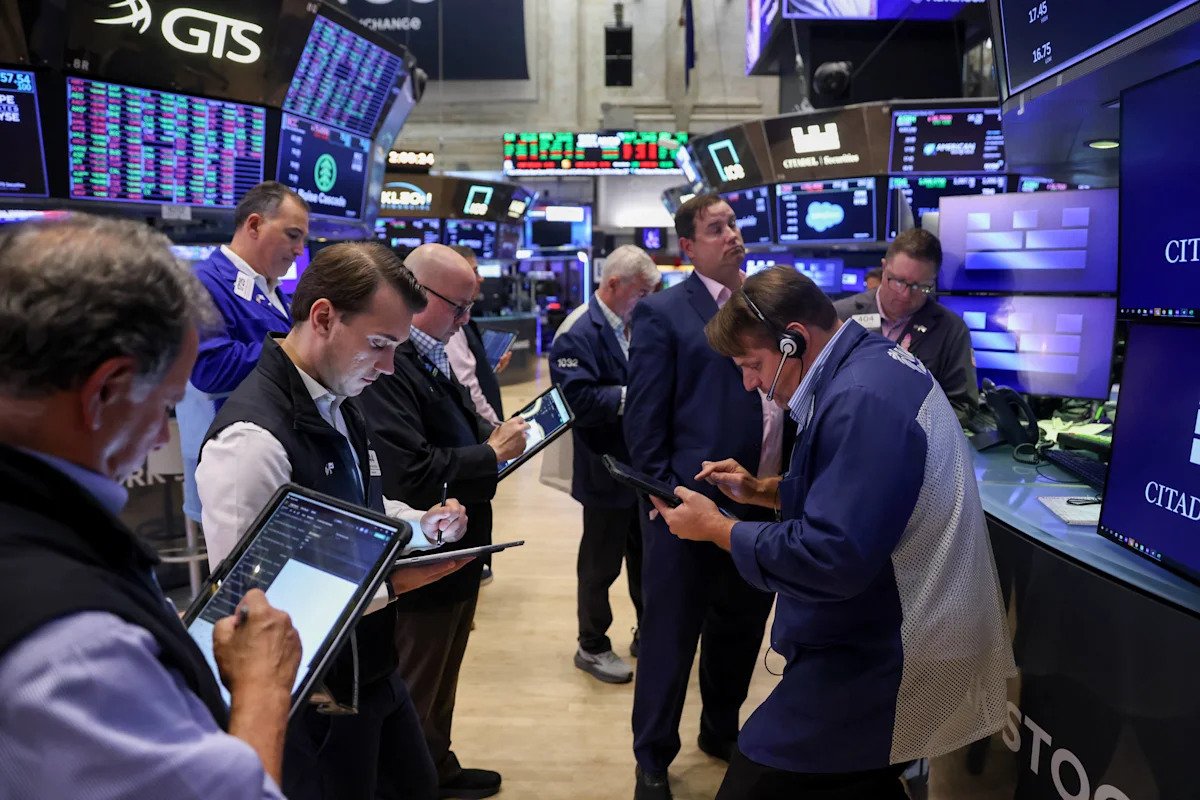
Intercontinental Exchange (NYSE: ICE) announced that the New York Stock Exchange and the Korea Exchange have signed a memorandum of understanding to deepen market collaboration.
-
The MOU focuses on cross border business opportunities, new product development and information sharing between the two exchanges.
-
The agreement also targets improvements in trading infrastructure and market operations across both markets.
This type of exchange level partnership is only one angle on how markets are being reshaped by new technology. There are many other stocks exposed to similar themes that are worth a closer look through 55 AI infrastructure stocks.

Intercontinental Exchange, a US based capital markets company with a market cap of about $92.4b, supplies trading technology and data services to financial institutions and public sector clients across major regions. This reach gives it multiple touchpoints with exchanges that pursue closer cross border links.
How the NYSE–Korea Exchange MOU feeds into the Intercontinental Exchange Narrative
The Intercontinental Exchange Narrative is built on the idea that owning and connecting electronic trading, data and workflow platforms worldwide can support recurring revenues as markets keep digitising. This cross border MOU between NYSE and Korea Exchange plugs directly into that global infrastructure theme for Intercontinental Exchange.
“The continued expansion and integration of ICE’s global electronic trading platforms across asset classes including record energy, interest rate, and equity contract volumes suggests ongoing benefits from digitization and greater market electronification…”
Read the full Intercontinental Exchange narrative to see the case behind these numbers.
This agreement reinforces the part of the Intercontinental Exchange story that leans on global connectivity, data demand and operating leverage from higher electronic activity. Linking NYSE more closely with Korea Exchange aligns with the Narrative’s focus on integrated platforms across regions and asset classes. This is particularly relevant given that Intercontinental Exchange has recently reported higher average daily volumes and open interest across futures markets.
The unresolved piece is whether closer links to another exchange actually translate into durable economics once competition and regulation are factored in. Analysts have already flagged rising tech spend and new trading platforms as risks, and deeper collaboration with Korea Exchange does not by itself answer how Intercontinental Exchange will protect pricing power against rivals such as CME Group and Nasdaq.