The S&P 500 (^GSPC +0.00%) has been hitting record highs, and its valuation has been near record highs as well. However, the broader index has stagnated over the past two weeks, and as of this writing, it’s down 3% in June. There are a lot of things going on in the markets right now, including the Federal Reserve’s recent decision to maintain interest rates and Space Exploration Technologies‘ (SpaceX) initial public offering (IPO).
Is the market finally responding to negative drivers? And what should investors do?
It can’t go up forever
Investors have been enjoying a fabulous bull market for the past three and a half years, and as artificial intelligence (AI) continues to thrive, these are heady times. A stock market melt-up happens when investors are willing to pay for distant earnings and do not penalize these companies for massive capital expenditure outflows in the short run, thereby building up market multiples.
However, investors should never lose sight of one of the market’s most critical laws: It can’t go up forever. There will always be corrections and crashes, and overconfidence is a recipe for failure.

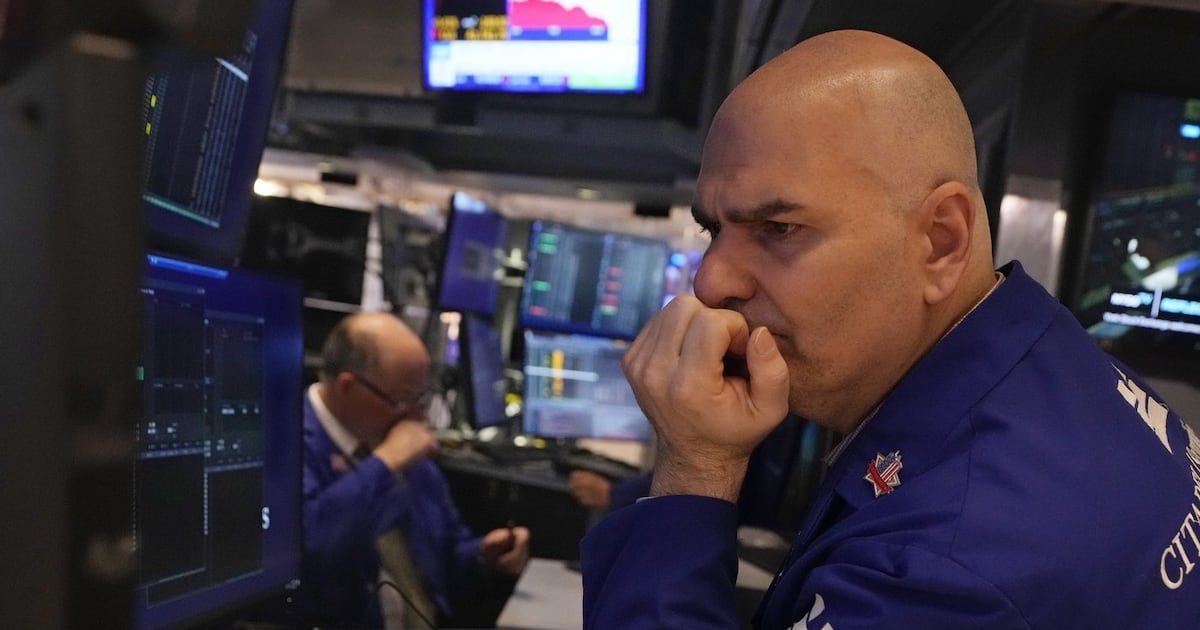
Image source: Getty Images.
I don’t mean to sound harsh, and I don’t know more than anyone else about when things might turn sour. But there are definitely signs that something is coming, and no one should turn a blind eye to it.
The S&P 500 is trading at its second-highest valuation ever; the last time this happened was followed by three consecutive years of market losses.
Ongoing high interest rates and stubborn inflation are making it harder for consumers to spend, and some companies are starting to feel the impact. And more money is going to AI companies, while the rest of the economy may be struggling.
At some point, the market needs a reset. It may not happen until too much money is in AI instead of the broader economy, or it may happen sooner. There’s always the chance, though, that the market works itself out before an inevitable crash and keeps climbing higher in the short term.
Stay calm
The truth is, even though the signs are there, investors should be prepared for any eventuality at all times. And if you’re not, now is the time to set that straight.
So what should you do now? It’s actually pretty simple: Make sure you have a diversified portfolio of about 50 stocks to minimize risk while driving gains. Diversifying means that you have a wide array of stocks in classes and categories that include growth stocks, which do well in thriving bull markets like today’s, as well as safe stocks, which protect your portfolio under adverse circumstances.
It’s key to focus on quality investments rather than chase the next big hype. If you do have a high risk tolerance, make sure your investments are spread out to reduce risk, and balance the higher-risk stocks with some very secure ones.
The next part is the hard part: staying in the market when things go sour. It’s always bounced back to hit new highs, and it could take a short time or a long one.
Since 2000, when it hit the record CAPE ratio and posted three years of losses, the S&P 500 has gained 400%. Think about what it can do over the next 26 years.