The Korean and U.S. stock markets are increasingly moving lockstep, and Jim Cramer is starting to worry.
On July 28, the “Mad Money” host explained on X that the growing relationship between the Korea Composite Stock Price Index, or KOSPI, and the U.S. market could be an “underrated reason for tech under-performance. Nightmare addition to our markets.”
Must Read
-
Jeff Bezos backs a platform that lets anyone invest in rental homes for as little as $100 — 6 ways to build wealth like a landlord without actually being one
-
Dave Ramsey warns nearly 50% of Americans are making 1 big Social Security mistake — here’s what it is and 3 simple steps to fix it ASAP
-
Millionaires under 43 hold only 25% of their wealth in stocks. Here’s where their money is actually going
In the same X post, Cramer linked to a CNBC report explaining how closely the two markets have become tied through the AI hardware trade.
According to data Rayliant shared with CNBC, the 60-day correlation between KOSPI and the tech-heavy Nasdaq 100 recently climbed to nearly 0.50. The last time the relationship was this strong was in 2021.
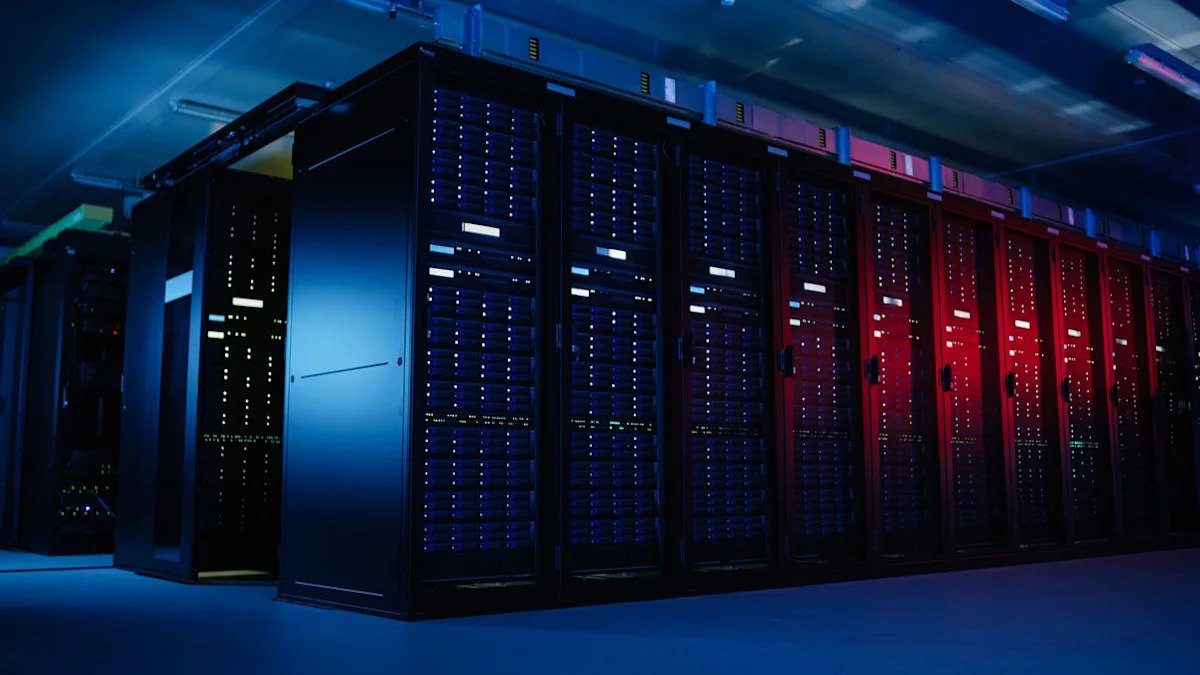
A big reason is KOSPI’s growing dependence on two AI chipmakers: SK Hynix and Samsung. Together, the mega-cap companies now account for roughly 50% of the index, leaving it especially vulnerable to swings in AI-related sentiment.
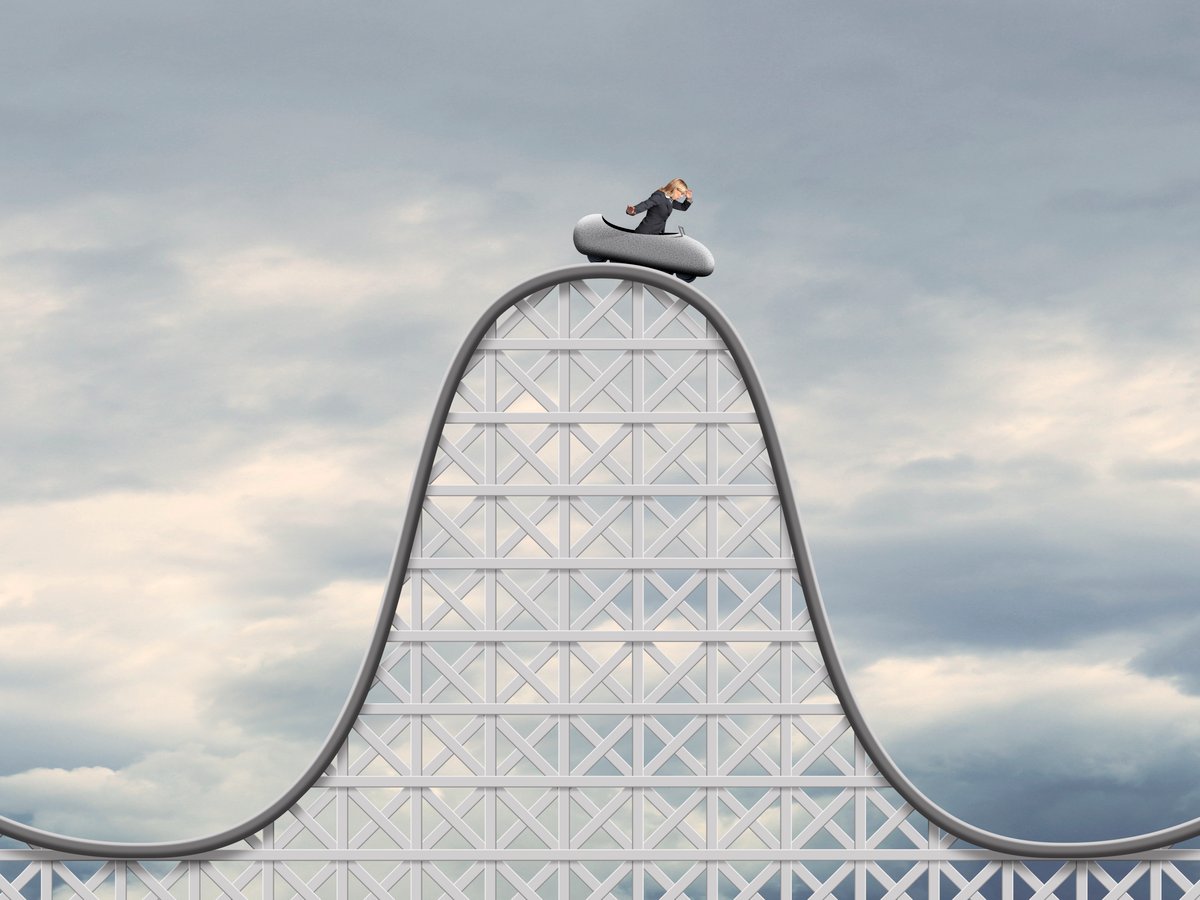
U.S. traders got a firsthand look at that connection after the KOSPI plunged 10.84% during the July 28 trading session, according to Reuters. When U.S. markets opened, the Philadelphia Semiconductor Sector (SOX) fell about 4.5%, while AI hardware names like Micron and Sandisk posted even steeper declines.
Because Seoul’s stock market opens about 13 to 14 hours before New York, weakness in KOSPI has increasingly become an early warning sign for tech-heavy U.S. indexes like the Nasdaq.
As Phillip Wool of Rayliant Global Advisors told CNBC, “The fortunes of U.S. tech stocks and Korean tech stocks are increasingly being driven by a common underlying factor, which is sentiment toward the AI hardware trade.”
By the close of trading on July 28, the KOSPI had fallen to about 6,023, down sharply from its June high of roughly 9,114.
Leverage leads to larger AI losses
It’s not just the growing reliance on AI capital spending that has investors worried about KOSPI’s influence. As South Korea’s stock market surged alongside the hyperscaler buildout, it also attracted a wave of leverage traders looking to amplify their returns.
CNBC reported that Korean investors have poured $9.4 billion into single-stock leveraged ETFs since they debuted in May. While those funds helped boost gains in companies like Samsung and SK Hynix, they’re also intensifying losses as the market tumbles.