Retirees relying on monthly fund distributions often build their budgets around expected payments, making unexpected changes difficult to manage. That challenge became clear in October 2026 when two Nasdaq income funds moved in opposite directions.
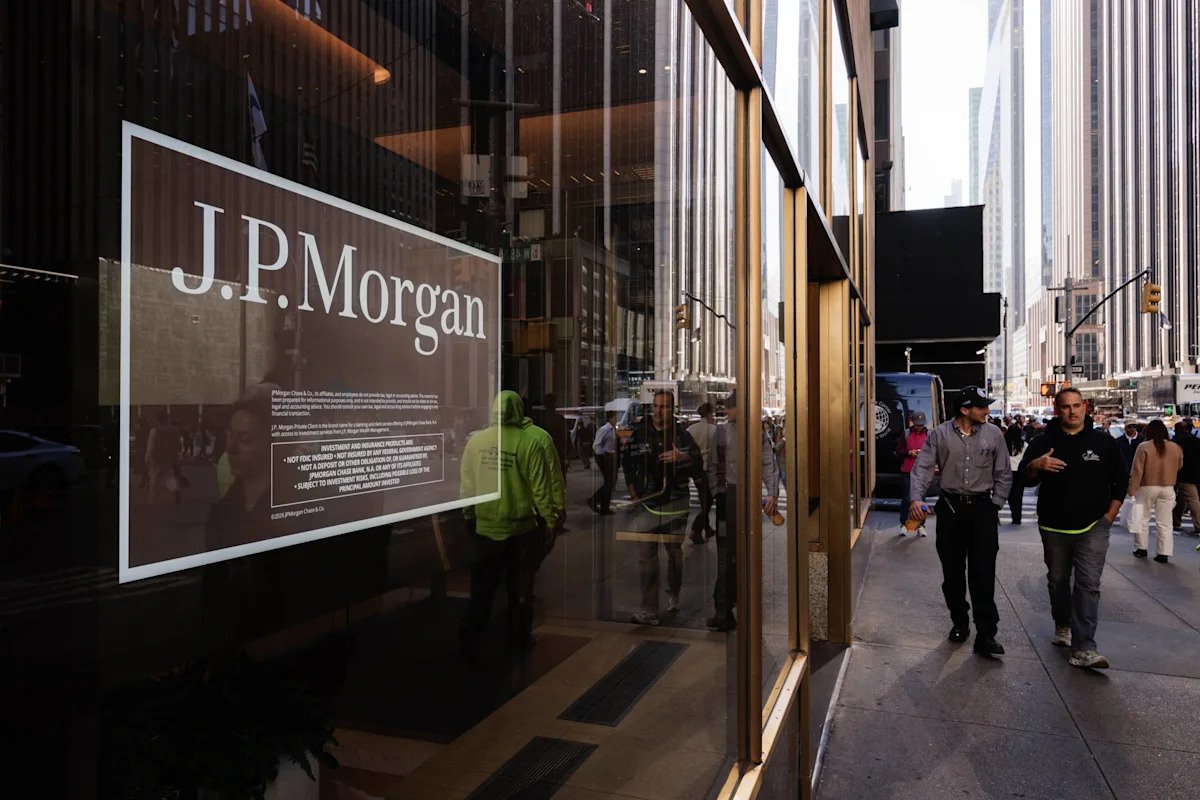
JPMorgan Asset Management reduced JPMorgan Nasdaq Equity Premium Income ETF (JEPQ) October 2026 distribution to $0.56687 per share, down from $0.68255 in September 2026, cutting monthly income by almost 17%.
For an investor previously collecting around $600 monthly from JEPQ, the reduction meant receiving roughly $100 less in October. That difference can strain a retirement budget when fixed expenses like groceries and utilities stay the same.
However, JEPQ was not the only fund making headlines.
Goldman Sachs’ Nasdaq-100 Premium Income ETF (GPIQ) increased its October distribution, creating a contrast that raises questions about which fund offers more dependable monthly income.
Also Read: JEPQ handed retirees its biggest payout of 2026
How lower volatility affected JEPQ’s October payout
JEPQ holds an actively managed portfolio of Nasdaq-100 stocks selected through JPMorgan’s fundamental data-science investment approach, with the fund seeking a lower volatility level than the full index.
It generates monthly cash flows by investing up to 20% of net assets in equity-linked notes (ELNs), which have short call positions embedded. The ELN structure lets the fund collect option premiums without directly writing calls on its stock positions.
More Exchange Traded Funds:
Option premiums fluctuate with market volatility, so calmer trading stretches typically shrink the cash the fund collects from writing calls each month. That direct link means payouts tend to compress when the Nasdaq-100 trades smoothly for extended periods.
Morningstar’s covered-call research has flagged option-premium income as tied to market volatility, which constantly changes, making Nasdaq-100 volatility readings central to JEPQ’s monthly cash output.
October’s steadier Nasdaq-100 trading compressed the premiums JEPQ could lock in through ELN contracts, leaving the fund with less cash to distribute than in September 2026.
The payout math responds quickly to those premium shifts, so a single calm month can reset the distribution baseline for the following payment.
JEPQ’s trailing 12-month distribution rate still sits near double digits as of October 2026, which cushions some of the one-month sting for long-term holders.