What’s happening with oil? Here are the latest headlines:
- Oil prices drop as US-Iran peace talks progress, Strait of Hormuz reopening eyed
- Analysts caution oil flows may take months to normalize even if deal is reached
- Some tankers have passed through strait, shipping data shows
Oil prices fell nearly 7% on Monday as optimism grew that the United States and Iran were moving closer to a peace deal that would reopen the Strait of Hormuz, although Washington and Tehran downplayed hopes for an imminent breakthrough.
Brent crude futures fell $7.24, or almost 7%, to $96.30 a barrel, and US West Texas Intermediate futures fell $6.30, or 6.5%, to $90.88.
(All figures in this post are in US dollars).
Trading volumes were light due to the US Memorial Day holiday.
Iran’s top negotiator and its foreign minister were in Doha for talks with Qatar’s prime minister on a potential deal with the US to end the three-month-old war, an official briefed on the visit said Monday.
Both sides said they had made progress on a memorandum of understanding that would halt the war and give negotiators 60 days to reach a final deal.
‘Get some oil moving’
“Even though it’s not done, there seems to be some hope that we will start to get some oil moving through the Strait of Hormuz,” said Phil Flynn, senior analyst with Price Futures Group.
But Rory Johnston, founder of the Commodity Context newsletter, sounded a note of caution.
“We’ve routinely gotten close and then collapsed on the details multiple times over the past couple of months, and Hormuz remains closed,” Johnston said.
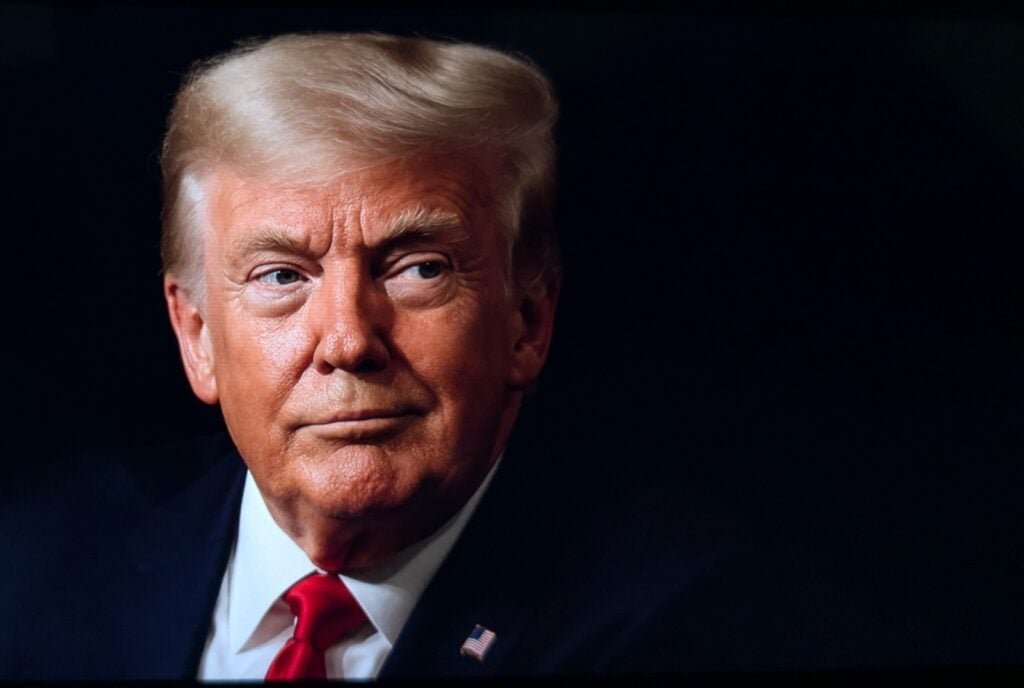
In a lengthy Truth Social post on Monday, US President Donald Trump said talks with Iran were going “nicely,” but warned of fresh attacks if they failed.
He urged more Arab and Muslim states to sign up to the Abraham Accords, which were brokered during Trump’s first term in office and aim to normalise ties between Arab and other Muslim-majority states and Israel.
“That could mean a significant reduction of risk premium in the Middle East, especially if a deal with Iran can be done and Iran gives up their nuclear material,” Flynn said.
Iran’s foreign ministry said on Monday it was negotiating an end to the war and was not currently discussing nuclear issues.
Even if a peace deal is reached, analysts expect a return to normal oil flows through the strait will take months, while damaged oil and gas facilities are repaired.
“The underlying supply shortfall of 10-11 (million barrels per day) of crude oil does not go away immediately and will see markets still drawing inventories until Middle Eastern crude production is back online, which is months away,” said Sparta Commodities analyst June Goh.
“We continue to believe that the key factors for the oil market to watch should be the physical oil flows, and so far, flows through the strait remain restricted,” said UBS analyst Giovanni Staunovo.
Ship-tracking data showed that three liquefied natural gas tankers passed through the strait in recent days, heading to Pakistan, China and India, as well as a supertanker carrying Iraqi crude to China after being stranded for nearly three months.
– Amanda Stephenson of Reuters News