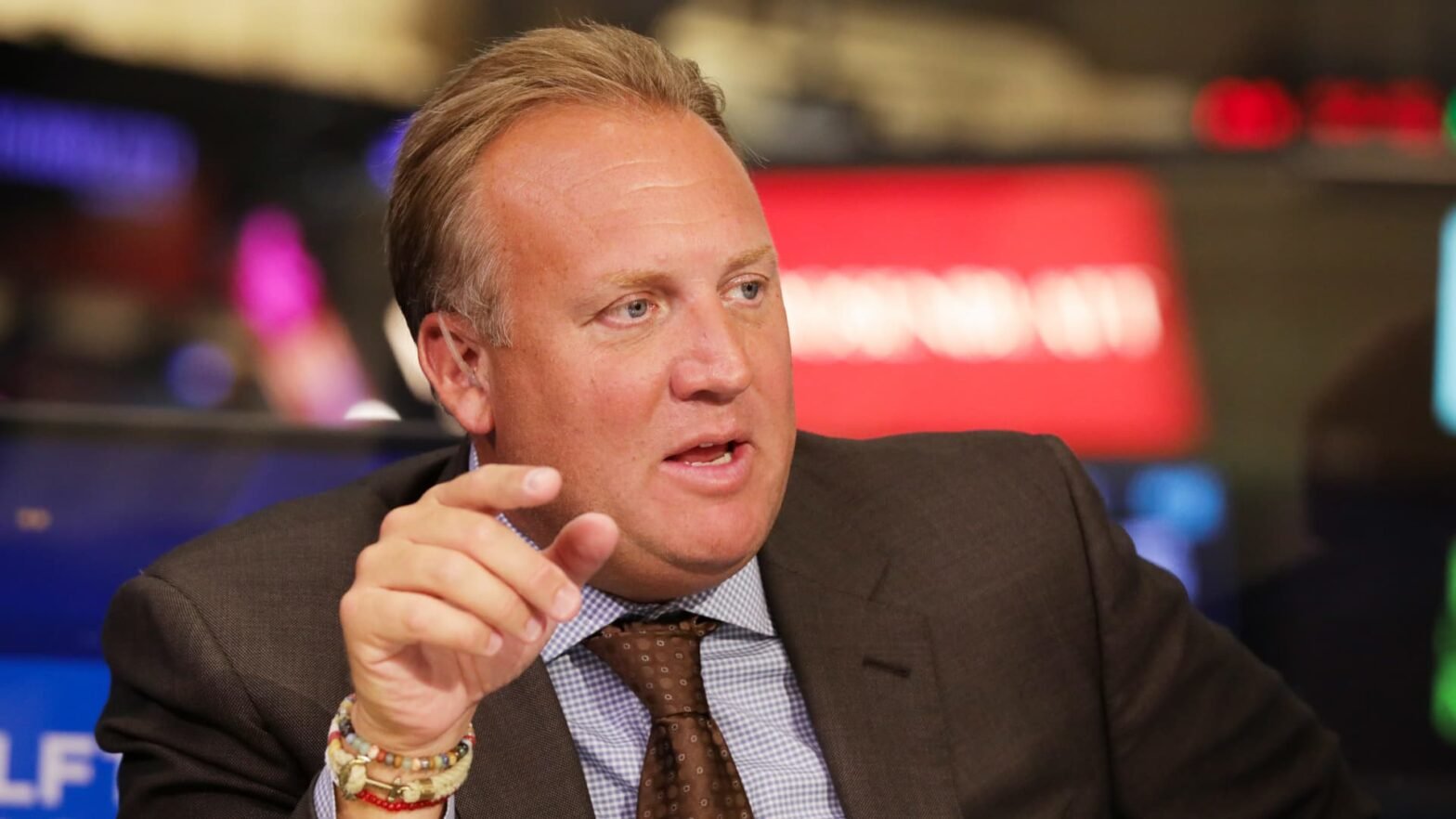
 Steve Ehrlich, vice president, business and operations at Novalis Innovative Flooring, has decades of experience in the flooring industry, spanning direct retail, distribution and, of course, manufacturing.
FCNews managing editor Megan Salzano-Birch sat down with Ehrlich to share some of the vast knowledge he’s gleaned over the years and discuss the resilient category, including its history, how that’s led to its present and the innovation poised in its future. Ehrlich also speaks to hardship at retail, how suppliers can help and offers sound advice for both veteran and novice members of the flooring industry.
Following are excerpts of that conversation.
You’ve spent decades in the resilient flooring business. What’s the biggest change you’ve seen in the category over the course of your career?
The biggest change is that resilient flooring has gone from being viewed as a value option to becoming a true design and performance leader.
Earlier in my career, resilient was often chosen because it was practical. In residential, it was usually an entry-level solution. In commercial, it was about durability and price. Today, that conversation is completely different. Consumers, designers and specifiers are choosing resilient because they want the look, the performance, the waterproof benefits, the ease of maintenance and the overall value it delivers.
It’s no longer just an alternative to other surfaces. In many applications, it has become the preferred surface. That is a major shift, and it has been exciting to watch.
If you had to identify the moments that fundamentally changed resilient flooring, what would they be and why?
The first was the introduction of luxury vinyl tile in the ‘80s. LVT changed the way people thought about resilient flooring. It raised the design expectations and opened the category up in both residential and commercial spaces.
The second was rigid core, first WPC and then SPC. Those technologies solved a lot of challenges around installation, performance and everyday use. They also made resilient flooring accessible to a much broader customer base.
The third is the industry’s focus on sustainability, product transparency and indoor air quality. Consumers and commercial specifiers are asking better questions today. They want to know what is in the product, how it performs and whether it meets higher environmental standards. That is where companies like Novalis have really helped move the conversation forward, because product responsibility and long-term performance have been part of the company’s DNA for a long time.
How would you describe the state of the resilient category today compared to five years ago? Ten years ago?
Compared to five years ago, the category is more competitive, more global and much more sophisticated. Product quality has improved dramatically, and retailers have more choices than ever before.
Compared to ten years ago, it is almost a different industry. Rigid core was not what it is today. A lot of people who spent their careers in wood, laminate or tile are now in resilient, and if you look back, it is pretty incredible how quickly that happened.
Design realism, installation systems, waterproof performance and manufacturing capabilities have all advanced in a major way. Resilient flooring has become one of the most influential categories in the flooring business. It continues to gain share in both residential and commercial markets.
The scale has changed too. Resilient was once roughly a two-billion-dollar category. Today, it is closer to an eight-billion-dollar category and has reshaped the competitive landscape. It has also changed how some of the biggest flooring companies operate, moving them from traditional manufacturing models into sourcing models. That tells you how much influence this category has had.
Has resilient reached maturity, or do you believe the category still has significant runway for growth?
I still believe there is a lot of runway ahead. Penetration is much higher today, but there are still major opportunities in commercial, multifamily, healthcare, education and hospitality. Continued innovation in sustainability, acoustics, installation systems and design will open new doors. The category may be maturing, but it is definitely not finished evolving. It has become a global category, and that global momentum will continue to fuel growth.
The subcategory has experienced tremendous growth, but also some growing pains. What lessons should the industry take away from the SPC boom/fallout?
The biggest lesson is that sustainable growth requires discipline. During the SPC boom, demand moved so quickly that a lot of companies focused on volume and speed to market. In some cases, quality, differentiation and brand value took a back seat. The industry learned very quickly that not all SPC products are created equal.
Construction quality matters. Raw materials matter. Dimensional stability, acoustics and overall performance matter. Long-term success comes from delivering consistent value, not just being the lowest-cost option.
The industry also needs to hold global manufacturers to higher standards. The premier manufacturers are the ones investing every day in quality, processes and consistency. That is what built this category, and that is what will protect it going forward.
What separates a good resilient product from a great resilient product today?
A good product meets expectations. A great product exceeds them and creates a better experience for everyone involved. That means authentic design, strong durability, easy installation, excellent dimensional stability, environmental responsibility and reliable supply chain support. Great products help retailers sell with confidence and help consumers feel good about their purchase years after the floor is installed.
A great floor should not just be a “me too” item in the room. It should help define the room. That is the difference.
How have consumer expectations changed when it comes to resilient flooring design?
Consumers are much more design-conscious than they were even five years ago. They are more informed, and they expect flooring to deliver both aesthetics and performance. They want resilient flooring that looks and feels close to natural materials like hardwood and stone. They want realistic visuals, authentic textures and detailed embossing. In many cases, the best LVT visuals can rival natural products, and you are seeing that in higher-end residential and commercial projects.
The design possibilities have also changed. Herringbone, chevron, premium estate-sized formats, rectified porcelain looks, and advanced embossing have raised the standard for the category.
Because of all these factors, consumers no longer see resilient as a compromise. They expect premium design, waterproof performance, durability, easy maintenance and long-term value. That combination is what turned resilient into a preferred flooring solution, not just an alternative.
What design trends are you watching most closely right now?
I’m watching the continued movement toward natural aesthetics, warmer color palettes and greater texture that closely mimic true natural products. Consumers are gravitating toward authentic wood looks, matte finishes, narrow and wider planks and more natural visual variation. We’re also seeing increased interest in patterns and premium design details that create a more customized appearance.
Where do you see the greatest opportunity for innovation moving forward?
Sustainability is one of the biggest opportunities. Consumers want products with recycled content, lower environmental impact and more transparency. That is only going to become more important.
Beyond sustainability, I see opportunity in acoustics, different gloss levels, coordinated plank and tile visuals, installation advancements and products designed for changing commercial environments. The best innovation will not just be about creating something new. It will be about solving real problems for the customer.
What challenges are independent flooring retailers facing today that suppliers need to better understand?
Independent retailers are dealing with a lot right now. Labor shortages, rising operating costs and margin pressure are not occasional challenges anymore. They are part of everyday business.
Finding qualified installers is still difficult. Finding exceptional sales professionals is difficult. At the same time, freight, inflation, big-box pricing and online competition are all putting pressure on profitability. Retailers are being asked to deliver a high level of service with limited resources.
The consumer has changed too. Shoppers are walking into stores more informed than ever. They have already been online, read reviews, compared prices and looked at product claims before they ever step into the showroom. So the retailer’s job has changed. It is less about starting from scratch and more about cutting through the noise, showing the customer what really matters and helping them understand the value behind the product. That is where strong retailers can really separate themselves, but it’s also why retailers need more than products from suppliers. They need real partners. Training, merchandising, marketing support, lead generation, technology and clear product storytelling all matter. At Novalis, we understand that our job is not just to provide flooring. It is to help our customers compete, sell with confidence and build long-term relationships with their customers.
What advice would you give retailers trying to navigate an increasingly crowded resilient flooring market?
Do not compete only on price. That is a hard road to win. Retailers need to create a clear point of differentiation. That might be expertise in waterproof flooring, design consultation, installation quality, sustainability or commercial flooring solutions. Whatever it is, you need to give the customer a reason to choose you beyond the lowest price.
Consumers are overwhelmed by the number of LVT, SPC, WPC and hybrid options in the market. That makes knowledgeable salespeople and a simplified shopping experience more valuable than ever.
Retailers also need to be selective. You do not have to show everything. In fact, trying to show everything can make the process harder for the customer. A curated assortment of trusted products, supported by strong merchandising and clear storytelling, can help customers make decisions with confidence.
Digital tools matter too. Online reviews, social media, visualization technology and follow-up processes can separate a good retailer from a great one. The most successful dealers today are combining product expertise with technology, operational efficiency and exceptional service to build a long-term customer relationship rather than chasing every sale on price alone.
You’ve worked with many retailers, distributors and manufacturers throughout your career. What traits do the most successful leaders have in common?
The most successful leaders share several traits: adaptability, curiosity, resilience and a willingness to invest in relationships.
They understand that markets change, technologies evolve and consumer preferences shift. Rather than resisting change, they embrace it and position their organizations to lead through it.
They’re also willing to challenge the way things have always been done. They look for better ways to sell, operate and serve their customers. They know change is inevitable, but they also understand that every situation requires a different approach. The key is knowing how to adapt in a way that benefits both the customer and the company.
What excites you most about the future of resilient flooring?
What excites me most is that this industry keeps reinventing itself. Just when you think you have seen everything, you find a new way to develop a new product, a new technology or a new way to go to market. The combination of design, technology and sustainability is creating products that would have been hard to imagine twenty years ago.
The category continues to attract investment, talent and innovation, and that is a great sign for the future.
AI is also going to raise the bar, just like it is doing in every other business sector. The companies that embrace it will move faster and make better decisions. The ones that ignore it will fall behind very quickly.
What concerns you most?
As the category matures and more manufacturers introduce products with similar visuals, performance characteristics and installation systems, it becomes increasingly difficult for consumers and specifiers to distinguish between brands. When products are perceived as interchangeable, purchasing decisions often shift toward price alone, creating margin pressure throughout the value chain and reducing the industry’s ability to invest in long-term growth and innovation.
The LVT category has experienced tremendous growth because of its combination of design flexibility, durability, ease of installation and value. However, sustaining that growth will require more than simply offering another wood-look or stone-look floor. Manufacturers must continue to invest in meaningful innovation, whether through enhanced performance, sustainability initiatives, differentiated design, improved installation technologies or stronger brand positioning. Consumers are increasingly looking for products that deliver unique value beyond price alone.
I also believe the industry must avoid a race to the bottom on pricing. Excessive price competition can erode profitability, reduce investment in product development and ultimately diminish the consumer experience. Brands that successfully create clear differentiation, build trust and communicate a compelling value proposition will be best positioned to maintain healthy growth and protect margins in an increasingly crowded marketplace.
Ultimately, the future success of the LVT category will depend on the industry’s ability to balance scale and affordability with innovation, branding and product leadership. Those factors will be critical to ensuring the category remains dynamic, profitable and relevant in the years ahead.
After everything you’ve seen in this industry, what’s one piece of advice you would give retailers, manufacturers and the next generation of flooring leaders?
Advice for retailers: Never lose sight of the customer!
In flooring, products, technology and marketing tools will continue to evolve, but the customer experience remains the ultimate differentiator. The most successful retailers are not necessarily those with the largest showrooms or the lowest prices. They are the ones that respond quickly, communicate clearly, manage expectations and deliver a seamless experience from the first conversation through installation. Responsiveness, execution and customer satisfaction are key drivers of growth.
Remember that flooring is a high-involvement purchase that goes directly into someone’s home. Customers may forget the exact product they bought, but they will remember how they were treated and whether you delivered on your promises.
Advice for manufacturers: Focus on helping your customers succeed, not just selling products. Real leadership is not only about product development. It is about training, merchandising, technology, support and partnership. The strongest manufacturers understand that when their customers win, everyone in the channel benefits. That is a big part of how Novalis approaches the business. Partnership has to be more than a word.
Advice for the next generation of flooring leaders: Build relationships first and never stop learning. The flooring industry will look different in ten years than it does today. Technology, digital marketing, AI, sustainability initiatives and new product categories will reshape how business is conducted. However, one thing is unlikely to change: people still want to do business with people they trust.
The next generation should highly embrace innovation while remembering that flooring remains a relationship-driven business. Whether you’re leading a retail organization, manufacturing operation or distribution network, success comes from listening, solving problems and creating value for customers and partners. Strong relationships remain one of the industry’s most durable competitive advantages.