Wednesday, Oct. 28, 2026 could bring some big swings for the stock market. That’s because the Federal Reserve’s Open Market Committee (FOMC) announces whether interest rates will move higher, lower, or be held steady.
Rate announcements tend to spark a burst of trading activity across the market regardless of the circumstances, but with bond yields on the rise and a significant portion of the S&P 500 (^GSPC +0.59%) concentrated in artificial intelligence (AI) — an industry that is now, more than ever, leaning on debt markets, the Fed’s decision carries even more weight than usual.
Here’s what investors should be watching.
Today’s Change
Index Level
7,722.25
How the Fed balances inflation and employment
The Fed has two main jobs: keep prices stable (ie, fight inflation) and drive maximum employment. This is its “dual mandate.” The two goals generally pull in different directions: higher interest rates slow inflation by making borrowing and spending more expensive, but that tends to curb growth and keep businesses from hiring. Lower rates tend to make borrowing cheaper, leading to expansion, more employment, and higher wages. But all that money flowing through the system leads to inflation.
Weak hiring meets rising inflation
Here’s what the Fed has to go on at this point.
While unemployment is low (4.2%), the latest jobs report gives officials a reason to be somewhat cautious about hiking rates. The economy added just 29,000 jobs in September. Hiring has generally been sluggish for some time, averaging 45,000 jobs a month over the last year.
At the same time, the other side of the equation is moving in the wrong direction: the Consumer Price Index (CPI) rose 3.7% in September from a year earlier. That was up from 3.4% in August.
The Personal Consumption Expenditures price index (PCE) — generally the inflation metric the Fed leans on most — showed prices rising 3.4% annually in August. The September reading actually comes out on Thursday, a day after the rate decision. Keep in mind, the Fed’s “target” for inflation is 2%.

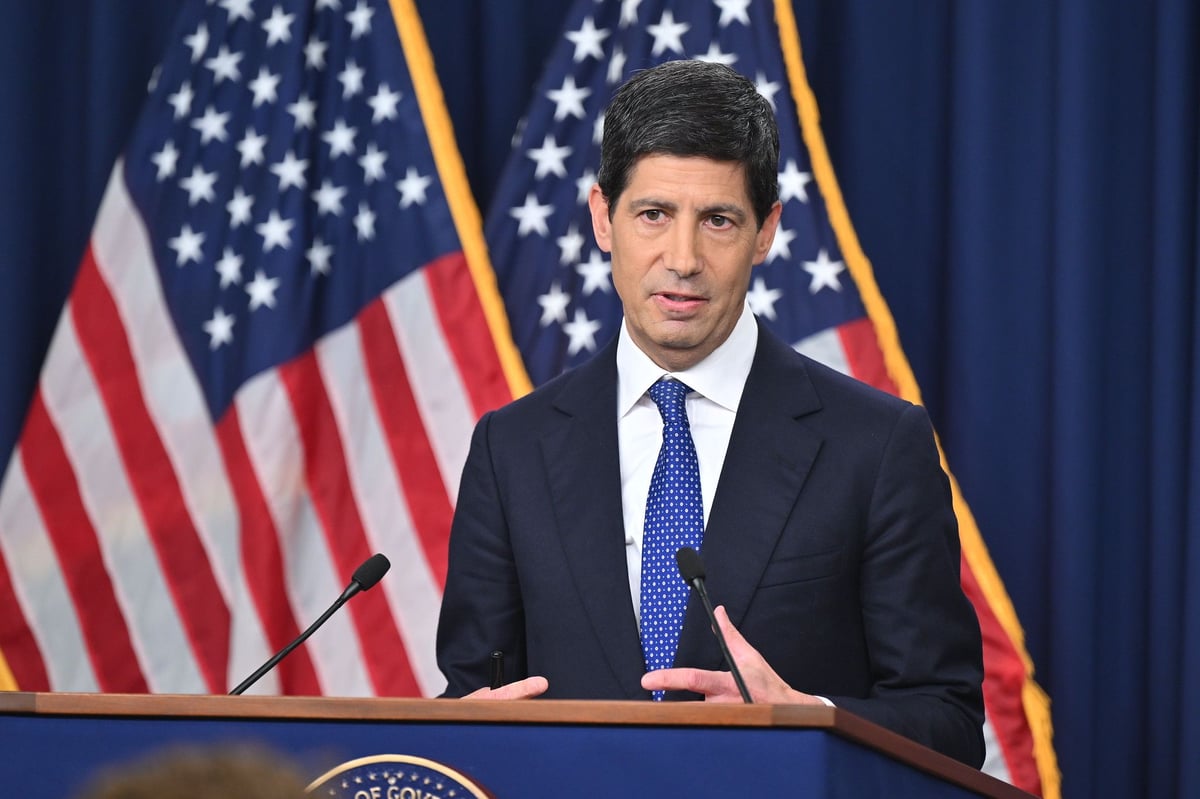
Image source: Getty Images.
Combined, it presents a somewhat mixed picture, with rising inflation and a less-than-stellar job market. That puts the Fed in a tough spot.
Will the Fed look through higher gas prices?
The biggest single factor driving inflation is energy. Gasoline prices jumped more than 9% in September and were responsible for about half of the monthly PCI increase.
The big question for the Fed is whether to “look through” the current inflation. If you remove the spike in gas prices, the recent readings look much tamer, and because the current spike in gas prices is largely being driven by the War in Iran, it’s possible that the inflation could be “transitory” — that is, it could cool down without the Fed’s help if the war is brought to a close.
At the same time, the Fed may believe hiking rates would have little effect on gas prices given the reason they are elevated.
But if the current dynamic holds, those elevated gas prices could bleed into the rest of the economy and turn transitory inflation into something more systemic. That’s basically the argument New York Fed President John Williams made in September.
Why the Fed’s outlook matters for AI stocks
The Fed is expected to leave rates unchanged tomorrow, choosing another month of wait-and-see. I don’t expect a surprise here. But what investors should pay attention to is any signaling as to where rates might move in the future. If it signals more hikes are coming — I think they will — it could have a real impact on the AI trade.
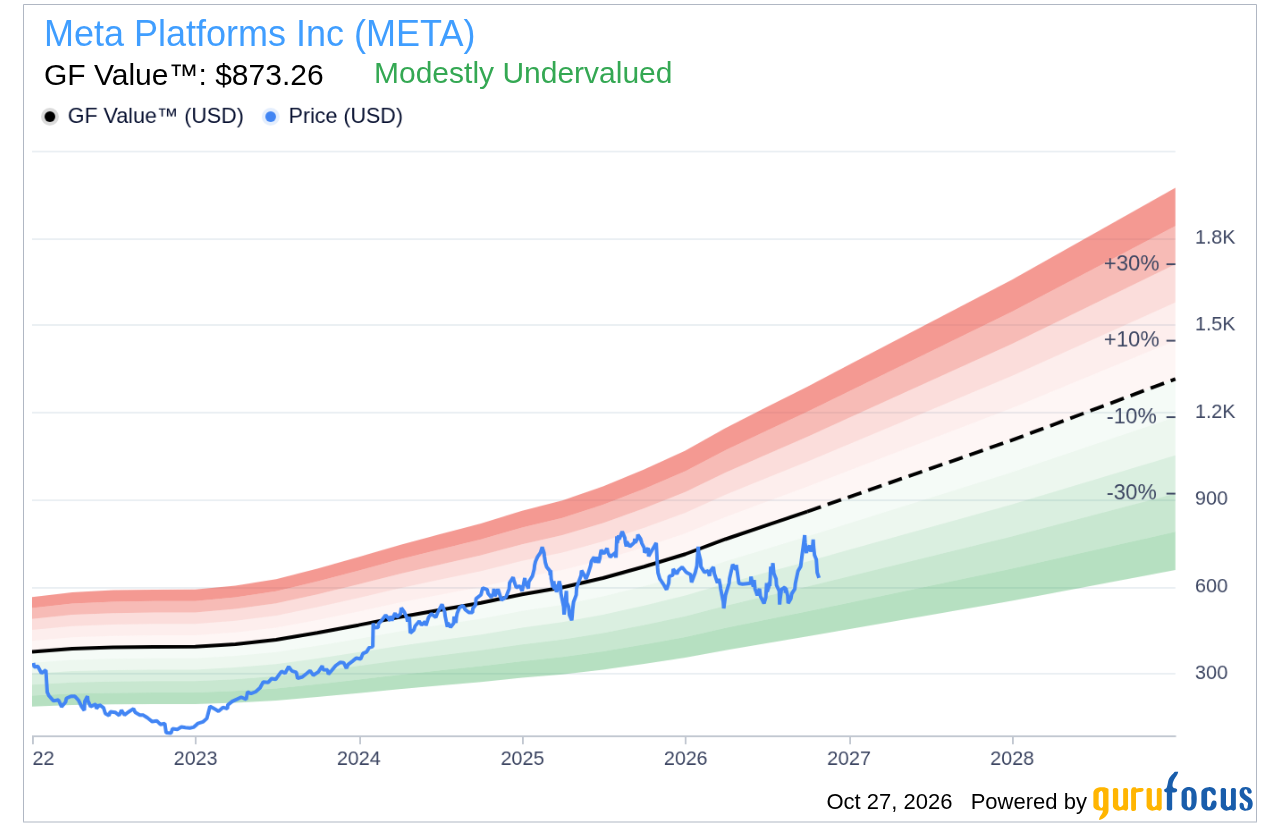
Building data centers and filling them with chips is expensive, and companies — even the massive hyperscalers like Meta and Amazon — are increasingly borrowing to pay for it. Higher financing costs make those projects harder to justify and could lead to a pullback in spending if rates move high enough.
The rate announcement is set for Oct. 28 at 2 p.m. ET and will be followed by a press conference at 2:30 p.m.