ABILENE, Texas — The stock market has been on a bit of a seesaw lately with sharp ups and downs leaving some investors on edge.
“Volatility is like a roller coaster,” said Jody Jones, an associate professor of finance at Abilene Christian University. “Some people really like riding it, and some people, it makes them sick. Any time that the market shuts down, people grab hold. It’s just like a roller coaster. The same thing happens when it shoots up, but they tend to be happy. In the last two weeks, we’ve seen a lot of ups and downs. It’s because the market doesn’t like uncertainty.”
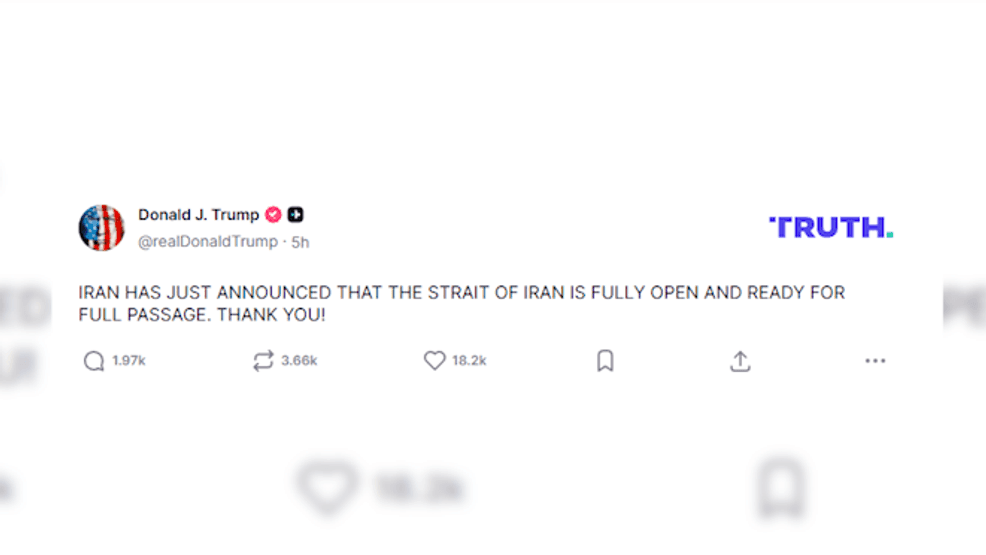
With a temporary ceasefire in place, there are signs things could start leveling out.{ }
RELATED | Iran announces reopening of Strait of Hormuz during Israel-Lebanon ceasefire
Right now, there’s plenty of uncertainty.
Conflict overseas with Iran is impacting everything from gas prices to how quickly goods can move across the globe.
“There’s two big things right now,” Jones said. “The first one is energy price and oil price. If you had talked to me a week ago, we would talk about how expensive gas was. Yesterday, it went down $0.40 a gallon. That’s one part of it, probably the part that’s most tangible to most of us. The other thing is the shipping aspect of it.”
A major pinch point is the Strait of Hormuz. It has slowed down shipping recently, adding even more unknown to the market.
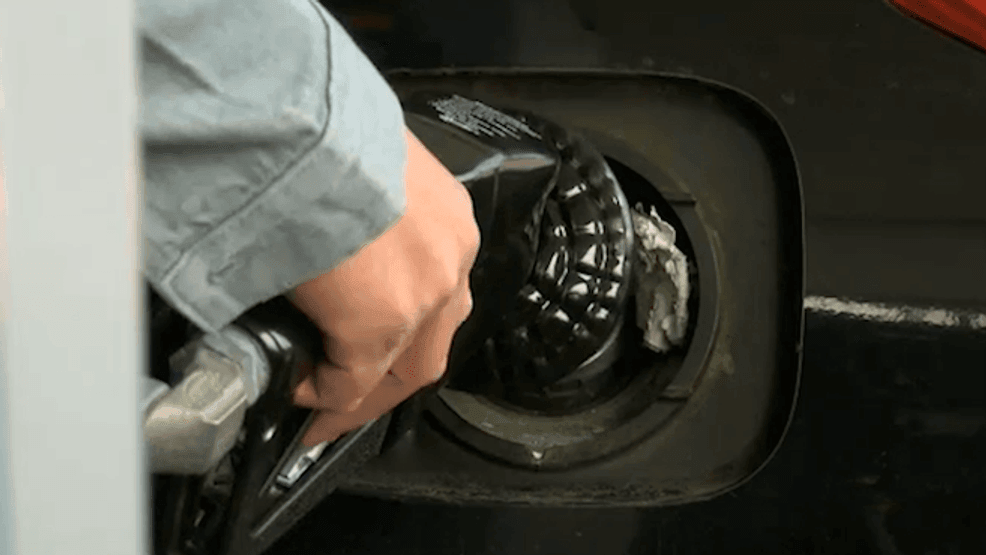
Conflict overseas with Iran is impacting everything from gas prices to how quickly goods can move across the globe. (Sinclair)
However, with a temporary ceasefire in place, there are signs things could start leveling out.
“As long as, commerce is flowing, as long as that’s open, then we can predict things and uncertainty goes down,” Jones said.
RELATED | Trump says gas prices are ‘not very high,’ contradicting data
Still, experts said what matters most is how investors react.
“The biggest mistake that people make is when volatility happens and the market goes down, they sell their assets and then they wait for it to start to go back up,” Jones said. “They buy high and they sell low. The first rule of investing is to buy low and sell high. Fear makes you do things that are irrational.”
In other words, making quick, emotional decisions can do more harm than good.
“Number one is to be patient,” Jones said. “It’s easy to tell people to be patient. It’s much harder just to be patient. The other thing is, if you need someone to walk you through this, then hire a financial advisor that you trust.”
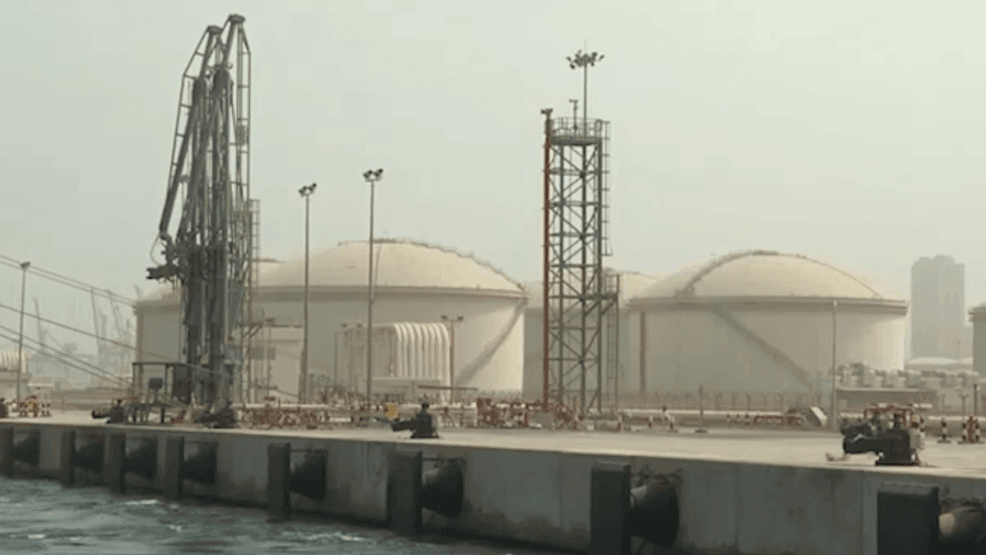
A major pinch point is the Strait of Hormuz. (Sinclair)
Also, having a spending plan, especially for long-term goals, can make those market swings a lot easier to handle.
“You need to know your time horizon and you need to have a plan,” Jones said.
RELATED | Amid world’s focus on Iran, NATO chief says support for Ukraine must not falter
KTXS asked, “How do you ensure your students remain informed about the next steps they should take as they plan for their future in investing?”
“The biggest thing I do for that is I have a group of students who manage almost $5 million of the university’s endowment,” Jones said. “In class this morning, they’re looking at investing, actually in AI infrastructure. They’re hands on and it’s real money, and they make all the trades.”
Experts said while the stock market seems unpredictable at times, it’s important to stay calm and not make split-second decisions when thinking about your long-term goals.